
3 min read
PROTEIN IS ALL THE RAGE these days. With many Americans looking to boost their intake, fitness and wellness brands are responding with an array of high-protein products. With millions of “high protein” posts on TikTok, what does this term actually signify?
“There’s no universally accepted definition,” says Michael Ormsbee, PhD, director of the Institute of Sports Sciences and Medicine at Florida State University. Despite this, the high-protein craze finds some credibility in science.
Recent scientific studies have established a link between higher-than-Recommended Daily Allowance (RDA) protein consumption and various health benefits, including weight management, muscle maintenance, appetite control, and enhanced bone health, explains John Carbone, PhD, RD, a professor of dietetics and human nutrition at Eastern Michigan University. Ormsbee adds that protein can enhance body composition, manage hunger, and boost metabolism.
If you’re unsure about the meaning of “high protein” and whether to purchase high-protein labeled items, we consulted experts for clarity.
Understanding High Protein
THE RECOMMENDED DAILY ALLOWANCE (RDA) for protein is 0.8 grams per kilogram of body weight per day (approximately 0.36 grams per pound), states Grace Derocha, RDN, a registered dietitian and spokesperson for the Academy of Nutrition and Dietetics.
For instance, a 200-pound individual requires about 72.7 grams of protein daily. The USDA provides an online calculator to help you determine your specific needs.
Technically, ‘high protein’ would refer to any amount exceeding that baseline.
Ormsbee defines “high protein” as being around 0.73 to 1 gram per pound of body weight. A previous report noted that 1 gram per pound is suitable for most healthy individuals.
High-Protein Meal and Snack Ideas
A HIGH-PROTEIN MEAL for most men is generally between 35 to 45 grams, according to Derocha. Ormsbee notes it could reach up to 50 grams, depending on factors such as body size, fitness level, and personal health objectives.
Consider these high-protein meals:
- A 6-ounce grilled chicken breast with quinoa and vegetables (approximately 40 grams)
- Three scrambled eggs, two turkey sausage links, and whole grain toast (35–40 grams)
- 1 cup cooked lentils, ½ cup edamame, and brown rice (around 35 grams)
- A 6-ounce salmon filet, sweet potato, and sautéed greens (approximately 45 grams)
For a high-protein snack, aim for 15 to 20 grams, Derocha advises. Carbone suggests adhering to the “10 percent rule,” where the protein content in grams is roughly 10 percent of the total calorie count. For example, a 5-ounce container of Greek yogurt typically contains 110 calories and 11 grams of protein.
Here are some high-protein snack options:
- Two hard-boiled eggs and 1 ounce of almonds (approximately 18 grams)
- A small protein shake with 1 scoop of protein powder and unsweetened almond milk (20–25 grams)
- A pouch of tuna with whole grain crackers (18–20 grams)
- Beef or turkey jerky along with a piece of fruit (15–20 grams)
Whole Foods vs. High Protein Products
THE AIM WITH high-protein meals and snacks is to offer convenience while incorporating nutrient-dense ingredients such as protein, fiber, and healthy fats, Derocha explains.
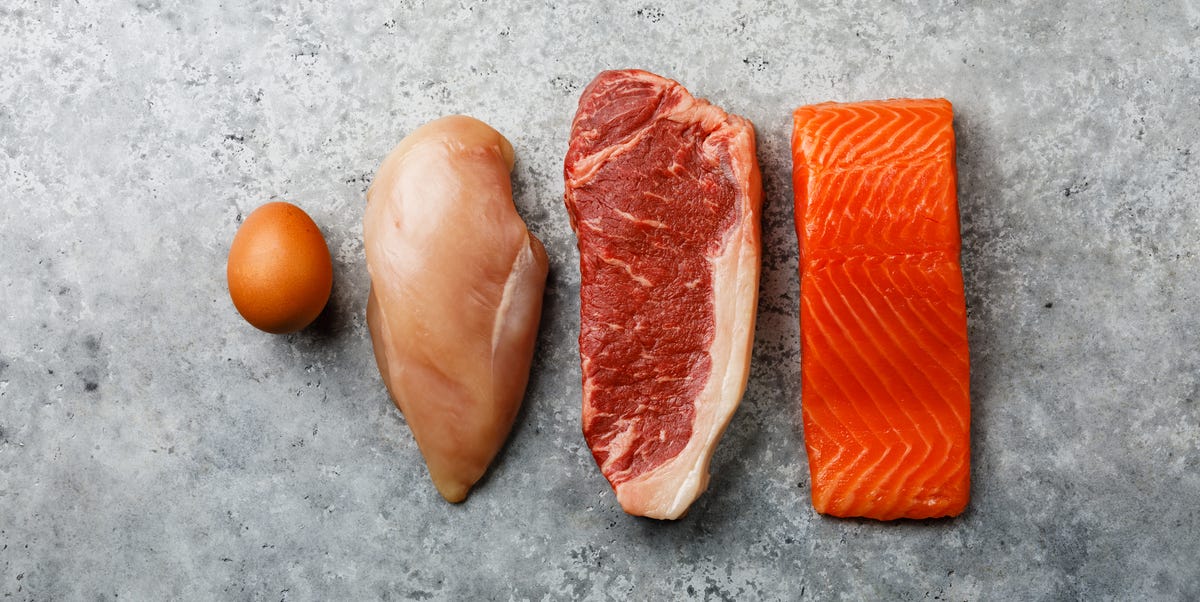
When selecting protein sources, Ormsbee emphasizes that while protein-fortified foods like bars and shakes are convenient, whole foods—including lean meats, dairy, eggs, fish, and legumes—provide significantly more nutritional benefits.
“Whole foods offer numerous beneficial components beyond just macronutrients, including essential vitamins, minerals, phytonutrients from plants, and fiber,” adds Carbone.

Erica Sweeney is a writer specializing in health, wellness, and professional development. Her work has appeared in publications such as The New York Times, HuffPost, Teen Vogue, Parade, Money, and Business Insider, among others.
In summary, the growing interest in protein consumption reflects a desire for healthier eating. While the term “high protein” may not have a standard definition, understanding its context can aid in making informed nutrition choices. Emphasizing whole foods can enhance dietary benefits, as they provide not only protein but also essential vitamins and minerals.


