### Understanding Your Fitness Tracker: Getting the Most Out of Technology
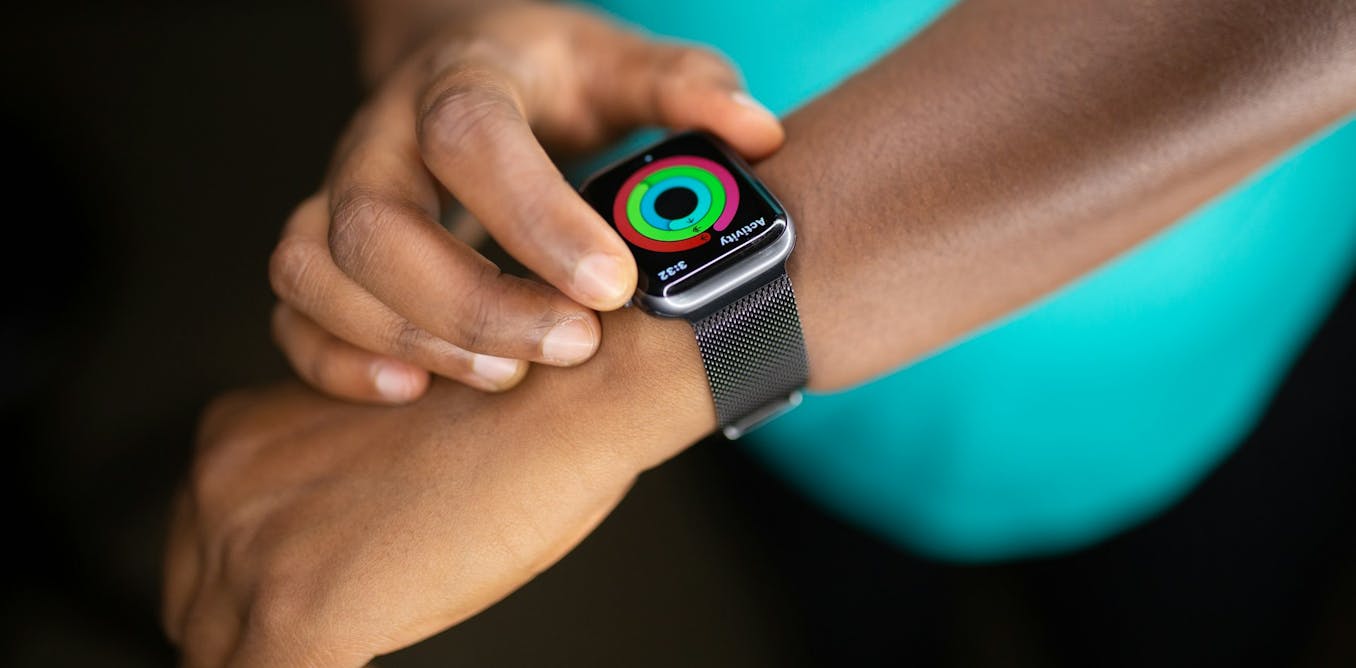
With the rise of fitness wearables, many individuals are turning to smartwatches to monitor their health and exercise routines. However, as you lace up your shoes for a run and glance at your smartwatch only to find a disappointing fitness score, it’s easy to question its accuracy. You may have felt fantastic during your workout, yet the watch suggests otherwise, urging you to take up to 72 hours off.
So, why the discrepancy? The reality is that smartwatches and fitness trackers aren’t always the most reliable sources of information regarding your health.
### The Influence of Smartwatches on Exercise Habits
Wearable fitness technology has surged in popularity, becoming a staple for millions worldwide. These devices have changed how many perceive health and fitness by providing metrics on calorie burning, recording fitness levels, tracking recovery, and assessing readiness for subsequent workouts. However, most of these statistics are not measured directly; rather, they are estimates and can frequently be inaccurate.
#### 1. Caloric Burn Estimates
Caloric tracking is a mainstay feature of smartwatches, yet the reliability can be dubious. Research shows that these devices may miscalculate energy expenditure—often reflecting inaccuracies of over 20%. This issue can be even more significant across various activities, such as strength training or high-intensity workouts. The implications of inaccurate calorie counts can affect dietary decisions and, consequently, your performance. If your device overestimates calories burned, you might be tempted to indulge more than necessary, while underestimations could lead to under-fueling before workouts.
#### 2. Step Counting
While step counts can help track your daily activity, they are not always dependable. Smartwatches can undercount steps by around 10% under standard conditions. Activities requiring limited arm movement, like pushing a stroller or carrying weights, can further reduce accuracy. Though a step count is useful for gauging general activity, treat it more as a guideline than a precise measurement.
#### 3. Heart Rate Monitoring
Smartwatches estimate heart rate based on blood flow in your wrist. This method tends to be reliable at rest but less so during intense activities. Elements like arm movement, skin tone, and how the watch fits can all affect readings. For those using heart rate zones for training, even minor discrepancies can lead to exercising at incorrect intensities.
Read more:
What are heart rate zones, and how can you incorporate them into your exercise routine?
#### 4. Sleep Tracking Capabilities
Most smartwatches provide a sleep score, categorizing sleep into stages like light, deep, and REM. However, true sleep measurement relies on polysomnography, a lab-based process that assesses brain activity. Smartwatches estimate sleep through movement patterns and heart rate, which are reasonable for determining sleep duration but often fall short regarding sleep stages.
Read more:
How do sleep trackers work, and are they worth it? A sleep scientist breaks it down
#### 5. Recovery Metrics
Many smartwatches calculate a “recovery” or “readiness” score based on heart rate variability and sleep data. However, since both metrics can be inaccurate when gathered from wrist-based sensors, this score may not provide meaningful insights into your actual recovery status. Trusting this score blindly might cause you to skip training days when you’re actually feeling fit and ready.
#### 6. VO₂max Estimations
VO₂max, a measure of maximal oxygen consumption, signifies your fitness level. While the best method to assess VO₂max involves specialized lab equipment, smartwatches approximate it using heart rate and movement, leading to frequently inaccurate estimates. Moreover, they tend to overestimate VO₂max for less active individuals and underestimate it for those who are fitter.
### What Should You Do?
While the inaccuracies in smartwatch data can be disheartening, dismissal is not necessary. These devices serve a valuable purpose in tracking general trends over time, but focus less on single-day observations or precise figures.
Listening to your body—balancing how you feel, how you perform, and how you recover—often provides clearer insights than any smartwatch metric could suggest. Trust your instincts and adjust your routine based on self-assessment rather than solely on technological feedback.
### Conclusion
Smartwatches and fitness trackers can be helpful tools to guide your fitness journey, but they should not be the sole determinants of your health decisions. By understanding their limitations and using them in conjunction with introspection about your physical condition, you can cultivate a more balanced and effective approach to fitness. Embrace the data as part of your wellness toolset, but always prioritize how you feel above all else.