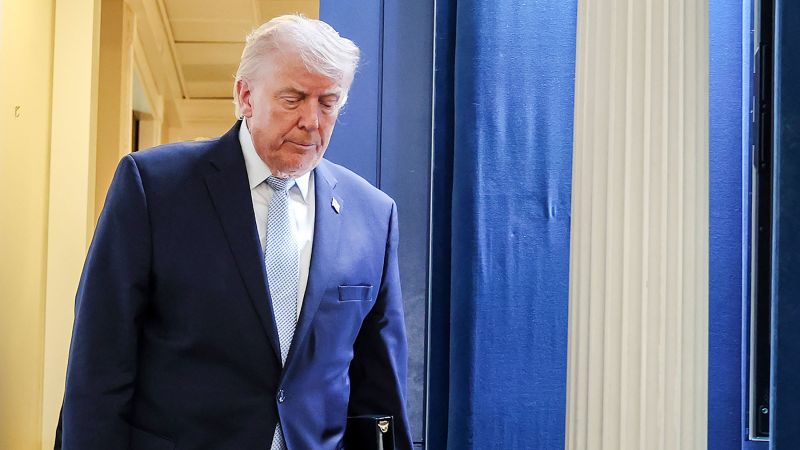
The recent ceasefire announcement between the United States and Iran caught many by surprise, particularly in Israel, where the response was muted. As details emerged, Israelis sifted through foreign reports to comprehend the implications of the truce.
Trump’s announcement came late at night, as many in Israel braced for possible escalations following his recent ultimatum to Tehran.
While sources from Iran, Pakistan, and the US elaborated on the terms of the ceasefire, it took four hours for any official response from Israel. When Prime Minister Benjamin Netanyahu’s office finally reacted, it issued a statement in English, expressing support for Trump’s decision to halt strikes against Iran for a two-week period. The statement emphasized that the ceasefire did not extend to Lebanon, a region that Israel has been actively targeting.
A subsequent Hebrew statement from a “senior political source” clarified that the US had coordinated the ceasefire efforts with Israel.
The exclusion of Lebanon from the ceasefire seems to be a key point of misunderstanding. While Pakistan asserted that Lebanon was part of the agreement, Netanyahu maintained that the ceasefire pertains solely to Iran. Israel’s military continued its operations against Hezbollah in Lebanon.
With the Jewish Passover holiday being observed by many government officials, formal reactions from Israeli leaders are unlikely until the holiday concludes on Wednesday evening. The only public remark from a coalition member came from Zvika Fogel, a lawmaker from National Security Minister Itamar Ben Gvir’s far-right party, who criticized Trump in a now-deleted post.
Meanwhile, the opposition quickly stepped in to express their dissatisfaction with Netanyahu’s approach. Opposition leader Yair Lapid described the situation as “the worst diplomatic disaster in our history.” Yair Golan, leader of the left-wing Democrat Party, accused Netanyahu of failing to convert military achievements into meaningful strategic outcomes, asserting that Iran is now “exiting this war stronger.”
Key Takeaways
- The ceasefire announcement surprised many Israelis, leading to confusion and concern.
- Israel’s official response to the truce took hours, and was initially issued only in English.
- There is ambiguity regarding Lebanon’s status in the ceasefire, with conflicting statements from different parties.
- Formal Israeli reactions are expected to be delayed due to the ongoing Passover holiday.
- The opposition has been vocal in critiquing Netanyahu’s handling of the ceasefire.
FAQ
What sparked the ceasefire announcement?
The ceasefire was initiated following escalating tensions between the United States and Iran.
How did Israel initially respond to the ceasefire?
Israel’s official response was delayed for several hours and came out only in English at first.
What confusion arose regarding Lebanon?
Conflicting statements about whether Lebanon was included in the ceasefire created confusion among officials and analysts.
When can we expect more reactions from Israeli leaders?
Formal reactions are anticipated after the Jewish Passover holiday concludes on Wednesday evening.
What criticism has emerged from the opposition?
The opposition leaders have criticized Netanyahu’s performance, labeling it a diplomatic failure.