
In recent developments, Planet Labs, a company specializing in satellite imaging, has decided to withhold visuals of Iran and its surrounding conflict regions indefinitely. This decision aligns with a request from the U.S. government, highlighting the complex intersections between technology, security, and military operations.
Satellite Imaging Withdrawal
California-based Planet Labs announced its decision through an email sent to customers, noting that the U.S. government had urged all satellite imagery providers to refrain from releasing any images of the conflict-affected areas.
This policy extends a previous 14-day hold on the release of imagery pertaining to the Middle East that was instituted last month, aimed at curbing the risk of adversaries utilizing the information for military aggression against the U.S. and its allies.
Imagery Timeline and Context
Planet Labs stated that it will be withholding imagery dating back to March 9, with no clear end date to this policy until hostilities cease. The ongoing conflict escalated when the U.S. and Israel launched attacks on Iran on February 28, which prompted Tehran to retaliate against Israel and U.S. military installations in neighboring Gulf states, including Saudi Arabia, Kuwait, and Bahrain.
Military Applications of Satellite Imagery
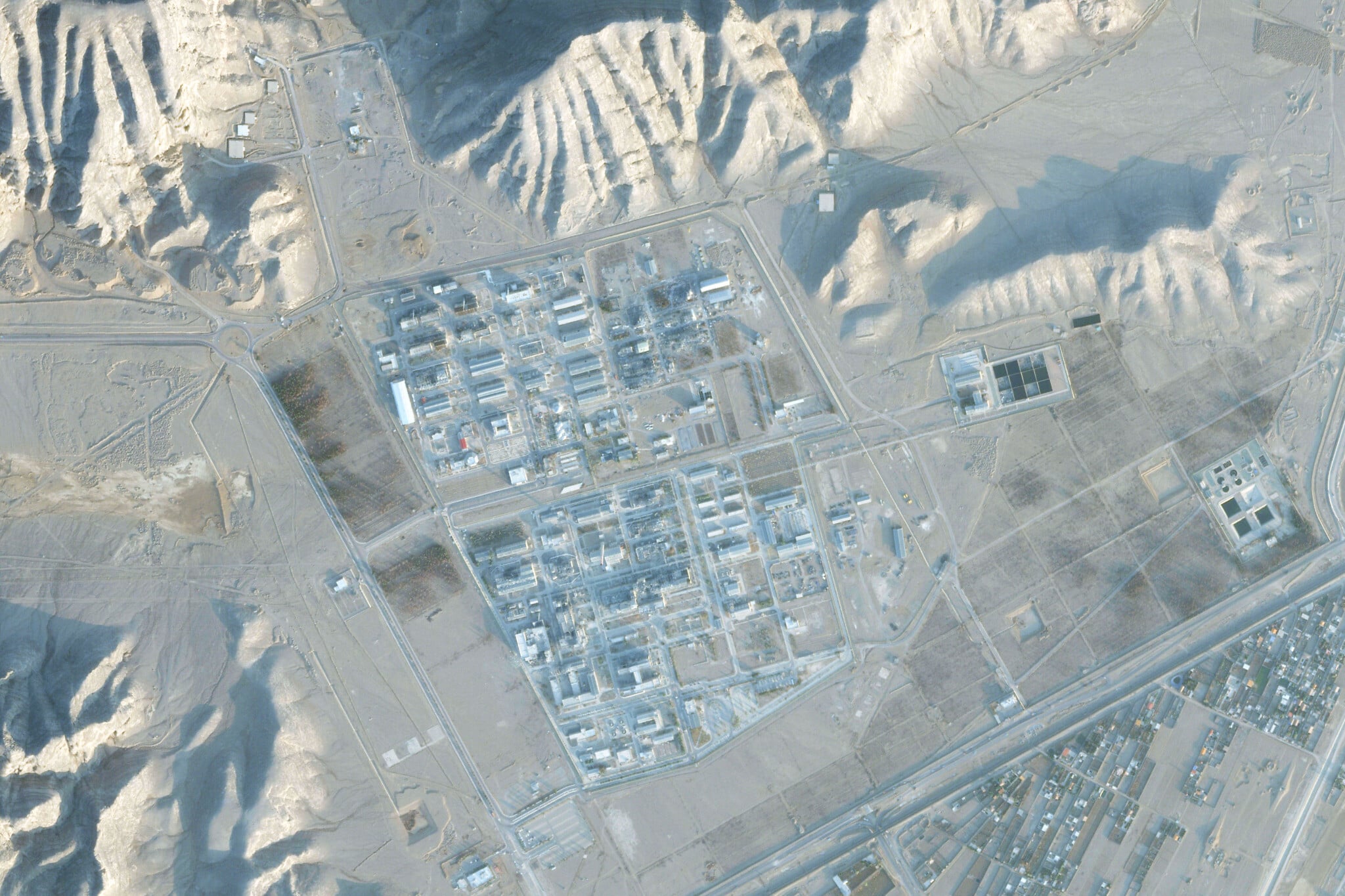
Military applications for satellite technology encompass critical functions such as target identification, weapon guidance, missile tracking, and communications. Experts in space technology have raised concerns that Iran might gain insights from commercial imagery, perhaps even procured through U.S. adversaries. Moreover, satellite photos serve as invaluable resources for journalists and academics investigating hard-to-access regions.
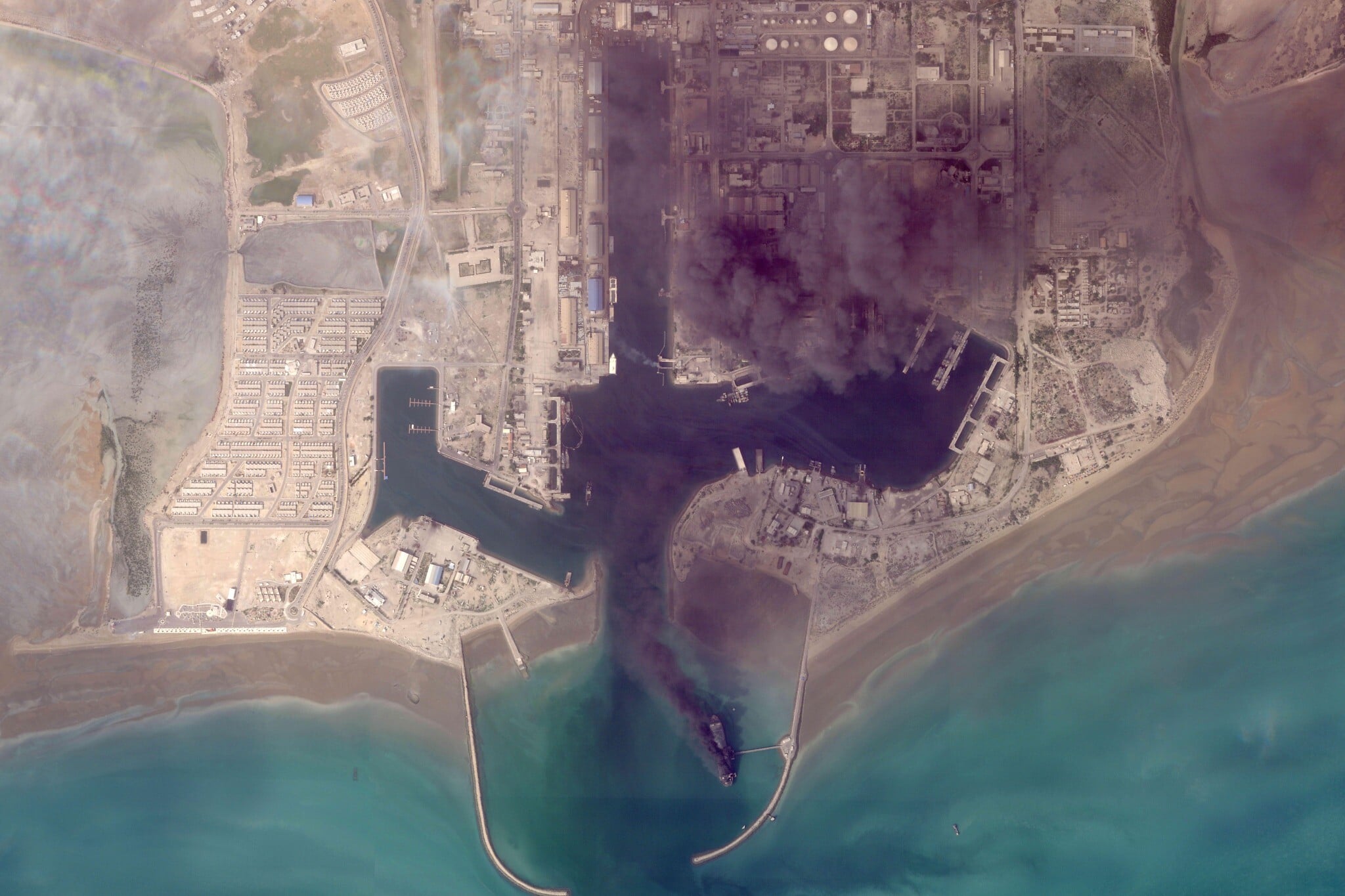
Planet Labs, operating a comprehensive fleet of Earth-observing satellites, provides frequently updated visuals to government agencies, businesses, and media outlets. The company has not issued further comments regarding this new directive.
The Pentagon has stated that it does not comment on matters concerning intelligence.
Image Distribution Policy
In its email to clients, Planet Labs indicated a transition to a “managed distribution of images” that are deemed not to compromise security. Under this new framework, imagery will be released on a case-by-case basis for urgent operations or matters of public interest.
“These are extraordinary circumstances, and we are doing all we can to balance the needs of all our stakeholders,” the firm stated.
Industry Reactions
Another satellite imagery provider, Vantor (formerly Maxar Technologies), informed Reuters that they have not received a request from the U.S. government. Vantor has maintained the ability to “implement enhanced access controls during times of geopolitical conflict,” which they currently have in place for specific areas in the Middle East. These controls manage who can request or purchase new images in regions where the U.S. military and allies are actively engaged.
BlackSky Technology, another commercial satellite provider contacted by Reuters, has not responded to requests for comment.
Key Takeaways
- Planet Labs is withholding satellite imagery of Iran and conflict regions per a U.S. government request.
- The policy prohibits the release of imagery dating back to March 9 and remains until the conflict ends.
- The U.S.-Iran conflict intensified due to military actions starting February 28.
- Satellite imagery plays vital roles in military operations and journalistic research.
- Planet Labs will adopt a managed distribution system for imagery deemed safe to share.
- Other satellite companies are implementing their own access controls during this geopolitical tension.
FAQ
Why is Planet Labs withholding imagery?
Planet Labs is complying with a request from the U.S. government to prevent potential misuse of satellite imagery in military conflicts.
How long is this policy expected to last?
The withholding of imagery is set to continue until the ongoing conflict has ended.
What is a managed distribution system?
A managed distribution system allows Planet Labs to release images on a case-by-case basis for critical needs while prioritizing safety.
The recent decision by Planet Labs underscores the interconnectedness of technology and global events, showcasing the complexities faced by satellite imaging firms during times of crisis. As situations evolve, the importance of ethically and strategically managing such technology remains paramount.


