- Walking is the most favored leisure activity in the U.S.
- Urban residents also engage in running and weightlifting, while rural residents enjoy gardening and hunting.
- However, experts indicate that these activities may not be enough for optimal fitness, suggesting additional forms of exercise may be beneficial.
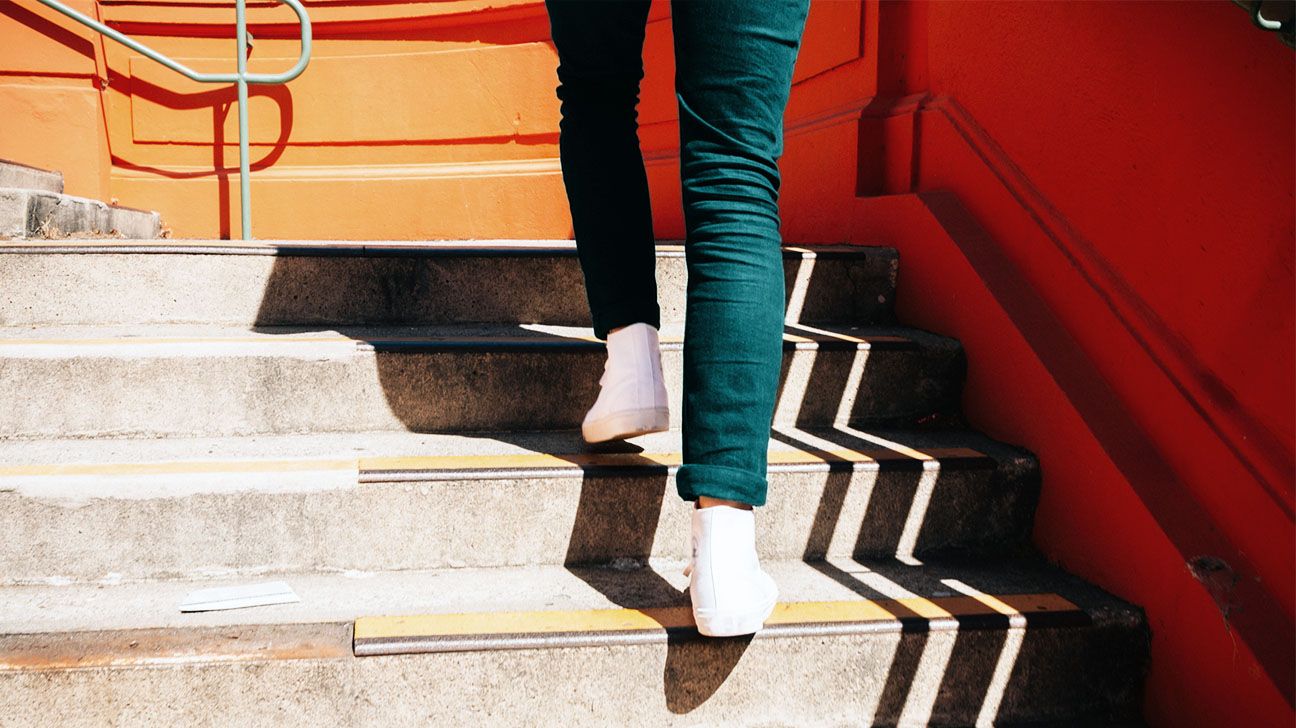
Walks are a beloved leisure pursuit in both urban and rural landscapes across the United States. A recent survey highlights walking’s status as the most prevalent physical activity among American adults.
In urban areas, people often supplement their walking with activities such as running, weightlifting, and dancing. In contrast, rural populations tend to engage in gardening, hunting, and fishing as part of their physical activity routines.
The differences in these leisure activities may stem from accessibility and cultural factors surrounding various regions. Interestingly, data reveals that urban residents are more likely to meet national physical activity guidelines compared to their rural counterparts.
Despite the popularity of walking, only 25% of walkers fulfill the combined recommendations for aerobic and muscle-strengthening activities, with about 22% not meeting either requirement.
These insights come from a comprehensive analysis of telephone survey data collected from over 396,000 adults in 2019, highlighting that 44% reported walking as their primary form of exercise, mirroring findings from a similar study conducted in 2011.
New publications in the journal PLOS One should further inspire activity enhancements tailored to specific regions and demographics.
Researchers aim to motivate individuals and health professionals to customize fitness strategies to improve engagement and accessibility.
Dr. Christiaan Abildso, a leader in the study from West Virginia University, emphasized the importance of tailoring physical activities to encourage people of all demographics to get moving regularly. He suggests a stronger support system is essential for smaller communities to enhance fitness options.
To this end, Dr. Abildso offers several constructive suggestions for community leaders:
- Create wider shoulders along country roads for safe walking and cycling.
- Expand networks of rail trails for uninterrupted pedestrian pathways.
- Start chair exercise programs in local senior centers.
- Enhance green spaces like parks to promote outdoor activity.
- Keep school facilities accessible to the public for recreational use.
Dr. Michael Fredericson, a professor of orthopedic surgery at Stanford Medicine, also echoed the necessity of accessible forms of physical activity, emphasizing the benefits of simple, everyday exercises.
Walking and gardening can be effective moderate-intensity workouts when performed consistently with the right intensity, according to Dr. Fredericson. However, activities like hunting and fishing may lack the necessary physical exertion unless they involve significant walking or hiking.
According to the Centers for Disease Control and Prevention (CDC), adults should aim for at least 150 minutes of moderate-intensity aerobic exercise weekly.
This could be achieved through brisk walking for 30 minutes a day, five times weekly, or 75 minutes of vigorous-intensity workouts like swimming or running.
The CDC also recommends integrating at least two days of muscle-strengthening activities into weekly routines.
Dr. David Cutler, a family medicine physician, emphasizes the importance of reaching these physical activity benchmarks for overall well-being.
“Incorporating both aerobic and strength-building activities is crucial,” he advises. Simple exercises like squats or using hand weights can easily fit into daily schedules.
However, individual activity needs can vary widely.
A well-rounded fitness regimen should include four key elements: aerobic exercises, muscle-strengthening activities, balance training, and flexibility exercises. “Exercise snacks,” or brief 1-5 minute intervals of physical activity throughout the day, can also effectively enhance overall health.
Dr. Fredericson notes that such short bursts of exercise can particularly benefit those who may be less active.
To diversify activity levels, Dr. Cutler shares that supplementing walking with activities like yoga, dancing, or cycling can significantly enhance fitness. Local infrastructure, such as parks and trails, can also facilitate these exercises.
Including core-strengthening exercises in your routine can improve stability, posture, and reduce back discomfort, according to Dr. Cutler. Furthermore, stretching is vital for enhancing flexibility, supporting healthy aging, and preventing injuries.
In conclusion, while walking is an excellent starting point for many people, it’s crucial to pair it with additional forms of physical activity to achieve comprehensive fitness. Engaging in a variety of exercises not only boosts your physical health but also contributes positively to mental and emotional well-being. By implementing some of the suggestions discussed and tailoring your routine to include both aerobic and muscle-strengthening activities, you can cultivate a balanced and effective fitness regimen.