Introduction
Physical fitness isn’t just about building muscle or shedding pounds—it’s vital for mental well-being as well. Recent studies highlight the connection between cardiorespiratory fitness (CRF) and mental health outcomes across diverse populations. Here’s what we know about CRF, mental health, and how you can apply this knowledge to your fitness routine.
Understanding Cardiorespiratory Fitness (CRF)
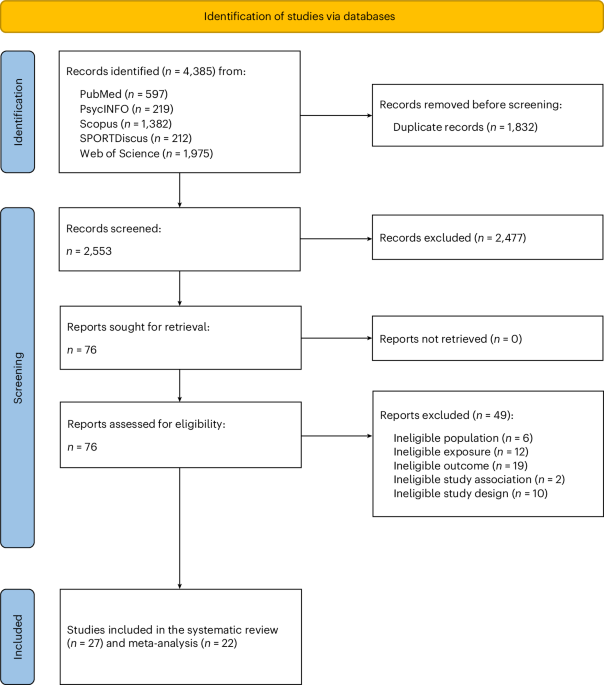
Cardiorespiratory fitness (CRF) refers to the body’s ability to supply oxygen to muscles during physical activity. Enhanced CRF can lead to improved overall health, which researchers have found correlates with better mental and neurocognitive health. In studies spanning multiple countries, researchers examined a total of 27 cohort studies involving over 4 million individuals to assess these relationships.
Study Insights
-
Who Was Studied?
- The studies included people from various backgrounds aged between 10 and 72 years. Most participants were from nine countries, such as the United States, Germany, and Finland.
-
Measuring Fitness:
- CRF levels were assessed through various tests, either maximal (like running until exhaustion) or submaximal (lower-intensity efforts).
-
Mental Health Outcomes:
- Researchers focused on conditions like anxiety, depression, and dementia, using both medical diagnoses and self-reported symptoms to evaluate mental health.
Practical Findings
- Children and Adolescents: Higher CRF was linked to a lower risk of anxiety and attention-deficit/hyperactivity disorders.
- Adults: Significant correlations between high CRF and a reduced risk of anxiety, depression, and dementia were identified. For example, a 1-MET increase in CRF was associated with a lower incidence of these conditions.
Quality of Research
Out of the studies reviewed, roughly 57% were rated as good quality. However, some studies showed limitations in defining exposure and demonstrating long-term follow-up. The strength of evidence varied, with moderate certainty for conditions like dementia, but lower assurance for anxiety and depression.
Statistical Outcomes
In terms of statistics, participants with higher CRF levels showed:
- A 10% reduction in risk for anxiety.
- A 36% lower risk for depression.
- A 39% lower risk for all-cause dementia compared to those with lower CRF levels.
Conclusion
Integrating regular cardiovascular exercises like running, swimming, or cycling can enhance your cardiorespiratory fitness and, potentially, your mental health. While the connection between fitness and mental well-being is complex, the evidence highlights the importance of maintaining an active lifestyle for cognitive health. Whether you’re a seasoned athlete or just starting out, prioritizing fitness can have profound benefits beyond just physical outcomes. So lace up your sneakers and start moving for both your body and mind!