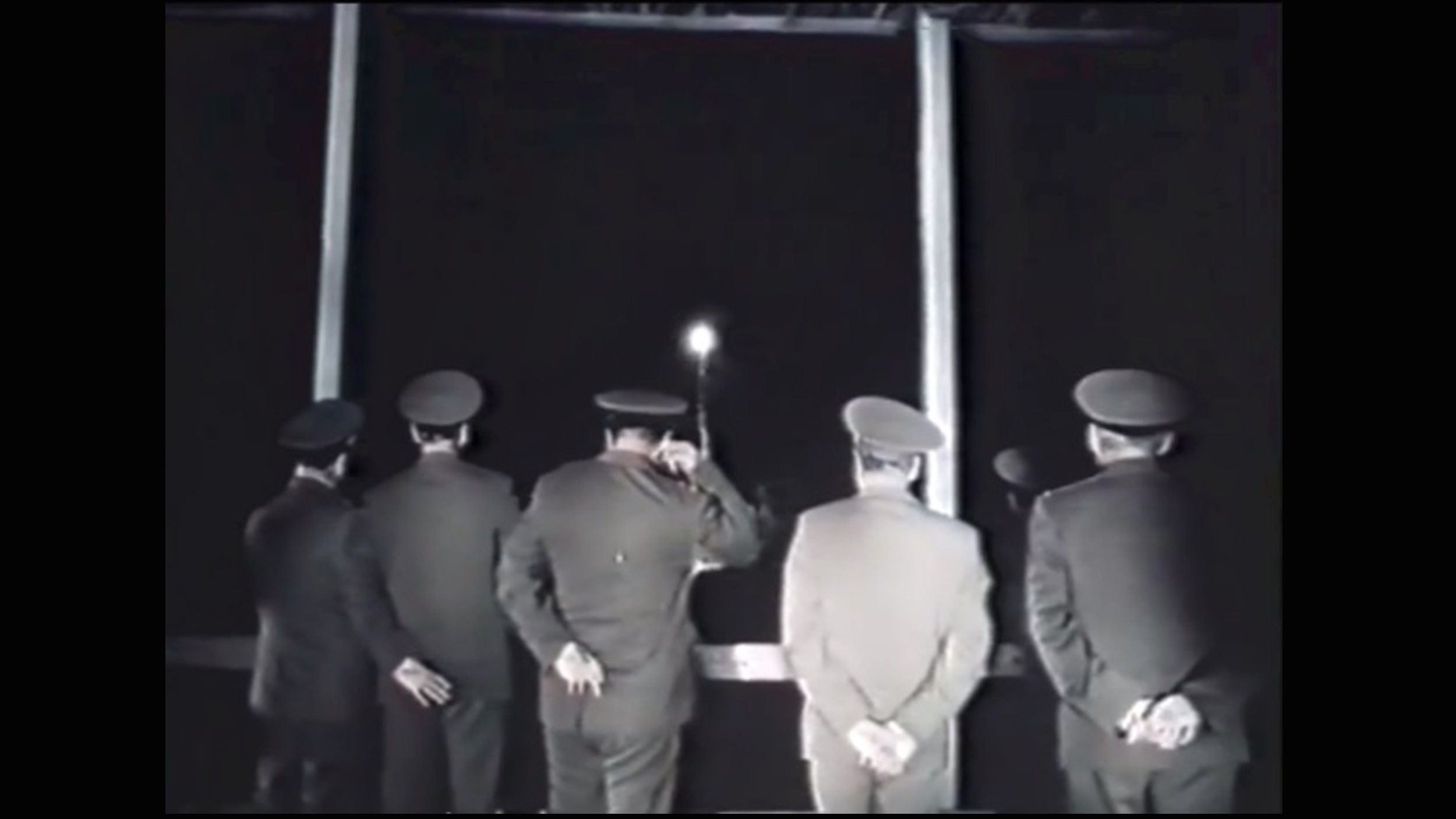
On September 26, 1983, a critical incident occurred when a Russian Soyuz rocket exploded on the launchpad with cosmonauts Vladimir Titov and Gennady Strekalov aboard the Soyuz T-10-1 spacecraft. Just 90 seconds before liftoff, a fire erupted, but thanks to the emergency abort escape system, the Soyuz capsule was ejected moments before the explosion, marking the first successful use of such a system during a crewed launch.
The launch escape system is designed to swiftly separate the capsule from the rocket in emergencies. Although effective, the ejection subjected the cosmonauts to extreme forces of about 20Gs, illustrating the dangers faced during space missions.
Following this incident, the Soyuz program continued, and on October 11, 2018, another launch abort occurred during the ascent of the Soyuz MS-10 carrying NASA astronaut Nick Hague and Russian cosmonaut Dmitry Rogozin, again demonstrating the importance and reliability of the launch escape system.
These events underscore the significance of safety mechanisms in space exploration, showcasing both the risks involved and the advancements made to protect astronauts.


