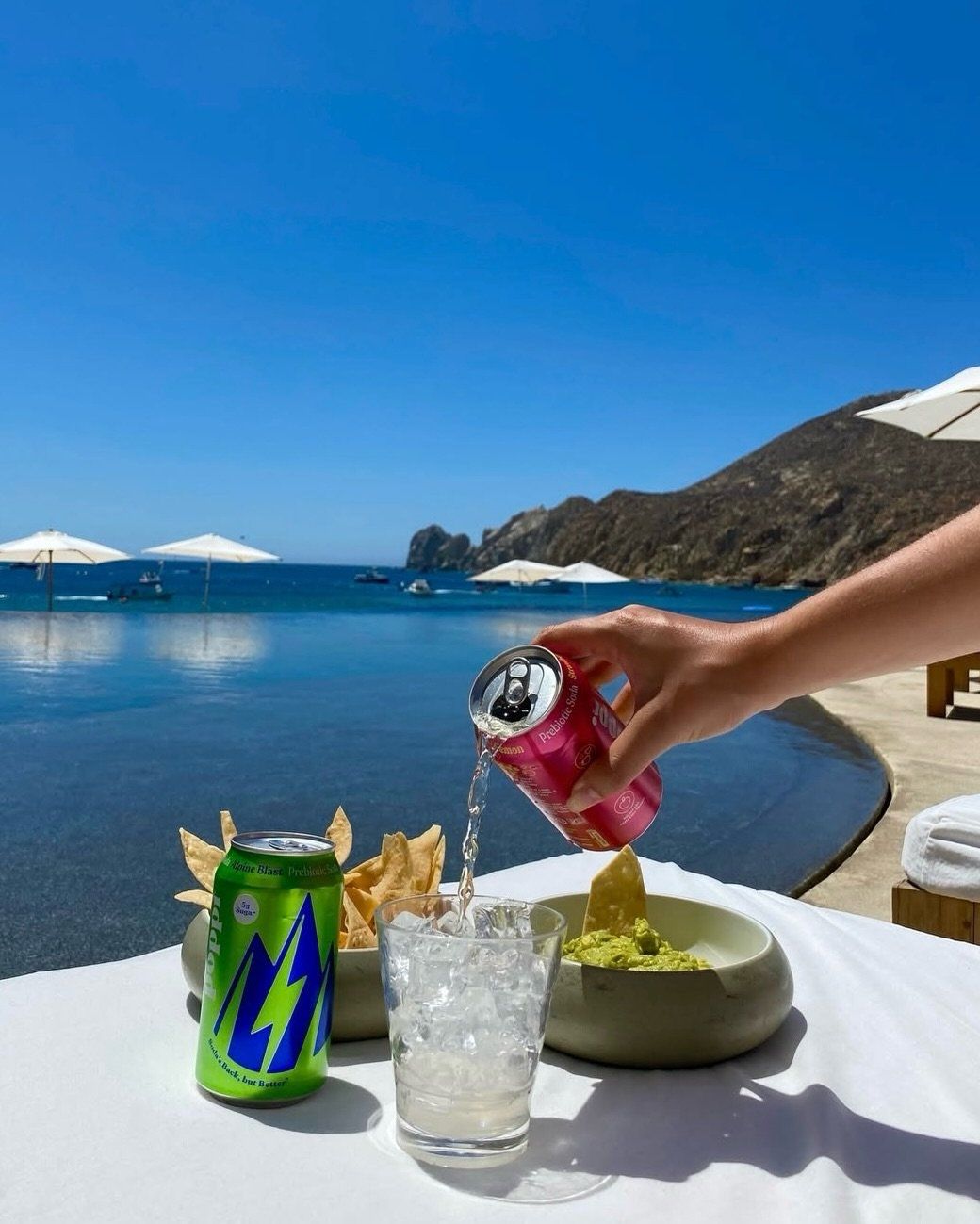
In an exciting development for beverage enthusiasts, a beloved prebiotic drink brand is set to make its UK debut soon. Below are the essential details about this upcoming launch.
Product Overview
There’s no denying that the United States excels in offering a diverse range of sodas, from classic Shirley Temple 7Up to eye-catching flavors like Arizona Sparkling Iced Tea and Dr Pepper.
Recently, Mr. Pibb was relaunched across the nation, and Ben Stiller introduced a soda brand inspired by his childhood. Now, a fan-favorite is making its way to the UK.
PepsiCo announced on February 26 that a gut health soda is on the horizon, promising to ‘revolutionize’ the soda experience for a new generation.
“Delivering full flavor fizz that’s made with ingredients you can love; low in sugar, low in calories and high in fiber,” the brand added.

A supermarket and a coffee chain are set to start selling a beloved American soda (Getty Stock Image)
According to The Grocer, this beverage brand is perfectly aligned with the UK’s emerging interest in drinks that blend enjoyment with added benefits.
“Consumers are looking for soft drinks that deliver great taste and a modern brand narrative,” stated Munnawar Chishty, CMO of Carlsberg Britvic, the company handling distribution.
Chishty also highlighted the brand’s ‘vibrant packaging’ and ‘bold flavor profiles’, which are sure to grab attention in retail spaces.
Poppi’s Arrival
We are talking about Poppi, the popular American prebiotic soda known for its robust fruity flavors. Acquired by PepsiCo in 2025 for $1.95 billion, the brand is set to introduce five flavors to British consumers on March 5.
The available flavors include Wild Berry, Strawberry Lemon, Orange, Lemon Lime, and Raspberry Rose.

Poppi is bringing five flavours to Britain next month (PepsiCo)
These low-sugar drinks, made with real fruit juice, will be available at Tesco and Pret a Manger starting March 5. Customers can purchase them in 300ml cans individually or in packs of four, starting at £2.59.
A broader rollout is planned later in the year according to Carlsberg Group.
Addressing Poppi’s global launch, Natalia Fillipociants, GM Europe FOBO of PepsiCo stated: “This marks an important milestone for us. Poppi represents an opportunity to lead the next evolution of soda by blending great taste, cultural relevance, and emotional connection while attracting new consumers.”
“We view Poppi as a category leader that embodies the changing consumer preferences and emerging occasions, and we are excited to bring this momentum to the UK for its next growth phase, with more innovations to follow,” she added.
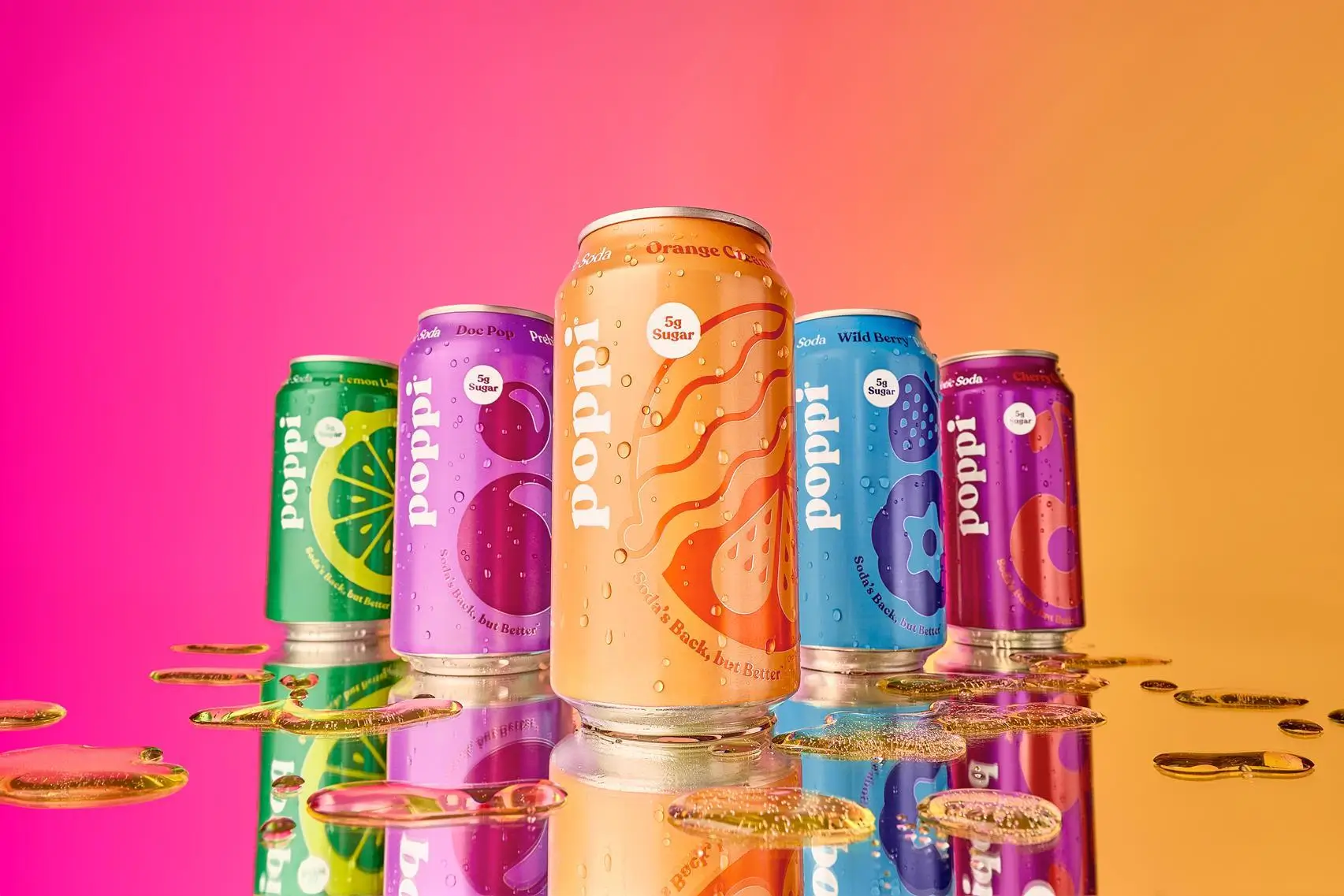
What Poppi flavour would you like to see in the UK? (PepsiCo)
Social media has been abuzz with discussions about the drink, with users expressing enthusiasm about trying it. One TikTok user stated, “I want to try this; everyone in America has had these drinks. We have Red Bull and Monster, but I want to try this too.” Another user added, “I really want to try it,” while another requested on platform X, “Now who do I have to speak to at Poppi to get some ‘Chelley’ Shirley Temple in the UK?”
Be sure to look for Poppi products at your local supermarket; they may just be the beverage you’ve been waiting for.
Key Takeaways
- The popular prebiotic soda brand, Poppi, is launching in the UK on March 5.
- Five vibrant flavors will be available: Wild Berry, Strawberry Lemon, Orange, Lemon Lime, and Raspberry Rose.
- The beverages will be sold at Tesco and Pret a Manger in 300ml cans, individually or in packs of four from £2.59.
- Poppi is designed to combine great taste with gut health benefits, using real fruit juice and being low in sugar.
- This launch marks Poppi’s first global introduction and is expected to attract a new consumer audience in the UK market.
FAQ
When will Poppi be available in the UK?
Poppi is set to debut on March 5.
Where can I buy Poppi products?
You can purchase Poppi at Tesco and Pret a Manger.
What flavors will be offered?
The available flavors will be Wild Berry, Strawberry Lemon, Orange, Lemon Lime, and Raspberry Rose.
How much will Poppi cost?
Single cans will start at £2.59, with packs of four also available.


