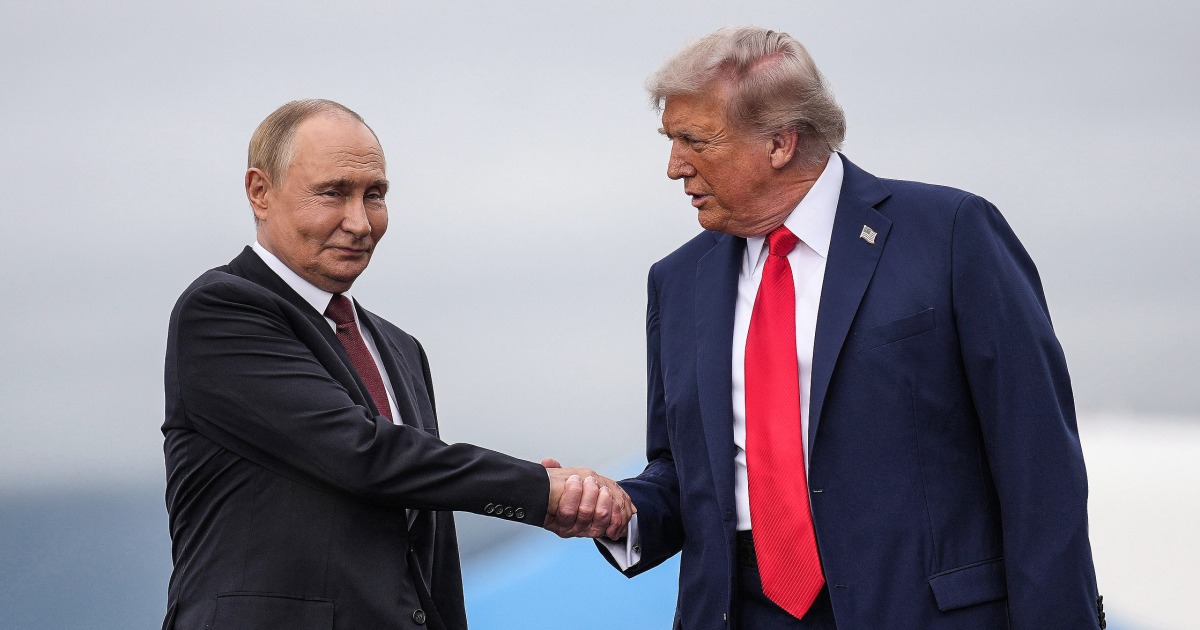
This text discusses recent developments regarding Russia’s diesel fuel export ban and the geopolitical implications following remarks made by former U.S. President Donald Trump.
Key Points:
-
Diesel Fuel Export Ban:
- Russia imposed a diesel fuel export ban in July due to Ukrainian attacks on its energy infrastructure, which has now been extended through October.
-
Trump’s Involvement:
- Trump stated that an agreement between him and Russian President Vladimir Putin would lead to the lifting of this ban. He urged Ukrainian President Volodymyr Zelenskyy to cease attacks on Russian diesel facilities, arguing that such actions drive up diesel prices.
-
Zelenskyy’s Response:
- Zelenskyy denied any agreement to stop targeting Russian energy assets. Instead, he insisted that Ukraine would only cease such operations if Russia agreed to do the same.
-
Increasing Tensions:
- Despite calls for restraint, the Kremlin has escalated its attacks on Ukrainian cities and infrastructure.
-
U.S. Support for Ukraine:
- Zelenskyy emphasized the importance of U.S. support in countering Russian aggression and criticized Trump’s move as a sign of weakness that could benefit Russia in the ongoing conflict.
-
Market Reactions:
- Following Trump’s remarks, diesel futures experienced a slight decrease, but prices remained significantly higher compared to the start of the year.
-
Ongoing Negotiations:
- The announcement coincided with Ukrainian negotiators traveling to the U.S. for talks aimed at resolving the conflict, led by special envoy Steve Witkoff and Jared Kushner.
This situation highlights the complex interplay between energy policy, international relations, and ongoing military conflict.


