World Space Week 2026: Reflecting on the Rocket Revolution
Overview of World Space Week
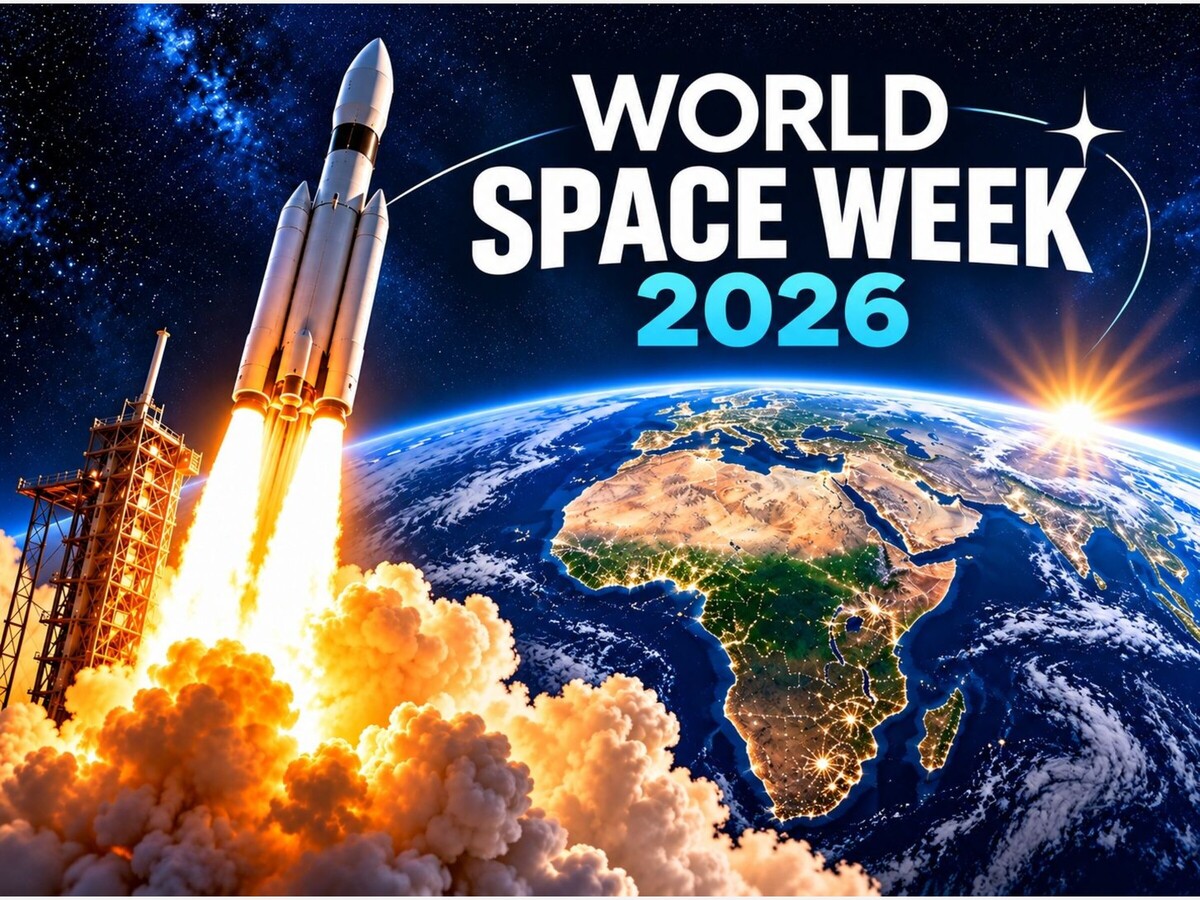
World Space Week, running from October 4 to 10, celebrates the advances in space science and technology, marking significant milestones like the launch of Sputnik 1 in 1957 and the enactment of the Outer Space Treaty in 1967. The 2026 theme, “Rocket Revolution,” emphasizes the shift from government-dominated space launches to a commercial landscape full of diverse players.
The Role of Reusable Rocket Technology
Central to this revolution is reusable rocket technology, which reduces costs and increases launch frequency. However, it is crucial to recognize that the journey is not over—most orbital systems are still not fully reusable and launch costs encompass more than just the rocket.
Broadening Access to Space
The democratization of space access allows universities, startups, and countries with nascent space programs to participate in scientific missions. The benefits extend beyond commercial interests; satellite technology has practical applications in weather forecasting, disaster response, and sustainable agriculture.
Space Technology and Daily Life
Space technology impacts everyday life significantly, enabling vital services ranging from weather predictions to navigation. While lower launch costs may make these tools more accessible, they also raise questions about equity and the commercialization of data.
The Balance of Discovery and Responsibility
Recent discoveries, such as observations from the James Webb Space Telescope, underline the importance of space exploration in expanding scientific knowledge. Yet, as more satellites are launched, challenges like orbital debris and light pollution must be addressed to preserve the integrity of our shared environment.
The Intersection of Public Governance and Private Interests
While the rise of private companies propels innovation in space, public governance must ensure that access to space serves the greater good and avoids monopolization. Competition policies must be in place to prevent a few entities from controlling access to orbital space.
Minnesota’s Contribution to Aerospace
Minnesota plays a crucial role in the aerospace industry, with its educational institutions and manufacturers supporting advancements in space technology. The state should harness World Space Week as an opportunity to enhance local engagement and education in the space sector.
Conclusion: Defining Progress in Space
World Space Week 2026 should inspire reflection on the responsibilities associated with space access. The true measure of progress is not merely launching more satellites but ensuring that these efforts lead to meaningful benefits for humanity and the Earth. How we govern this new chapter in space exploration will determine whether the rocket revolution ultimately enhances our understanding and stewardship of the universe.


