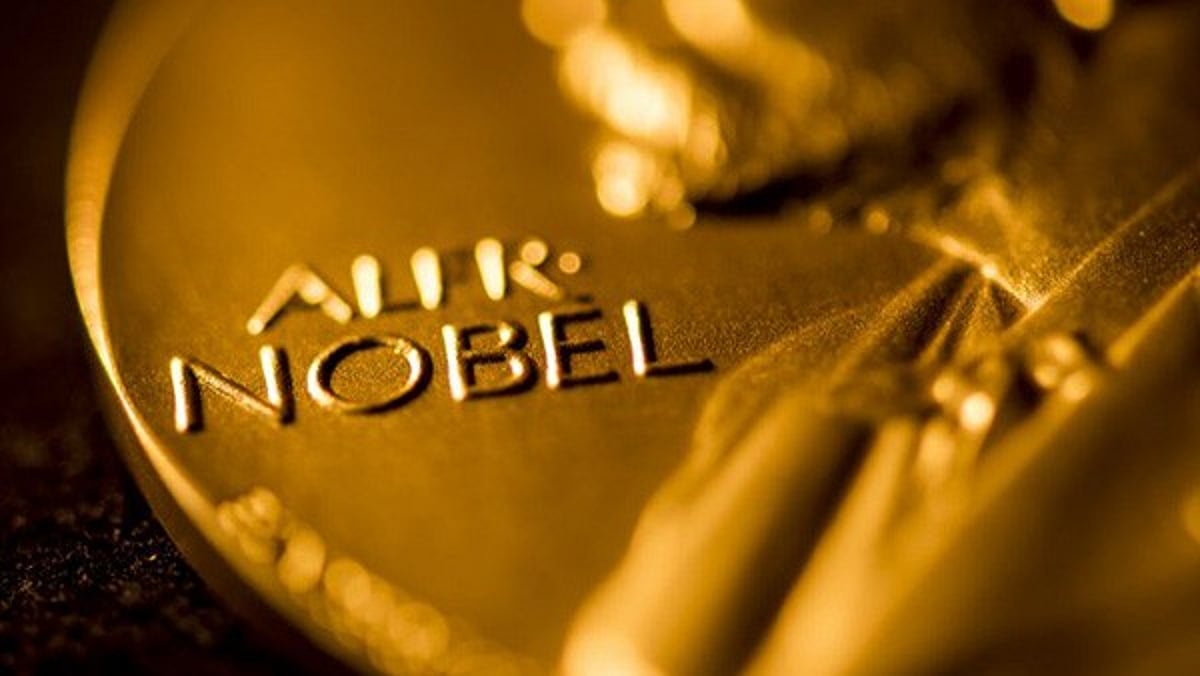
The Nobel Prizes for science were recently awarded, highlighting significant contributions in various fields:
Prize for Physiology or Medicine
Winners: Karl Deisseroth, Peter Hegemann, and Georg Nagel
Discovery: They were recognized for their pioneering work on optogenetics, which allows scientists to control individual nerve cells using light. This technique has become vital in neuroscience, enabling researchers to explore brain functions related to behaviors such as memory, fear, and addiction.
Prize for Physics
Winner: Francis Halzen
Discovery: Awarded for his leadership in the IceCube Neutrino Observatory, which detects high-energy neutrinos from outer space. This work helps in understanding cosmic rays’ origins and contributes to our knowledge of astrophysical processes.
Prize for Chemistry
Winners: Henri Kagan and Kenso Soai
Discovery: They were honored for their research on chirality in chemical reactions, particularly the discovery of non-linear effects and autocatalysis, which play a crucial role in forming enantiomers (molecules that are mirror images of each other). Their findings have implications for organic synthesis and the understanding of biological processes.
Key Highlights
-
Optogenetics: Revolutionized neuroscience by allowing precise control of neuronal activity, leading to breakthroughs in understanding brain circuitry.
-
IceCube: The observatory’s detection of cosmic neutrinos, particularly from a galaxy known for its black hole, marks significant progress in astrophysics.
-
Chirality: Understanding the asymmetric properties of molecules is essential for the development of drugs and other chemical products.
These prizes not only recognize individual achievements but also reflect ongoing research that continues to shape scientific understanding and methodology across various disciplines.


