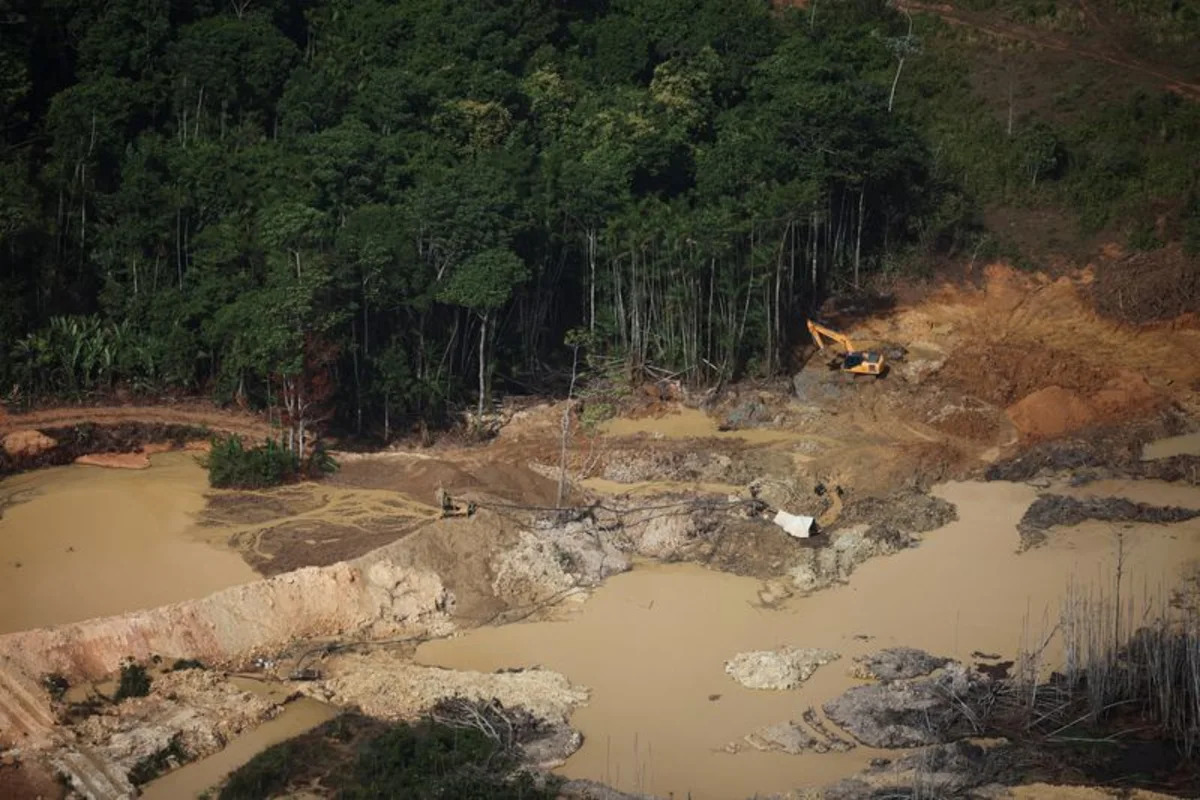
Overview of the Threats to Tropical Ecosystems
Researchers have revealed that millions of hectares of protected tropical ecosystems are under threat from overlapping mining concessions and oil and gas exploration. This situation could undermine a global treaty aimed at conserving 30% of land, freshwater, and oceans by the end of the decade.
Key Findings from Recent Research
-
Study Context: Conducted by the US environmental group Earth Insight, this research was released ahead of UN biodiversity talks set to begin in Yerevan, Armenia, on October 18.
-
Current Conservation Levels: A global assessment scheduled for the COP17 meeting indicates that existing government commitments are far from achieving the “30×30” conservation goal. As of now, pledges are expected to cover only 23% by 2030.
-
Nature of Threats: Over 61 million hectares of tropical ecosystems are at risk from oil and gas blocks, while mining concessions overlap with 42.7 million hectares of protected areas.
-
Damage Already Done: Some concessions have already caused significant harm, such as the open-pit gold mine in Cambodia, which resulted in a loss of 10,000 hectares in the Phnom Prich wildlife sanctuary.
Environmental Implications
-
Biodiversity Risks: A substantial portion of key marine biodiversity areas, particularly in the Amazon, Southeast Asia, and Central America, are yet to be protected.
-
Future Prospects: With nations eager to enhance energy security during the current energy crisis, more concessions are likely to be activated. This includes Bangladesh inviting bids for oil blocks in biodiversity-rich regions.
Quotes from Experts
-
Madhu Rao, chair of the World Commission on Protected Areas, highlighted the importance of not just focusing on the quantity of protected land but also on its actual safety from industrial developments.
-
Tyson Miller, executive director of Earth Insight, expressed that there’s an opportunity for nations to revoke unlicensed concessions to better protect these vital ecosystems.
The findings emphasize the need for a more comprehensive approach to conservation, ensuring that designated protected areas are genuinely safeguarded against industrial threats.


