Understanding How Rockets Avoid Satellite and Space Debris Collisions During Launch
Current Landscape of Satellite Launches
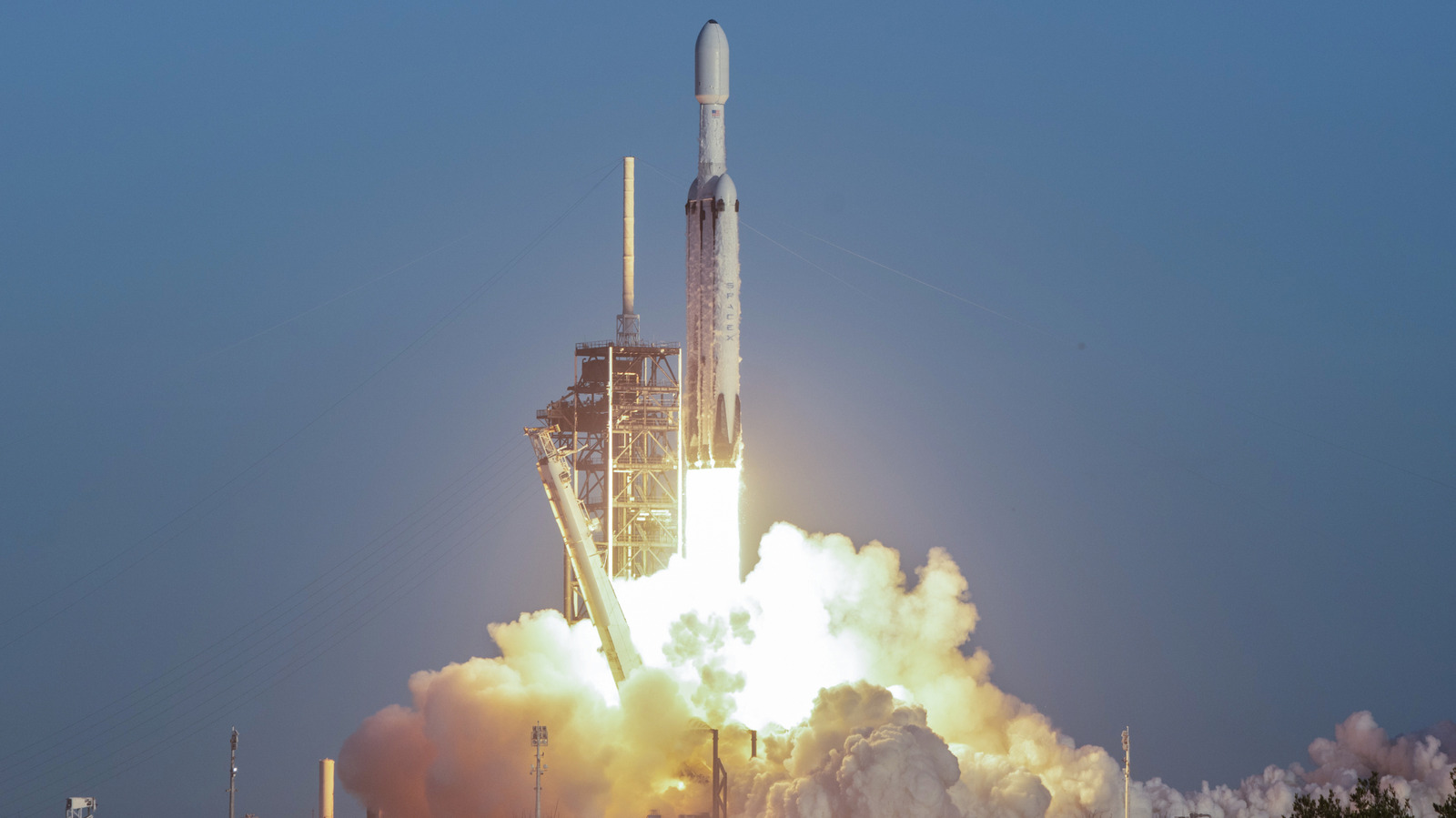
Advancements in space technology have significantly reduced the costs and complexities of launching satellites into low Earth orbit (LEO). SpaceX’s Falcon 9, for instance, allows rapid turnaround for launches, enabling over 3,200 payloads to reach orbit in 2026 alone. This increase in satellite launches has led to a congested environment in LEO, necessitating careful monitoring of both active satellites and space debris to prevent collisions.
Key Strategies for Avoiding Collisions
As rockets launch into space, timing and trajectory calculations are critical. Since rockets cannot swiftly alter their paths during launch, extensive planning based on mission parameters and debris tracking is vital. The U.S. Space Force’s 18th Space Defense Squadron continuously monitors debris and shares this data with launch providers like SpaceX, allowing them to make informed decisions months ahead of a launch.
The Risks of Satellite or Debris Strikes
The potential consequences of collisions in space can be severe. For manned missions, a debris strike could endanger astronaut lives and lead to significant destruction of payloads. Additionally, a strike can create secondary debris that risks impacting surrounding satellites or stations such as the International Space Station (ISS).
Long-term, the accumulation of space debris has prompted concern for what is termed “Kessler syndrome,” where increased debris could make certain orbits unusable. Efforts to mitigate this risk have been studied, including potential cleanup missions for space junk. Notably, the Polaris Dawn mission in 2024 received new parameters specifically tailored to avoid colliding with debris during its trajectory, emphasizing the ongoing challenges posed by space debris.
Conclusion
As space launches increase, understanding and mitigating the risks associated with satellite and debris collisions will be crucial for the safety of astronauts and the sustainability of space practices. Continued innovation in tracking and collision avoidance technology will play a significant role in shaping the future of space exploration.


