A Visit to Global Gardens

Photo by Luan Teed
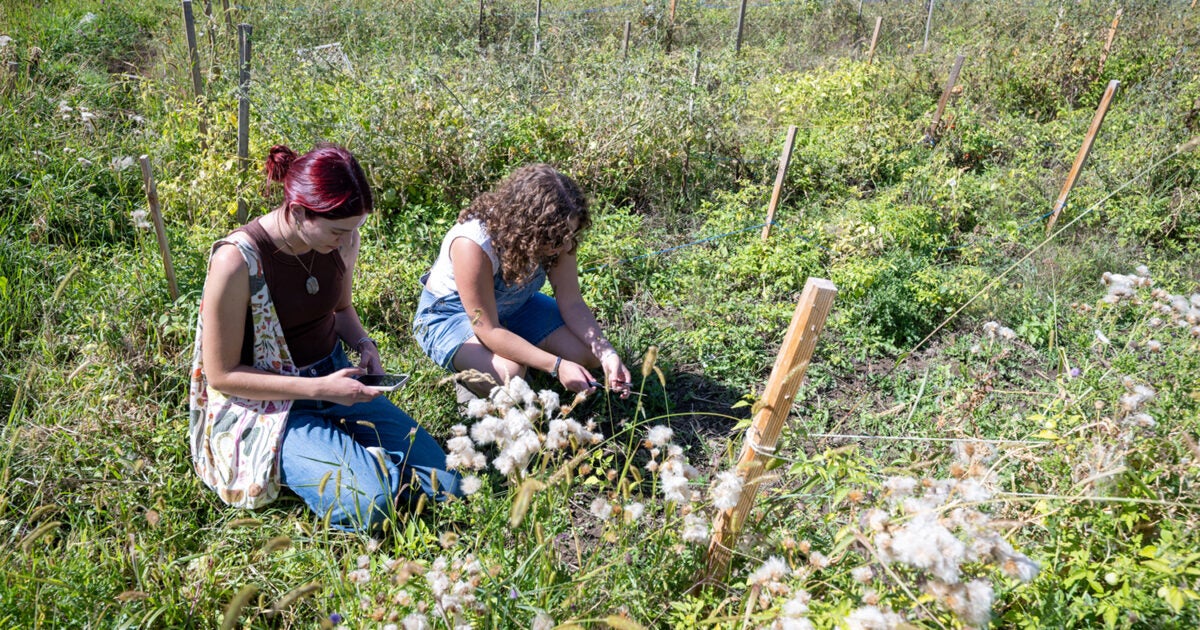
On a recent hot afternoon, students from Boise State’s environmental studies and conservation courses visited Global Gardens. This nonprofit supports farmers who arrived in the U.S. as refugees, allowing them to grow chemical-free produce for local markets and community-supported agriculture (CSAs) that deliver vegetables to weekly subscribers. They also sell produce to local restaurants and donate to food pantries.
Throughout the afternoon, students collected soil and air temperatures at one of the eight Global Garden sites in Boise. Their measurements will contribute to a growing database to help growers understand local conditions, particularly whether urban gardens can cool the soil. They are also gathering air quality data to examine the effects of urban farms and green spaces. This citizen science project, led by Associate Professor Lisa Meierotto, will develop protocols for ongoing monitoring by farmers and community members.
Discussions among students ranged from flood irrigation techniques to the benefits of enriching soil with green manure. Although the harvest was winding down for the season, the garden exhibited life with pollinators and patches of beneficial native grasses.

“I brought my students to learn more about refugee connections and access to green spaces in the city,” said Professor Libby Lunstrum. Land in Boise is valuable, and Global Gardens’ location—leased from the City of Boise—is particularly vulnerable. Meierotto and Lunstrum emphasize the importance of making students aware of who has access to land and the need to preserve spaces like this garden, which benefits new residents financially and culturally. Many growers in Global Gardens are expert farmers who also share their knowledge with the community.
Video Transcript Highlights
-
Lisa Meierotto: In the Environmental Justice class, we aim to give back to the community through citizen science. This semester, students are collecting data on air quality and temperatures to understand urban environmental conditions better. The collected data will be shared with local community partners.
-
Libby Lunstrum: I teach about biodiversity conservation, focusing on human aspects. It’s crucial for students to understand that biodiversity conservation occurs in urban spaces too. This visit helps them see the importance of green spaces for local ecosystems and diverse species.
-
Student Perspective: Being in the field and gathering data contributes to citizen science and aids the community. This experience helps raise awareness about Global Gardens and its significance for Boise’s refugee community.
This visit not only enriches students’ academic experiences but also strengthens community ties and supports essential local initiatives.


