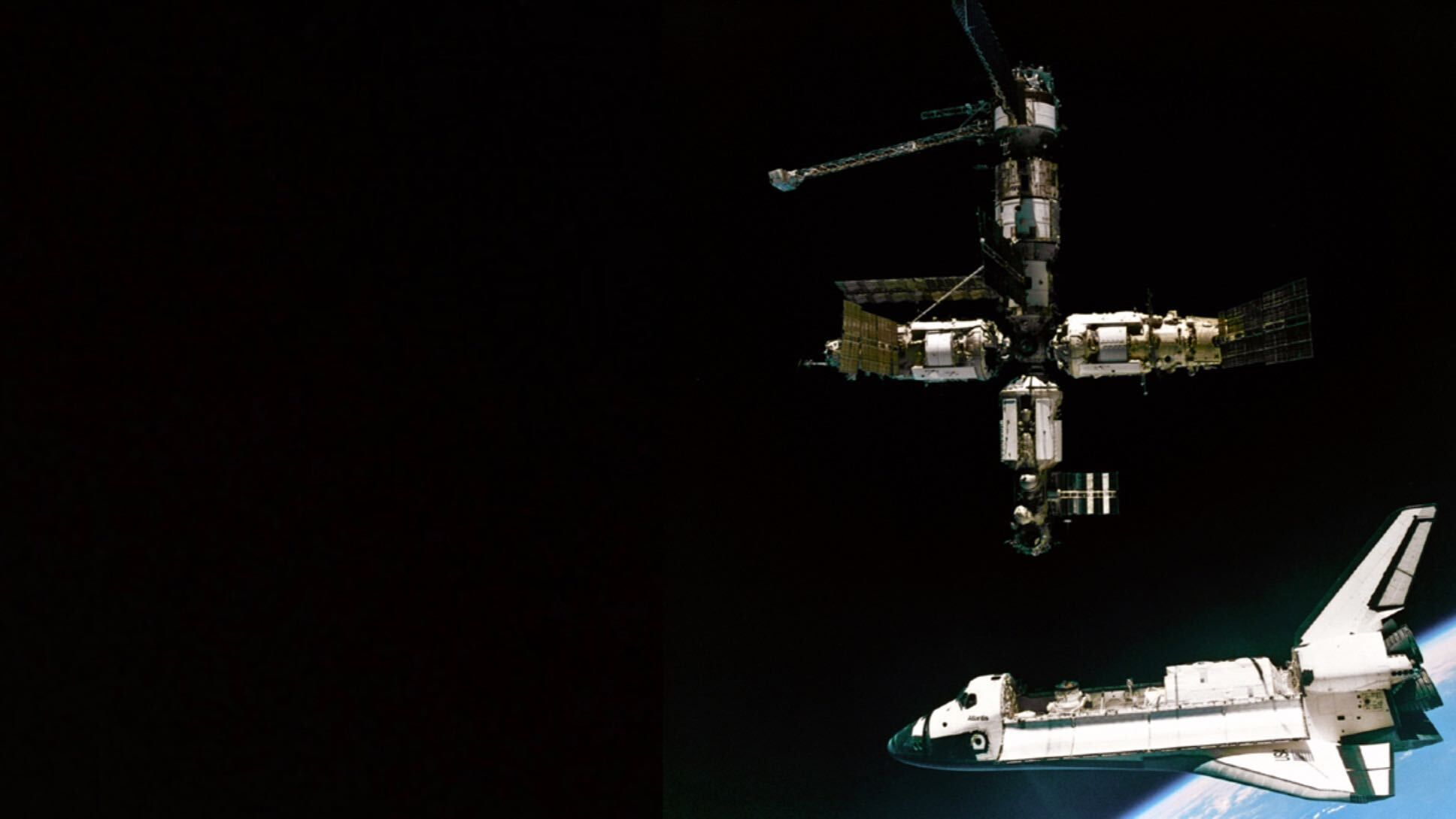
On October 6, 1992, the U.S. and Russia signed the Agreement on Human Spaceflight Cooperation, marking a milestone in international space cooperation. This agreement initiated the joint Shuttle-Mir Program, where NASA’s space shuttles transported Russian cosmonauts to the Mir space station, while American astronauts began flying on Russian Soyuz spacecraft.
The program fostered over 30 years of collaboration among numerous countries in space exploration. In the years from 1994 to 1998, ten NASA missions sent astronauts to Mir, which hosted a total of 125 crew members from 12 nations over its operational span. The Mir space station was eventually deorbited in 2001.
The following year, Russia partnered with NASA for the International Space Station (ISS) project, which has grown to include multiple space agencies and more than 15 countries. The first component of the ISS was launched by Russia in 1998, solidifying a long-standing cooperative effort in human spaceflight.


