AI Data Centers in Space: The Next Frontier
SpaceX and Alphabet’s Project Suncatcher
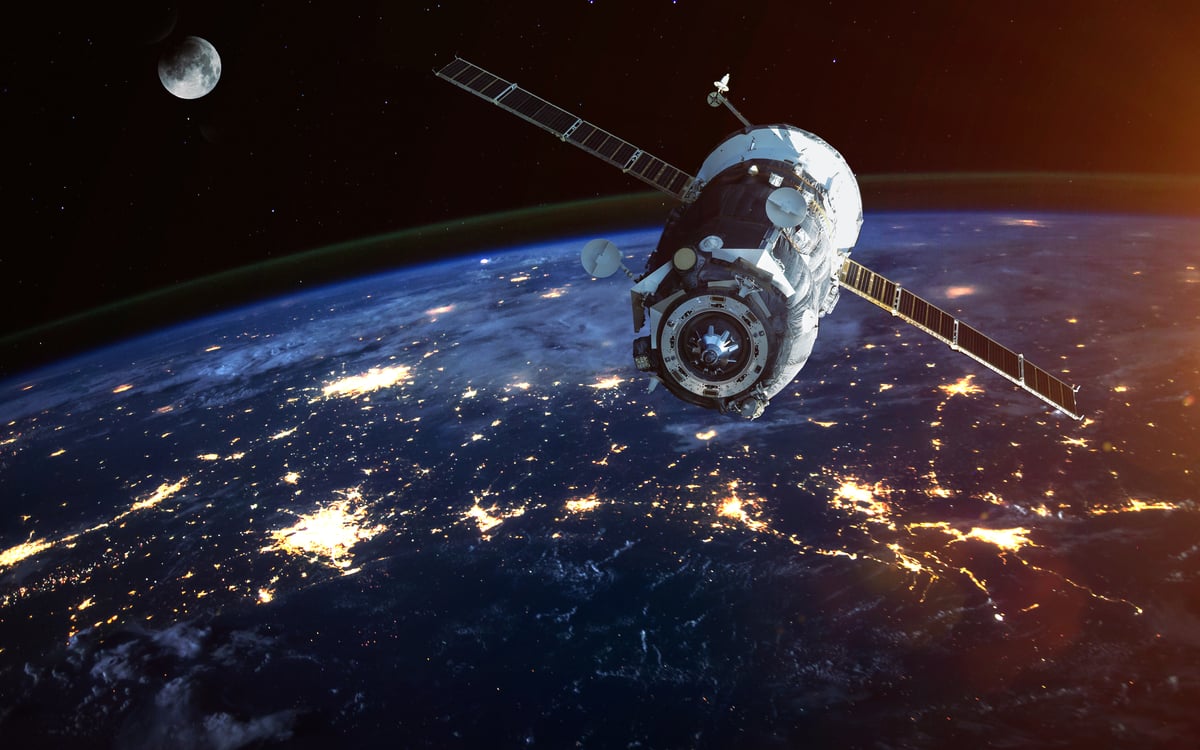
SpaceX recently launched a prototype satellite for Alphabet’s Project Suncatcher, equipping it with four Tensor Processing Units (TPUs) to test their viability in space. This initiative aims to establish a constellation of data center satellites in low Earth orbit, utilizing abundant solar power for operations.
The Earthly Data Center Market
Despite advancements in space-based technology, the demand for terrestrial data centers remains robust. Companies are rapidly constructing new facilities, aware that space-based solutions won’t entirely replace existing infrastructures.
Cost Implications of Orbital Data Centers
Implementing orbital data centers incurs high costs. While data center operators on Earth can receive components via conventional transport, sending hardware into space necessitates expensive rocket launches. Boston Consulting Group projects that satellite-based data centers will be 2.5 to 3 times more costly than those on Earth, even factoring in potential reductions in launch costs over time.
Established cloud providers like Nebius and Iren have already invested in infrastructure, positioning them as formidable competitors. Even if space-based solutions become technically viable, they may coexist with Earth-based data centers rather than replace them.
Technical Challenges of Space Operations
The launch of Google’s TPUs highlights a pivotal step towards operationalizing data center satellites. However, beyond just the chips, the complete hardware ecosystem—including server racks and power systems—must be optimized for space conditions. Elon Musk aims for operational data center satellites by 2027, but history shows ambitious timelines often face delays.
Immediate Needs of Tech Giants
While the allure of orbital data centers is strong, major tech companies need immediate computing resources for their AI initiatives. Companies like Iren and Nebius are securing contracts and scaling operations rapidly, as seen with Meta Platforms’ recent deal for a nuclear-powered data center in Ohio, set to complete by 2034.
In conclusion, while the concept of orbital data centers is exciting, the immediate future of AI infrastructure firmly resides on Earth. Current operational constraints and technological challenges ensure that neocloud companies will continue to thrive in the coming years.


