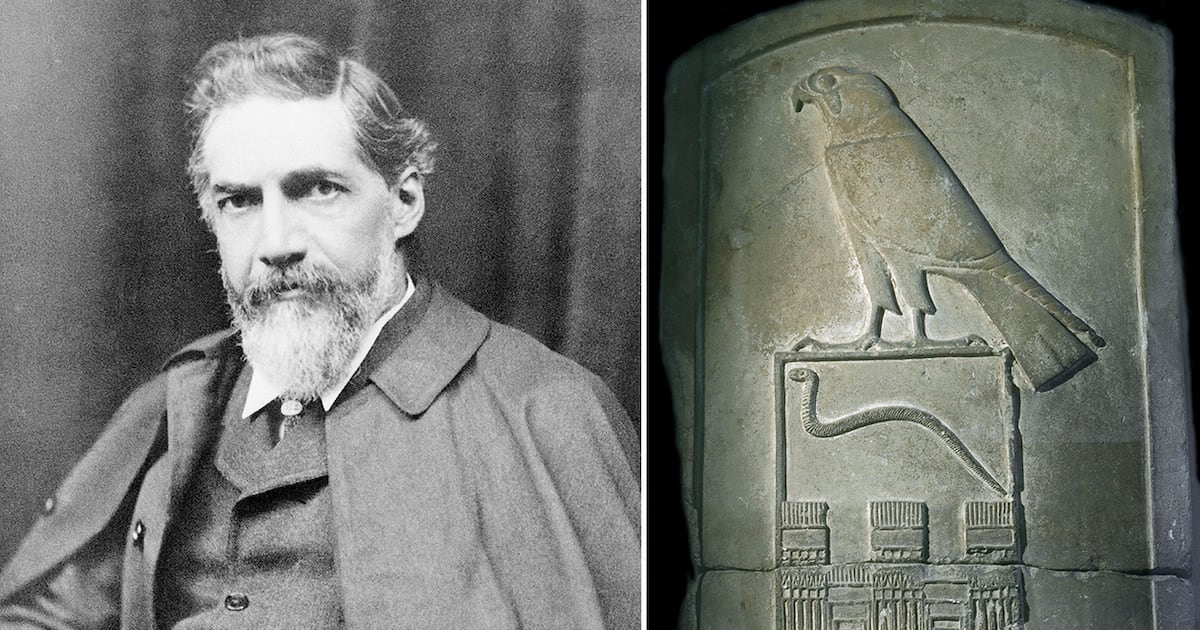
A recent study reveals that nearly 40% of royal household members buried in an ancient Egyptian king’s tomb may have been killed by intentional head trauma. This finding is based on a forensic re-examination of skulls excavated from the Abydos site in the 1920s by esteemed Egyptologist Flinders Petrie.
Petrie previously theorized about possible human sacrifices due to the high number of burials near royal tombs, but lacked concrete evidence. Now, Dr. Roselyn Campbell and her team have identified significant cranial trauma in 18 out of 46 skulls from Petrie’s collection, suggesting violent deaths likely related to ritual sacrifice.
Evidence indicates that these linear fractures, unlike those from typical accidents, imply a deliberate cause. Dr. Campbell noted that the typical injuries associated with maces would have looked different, leading to new questions about the nature of these people’s deaths and their roles as retainers—a group historically overshadowed in narratives about ancient rulers.
While some may have died naturally or through undetectable means, Dr. Campbell highlights the complexity of their sacrifices, which might have been voluntary or coerced, reflecting cultural beliefs about the afterlife and the display of power by rulers.


