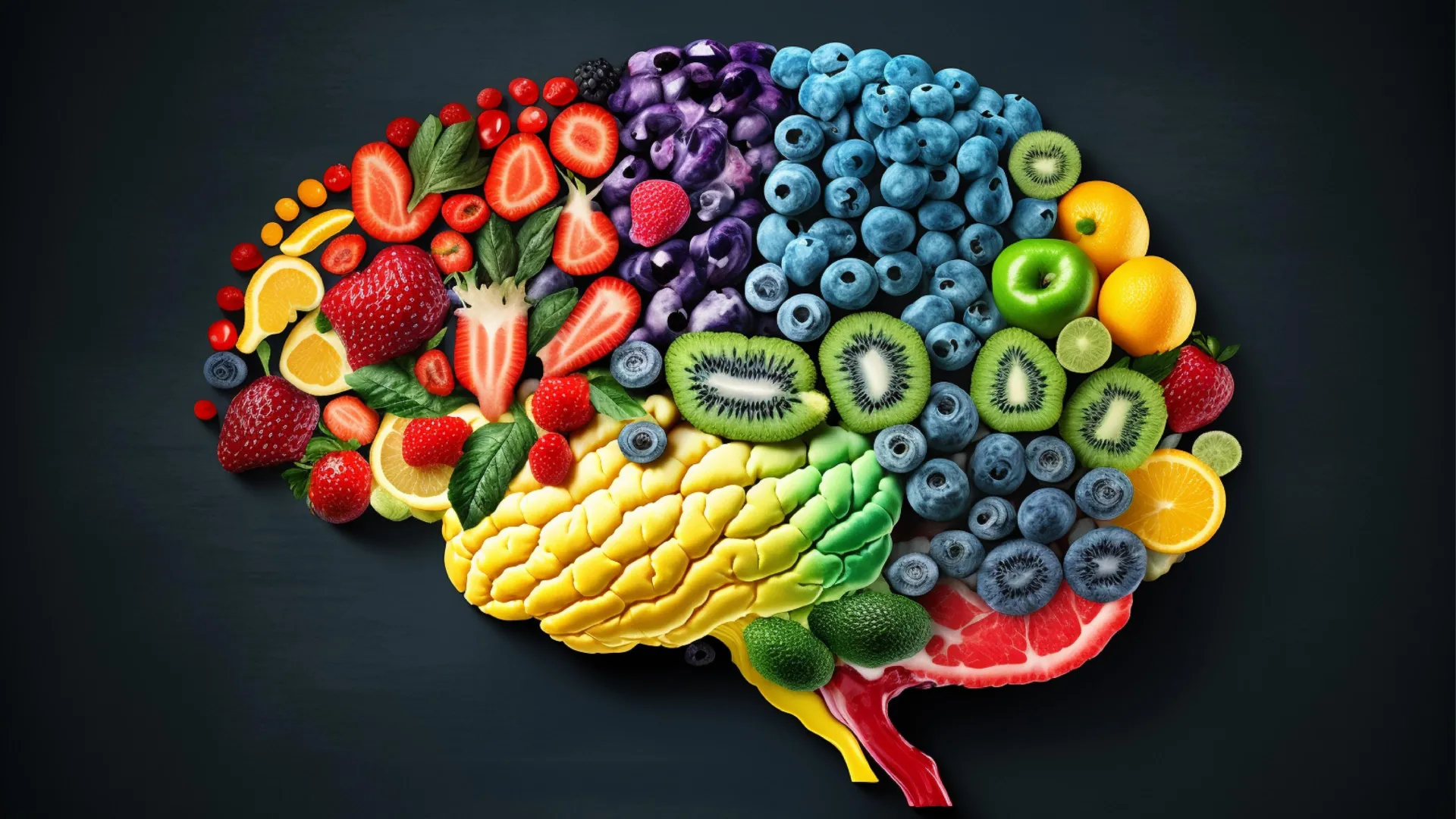
The research highlights the potential benefits of the MIND diet, which combines elements of the Mediterranean diet and a plan aimed at reducing blood pressure, in supporting brain health and slowing structural changes associated with aging. Key findings from the study include:
-
Diet and Brain Health: Greater adherence to the MIND diet correlates with slower brain tissue loss, particularly in grey matter crucial for cognitive functions.
-
MIND Diet Overview: The MIND diet emphasizes green leafy vegetables, berries, nuts, whole grains, fish, beans, olive oil, and poultry while recommending limited intake of butter, cheese, red meat, sweets, and fried foods.
-
Research Cohort: The study involved 1,647 participants from the Framingham Heart Study, with multiple health evaluations and MRI scans conducted over years.
-
Findings on Grey Matter: A higher MIND diet score was linked to a slower decline in grey matter volume, suggesting a 20% reduction in age-related decline.
-
Impact of Specific Foods: Increased intake of berries and poultry was associated with better brain health outcomes, while higher consumption of sweets and fried foods correlated with negative changes.
-
Unexpected Results: Contrary to expectations, higher whole grain intake was linked to unfavorable brain changes, while cheese intake showed protective associations.
-
Older Adults: The benefits of the MIND diet appeared more pronounced in older participants, suggesting it may be particularly relevant for those at greater risk for neurodegenerative diseases.
-
Observational Nature: While the study provides valuable insights, it cannot establish causal relationships, and findings may be influenced by other factors, including participant demographics.
In conclusion, the MIND diet may serve as a beneficial eating pattern for promoting brain health and potentially slowing neurodegeneration in older populations.


