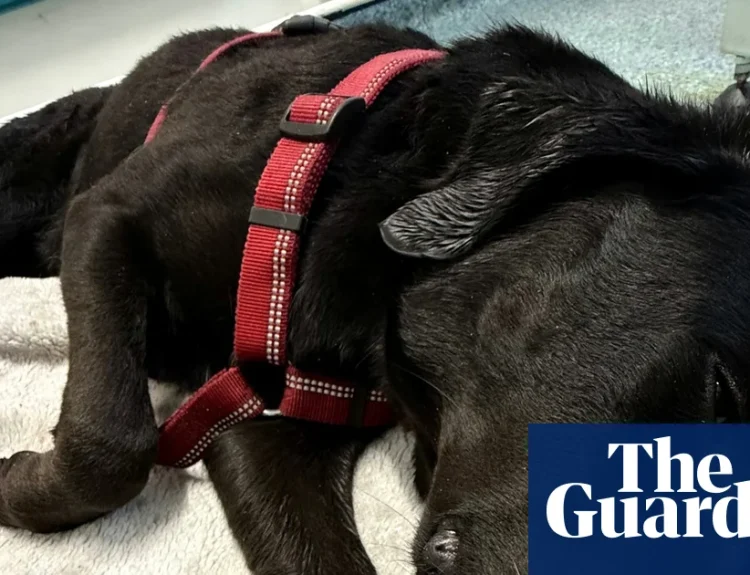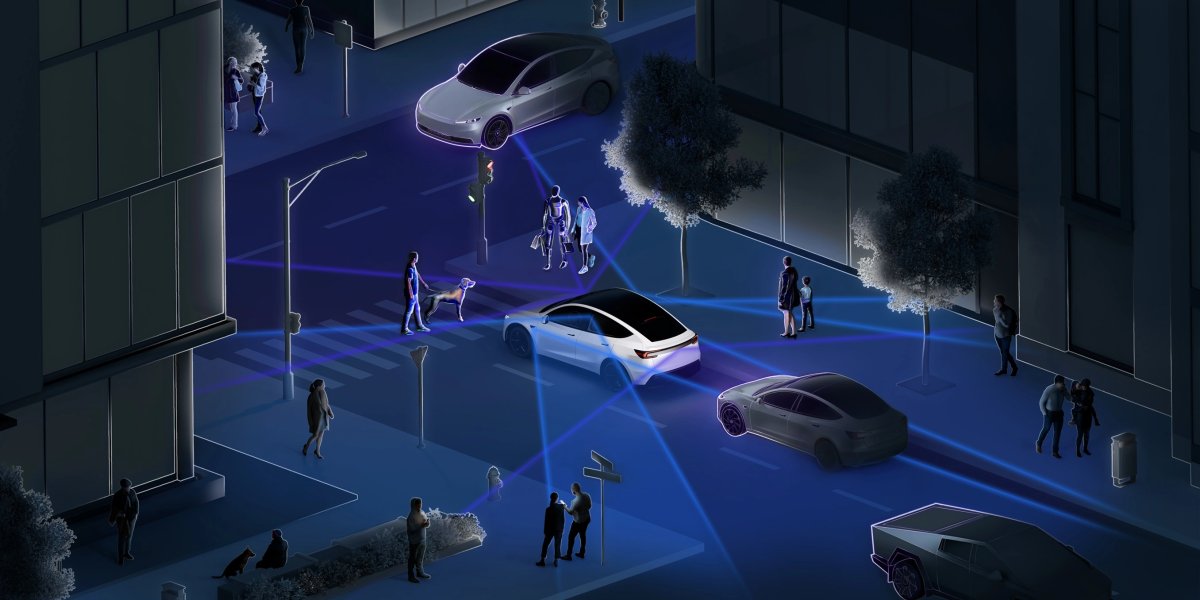
Tesla is currently focused on a unique challenge for its Full Self-Driving (FSD) technology—ensuring that vehicles can detect pets at night, particularly in low-contrast situations like “grey kittens on grey tarmac in the dark.” Elon Musk emphasized this concern as essential for making robotaxis safe for 24/7 operation.
### Why Edge Cases Matter for FSD
Musk’s recognition of this edge case highlights the necessity of preparing autonomous systems for rare, unexpected scenarios—not just everyday driving. Training the software to recognize and respond to nearly invisible objects is vital for achieving near-total safety and reliability.
Musk has resisted the idea of incorporating additional hardware, such as thermal cameras, believing that existing cameras can efficiently analyze low-light conditions when complemented by AI. This suggests a strong confidence in the software’s ability to manage varying levels of visibility.
### Importance of FSD v15 and Robotaxi
As Tesla prepares to release FSD v15, which significantly boosts the neural network’s capabilities, there is excitement about unlocking 24/7 commercial robotaxi operations. This update, moving from one billion to around ten billion parameters, is expected to enhance the vehicle’s real-time decision-making to address challenges such as the pet detection issue.
The upcoming rollout of FSD v15 is critical for Tesla’s growth strategy as it plans to expand its robotaxi network and improve service areas. Success in reliably identifying and avoiding animals at night will be crucial in justifying this expansion and ensuring safety for users.
With the programmed increase in operating hours and the enhancements expected from FSD v15, the coming weeks will be telling in determining how well Tesla can adapt its robotaxi fleet to nighttime challenges.