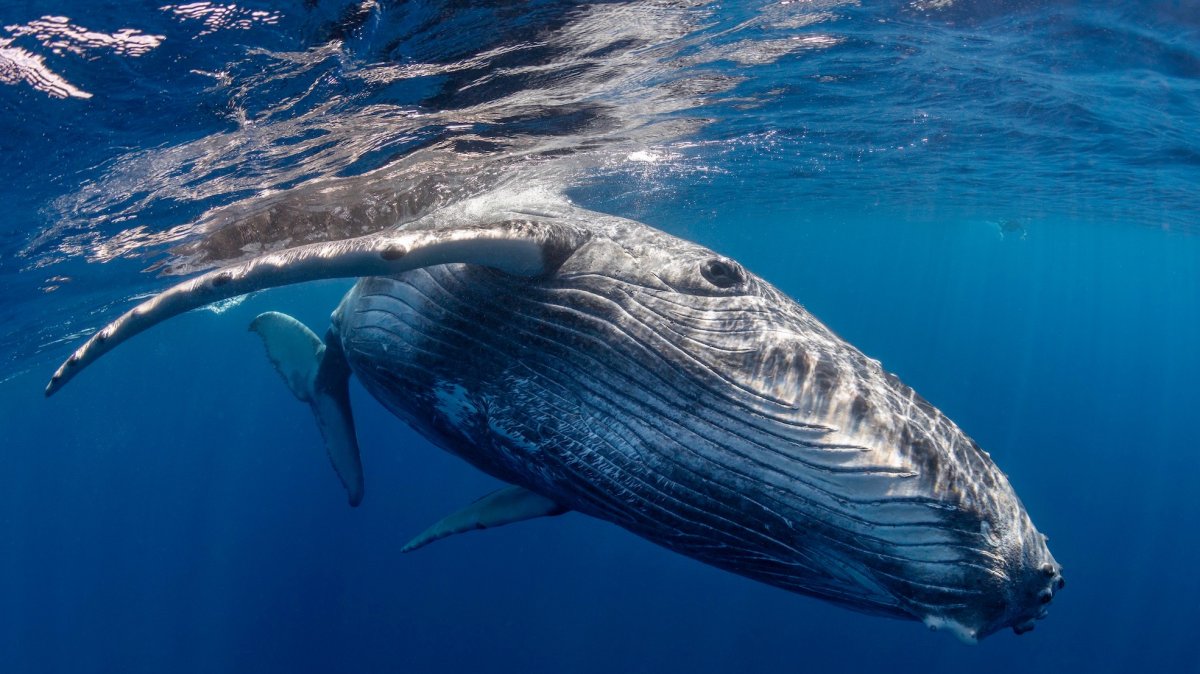
This article discusses the impact of underwater noise pollution on marine life, particularly whales, and presents an innovative solution for mitigating this issue.
Key Points:
-
Underwater Noise Pollution:
- Human-made sounds from shipping, mining, and oil rigs have significantly altered ocean acoustics.
- Whales rely on sound for communication, and increased noise levels hinder their ability to mate, forage, and navigate.
-
Effects on Whales:
- Research indicates that noise increases reduce orca foraging success and disrupt communication.
- Constant noise resembles a jackhammer to whales, making it difficult for them to thrive.
-
Culprit: Cavitation:
- Cavitation, caused by fast-spinning boat propellers creating tiny bubbles, is a primary source of underwater noise.
-
Innovative Propeller Design:
- Sharrow Marine has developed a new propeller design with looped blades that reduces cavitation, thereby minimizing noise.
- Testing shows a reduction in underwater noise by up to seven decibels, particularly in frequencies used by whales.
-
Real-World Testing:
- Collaborations with organizations like Ocean Alliance have demonstrated that boats using these propellers are quieter and more fuel-efficient.
- Initial tests show that quieter vessels may allow researchers to get closer to whales without disturbing them.
-
Broader Implications:
- While this innovation holds promise, multiple strategies are needed to address noise from the vast number of vessels in the ocean.
- Environmental advocates suggest slowing vessels and adjusting shipping routes to balance marine life and shipping efficiency.
-
Potential for Change:
- There is evidence that reducing noise pollution can have immediate positive effects on whale communication and behavior, as seen during the COVID-19 lockdowns.
- Individual consumer choices, like supporting local products, can also indirectly reduce ocean noise pollution.
Conclusion:
Improving propeller technology, alongside broader efforts to manage shipping noise, can contribute significantly to creating a quieter, more hospitable environment for marine organisms.


