Key Findings on Infection-Related Cancer Burden
1 in 8 Cancer Cases Linked to Infections
A recent study published in The Lancet Oncology reveals that approximately 12% of cancer cases could be attributed to infections from viruses, bacteria, and parasites. This represents about 2.3 million new cancer cases expected in 2024.
Major Cancer-Causing Pathogens
The study evaluated 12 pathogens associated with cancer, highlighting that just four pathogens account for 92% of infections-related cancers:
- Helicobacter pylori: 760,000 cases (mainly gastric cancer)
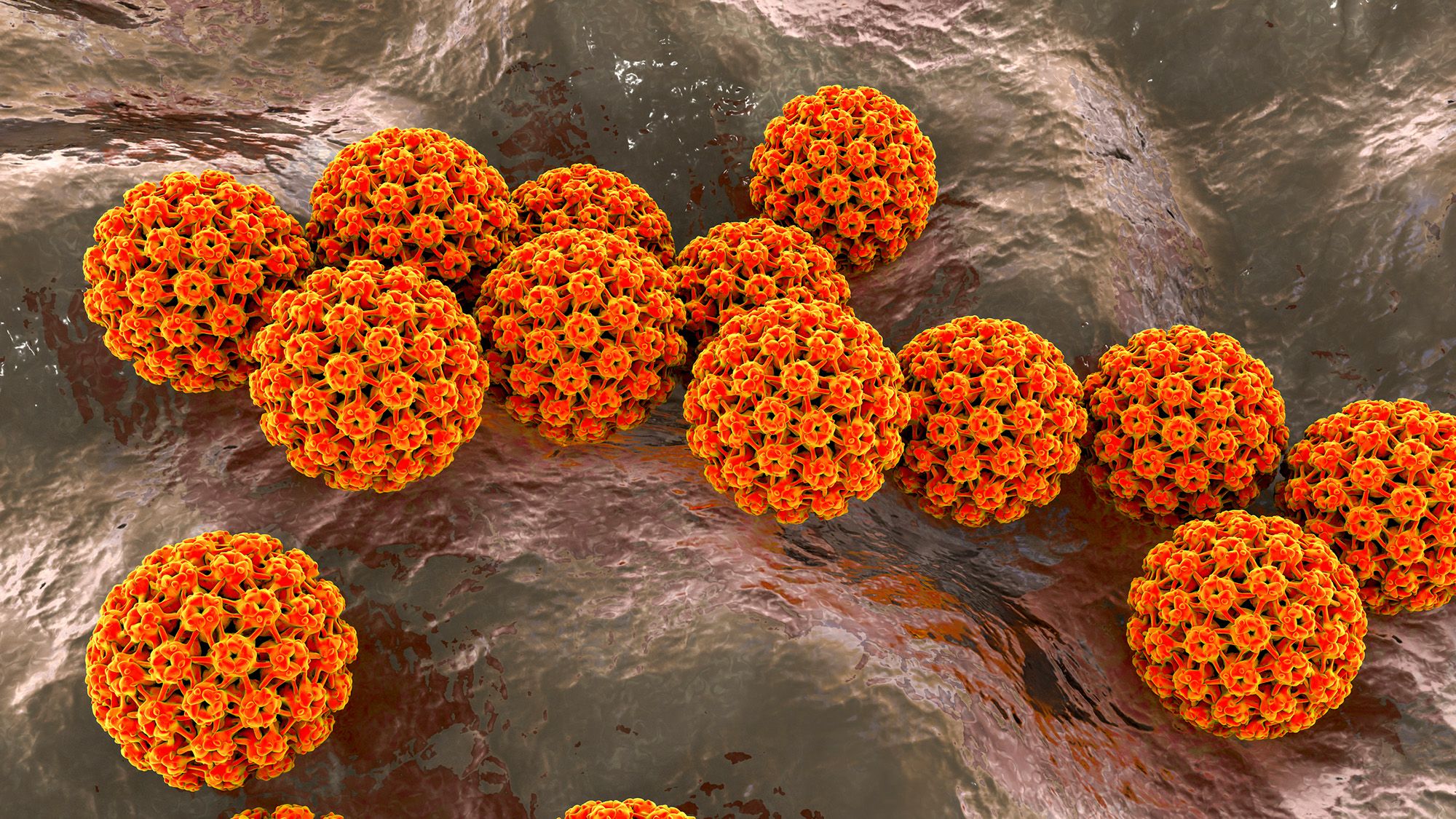
- Human Papillomavirus (HPV): 750,000 cases (cervical, penile, throat, mouth)
- Hepatitis B virus: 360,000 cases
- Epstein-Barr virus (EBV): 260,000 cases
Importance of Prevention
Dr. Prashant Mathur stresses that significant portions of cancer cases can be prevented through infection control, alongside addressing risk factors like tobacco use and poor diet. It is estimated that 50-60% of cancer cases in India are preventable with improved prevention strategies.
Global Disparities in Vaccine Coverage
Despite the effectiveness of vaccines like the HPV and Hepatitis B vaccines, global coverage remains low. For instance, only 31% of eligible adolescent girls received their HPV vaccine in 2024, well below the 90% target. Countries with higher vaccination rates have seen dramatic decreases in cervical cancer cases.
Challenges in Vaccine Distribution
The burden of vaccination is particularly heavy on low- and middle-income countries, which account for 77% of infection-driven cancers. This is compounded by barriers such as misconceptions about vaccine necessity.
Future Directions
While HPV and Hepatitis B vaccines are crucial, a vaccine for EBV is still in development. Effective strategies to combat H. pylori infections are also being explored to reduce gastric cancer rates.
Conclusion
Strengthening preventive healthcare measures not only improves public health outcomes but also offers significant economic benefits. Investing in prevention could yield a higher return in healthcare cost savings compared to treatment innovations.
This summary emphasizes the study’s findings and the importance of vaccination and prevention strategies in reducing cancer incidence linked to infections.


