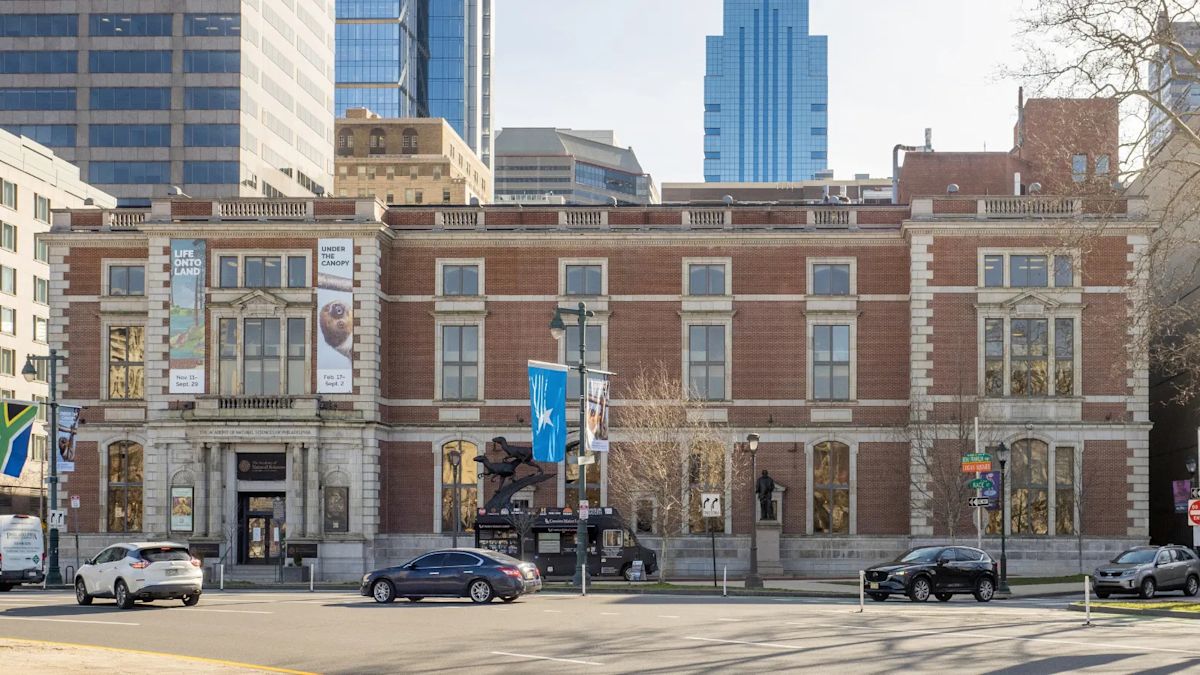
Closure of the Academy of Natural Sciences in Philadelphia
Generations of Philadelphia families have visited the Academy of Natural Sciences to marvel at dinosaurs, dioramas, and global specimens. However, the museum’s doors have now closed to the public for good.
Final Day of Operation
The Academy welcomed visitors for the last time on Sunday, September 27, officially closing its public operations on September 30. This marks the end of a public service that began in 1828, even though the institution itself was founded by seven naturalists in 1812 to advance scientific discovery.
Continuing Research and Collections
While the museum is closing, the Academy itself is not shutting down completely. Drexel University has confirmed that scientific research and stewardship of the Academy’s collections will continue.
Reasons for Closure
Leaders from Drexel and the Academy announced the closure on September 1, citing changing attendance habits post-COVID-19 and rising operational costs. They concluded that maintaining the museum in its current form was straining the resources necessary for research and preservation.
The Academy holds over 19 million biological specimens, fossils, and archives, which support vital research on biodiversity, evolution, and environmental change. There may be potential for public access to parts of the collection in the future, as plans are being explored for financially sustainable ways to maintain science education and display collections.
Community Response and Future Considerations
The decision has sparked protests and discussions within Philadelphia. Notably, about 8,000 visitors came on the Saturday before the museum closed. The issue has also reached City Hall, with the Philadelphia City Council holding hearings to examine the closure’s impact and explore options for public access.
With the public galleries that opened in 1828 now closed, the Academy has committed to continuing its scientific work while contemplating what public engagement might look like in the future.


