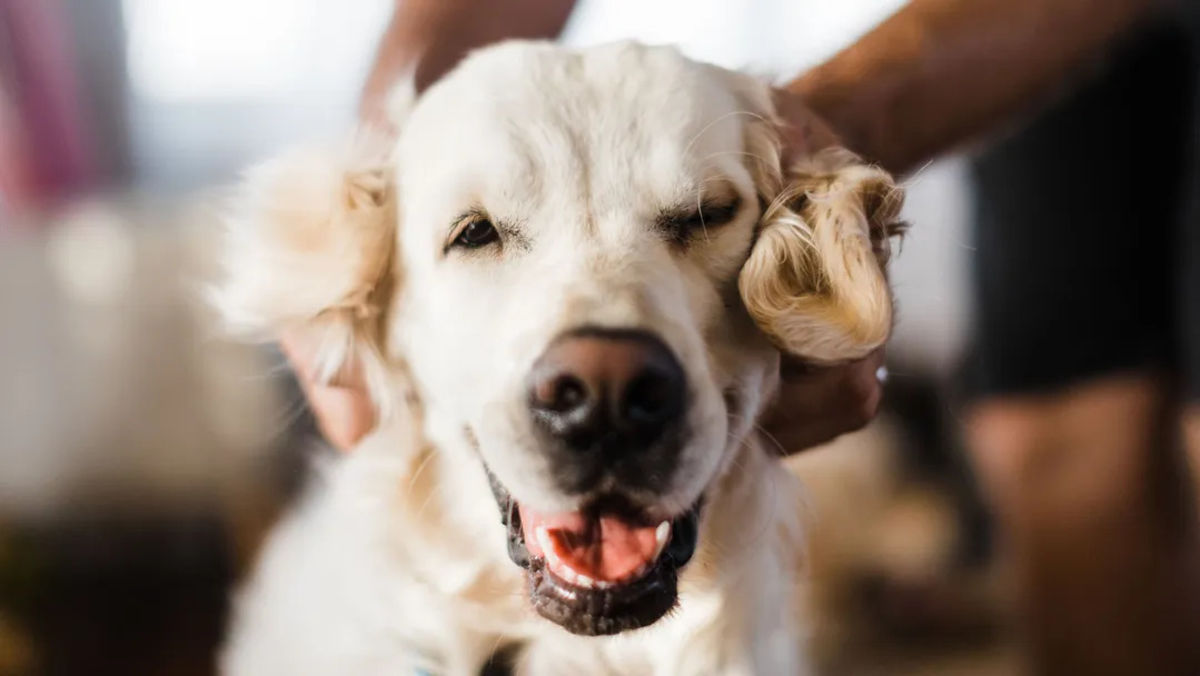
Understanding Pet Communication
It’s fascinating how our pets express their love and needs without using words. While your dog may not say “I love you,” their wagging tail and affectionate demeanor say it all. Here’s a guide to understanding these expressions and enhancing your bond with your furry friends.
Do Animals Understand More Than We Think?
Animals are incredibly perceptive. Experts affirm that they assess our behaviors, commands, and situations far more than we might realize. Research shows that dogs can interpret facial expressions and tone of voice, understanding us in unique ways. Cats, contrary to their aloof reputations, engage with our voices more than we assume.
The Power of Nonverbal Communication
Communication is not solely verbal; it heavily relies on nonverbal cues. Here are some tips to enhance your bond through better communication:
- Observe Before Acting: Take the time to understand your pet’s body language and expressions.
- Talk It Out: Maintain a soothing tone, especially in moments of discomfort.
- Clarify Expectations: Be consistent with rules and commands to avoid confusion.
- Simplify Commands: Use straightforward verbal cues that your pet can understand.
- Use Calm Body Language: Avoid sudden movements that might frighten your pet.
- Set Boundaries: Respect your pet’s personal space and feelings.
- Avoid Abusive Behavior: Never resort to yelling or physical harm.
- Practice Patience: Building a strong bond takes time; focus on positive reinforcement.
The Importance of Tone and Rhythm
Animals are sensitive to vocal tone and rhythm. A higher pitch often captures their attention better. When training your pet, draw out your commands with a calm and friendly tone to ensure they understand you.
Conclusion
The bond with your pet is one of life’s greatest treasures. The love you give will return multiplied, manifesting in joyful tail wags and playful nudges. Treat your pets with kindness and respect, and the connection you share will be invaluable.


