Paramount and Warner Bros. Merge Under New Name: Skydance
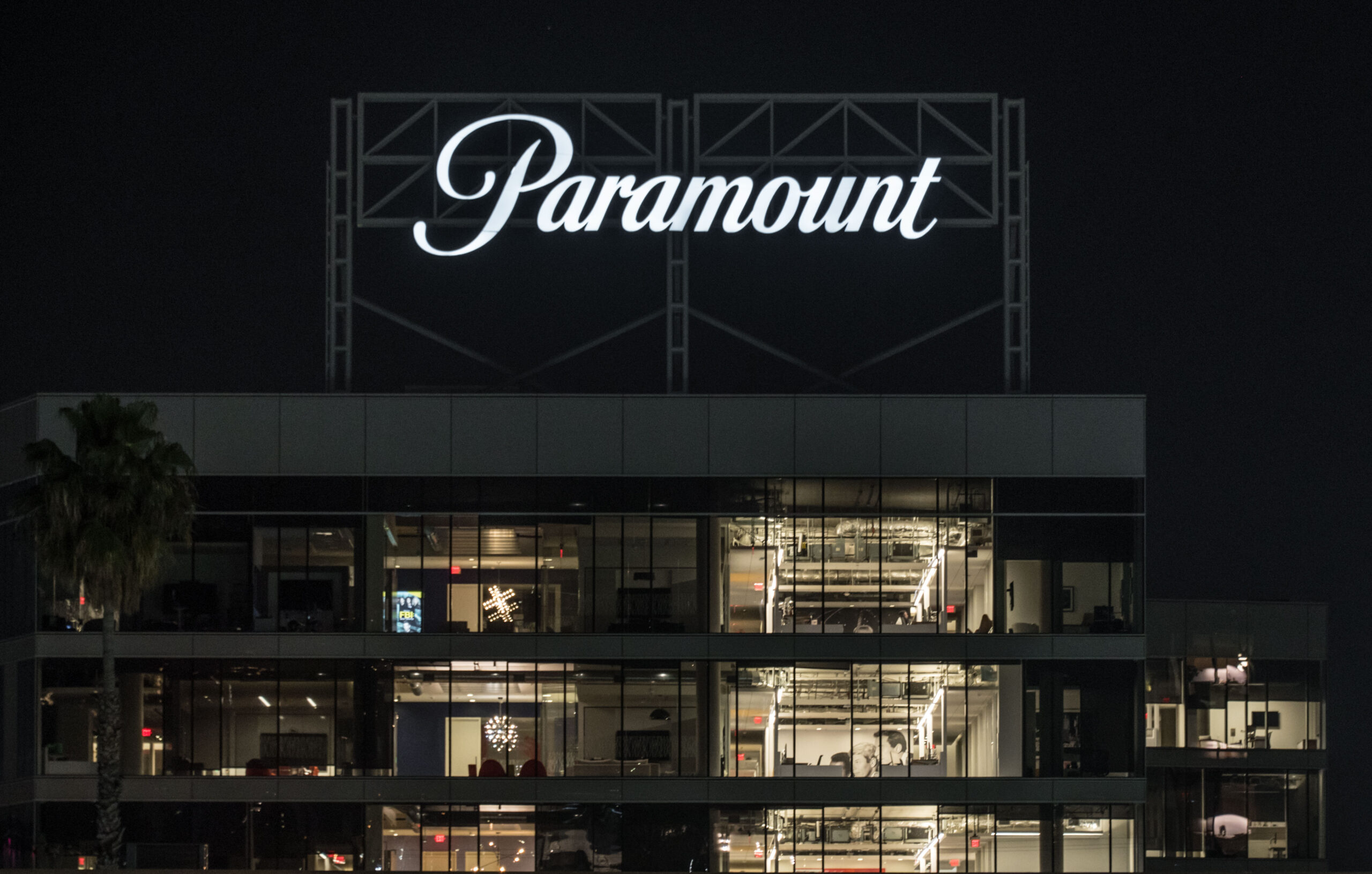
On October 6, Paramount and Warner Bros. Discovery are set to finalize their monumental $111 billion merger, creating a unified corporate entity known as Skydance. This merger combines some of Hollywood’s most storied studios, their streaming platforms, and a wide range of television networks and entertainment ventures.
A New Identity
The announcement of the new corporate name, Skydance, was made by the company’s founder and CEO, David Ellison. While Paramount and Warner Bros. will remain as the recognizable names associated with the films and shows they produce, Skydance will serve as the overarching corporate identity. This move aims to honor the legacies of both studios while forging a new path forward.
Ellison stated, “Paramount and Warner Bros. shaped over a century of culture.” He emphasized that the merger is not about rewriting history but about equipping these iconic studios with a more significant creative engine. This shift reinforces the idea that storytelling—rather than scale—lies at the heart of the new corporate identity.
The Bigger Picture
Though Skydance is a new name, it symbolizes a larger narrative focused on creativity and quality storytelling. The newly merged entity will benefit from an extensive catalog of intellectual property, multiple streaming platforms, and various television businesses while managing a staggering debt of over $80 billion.
Ellison’s vision for Skydance includes ambitious goals, driven by passion and imagination. He indicated that Paramount and Warner Bros. now have enhanced opportunities to convey more compelling stories to larger audiences, leveraging the scale and resources of Skydance.
Implications of Consolidation
However, as with any merger, questions arise concerning the impact on creativity and diverse storytelling. A more substantial company can allocate more resources to successful franchises, but it can also centralize decision-making, which may limit the kinds of stories being told. The balance between maintaining diverse voices and pursuing lucrative projects will be crucial.
Ellison’s focus on creativity amidst these financial realities suggests an intent to prioritize innovative storytelling. The effectiveness of this approach will ultimately depend on the decisions made post-merger regarding which projects receive funding and support.
Conclusion
As Skydance takes shape, it represents a new chapter while preserving the recognizable identities of Paramount and Warner Bros. The true test will be in how this merger unfolds, particularly in fostering an environment that nurtures creativity and diverse narratives in the entertainment landscape.