Transcript Summary: SpaceX Developments
Speaker A:
- Discusses SpaceX’s significant recent activities, including three major launches.
- Highlights that Starship deployed satellites, achieving low Earth orbit.
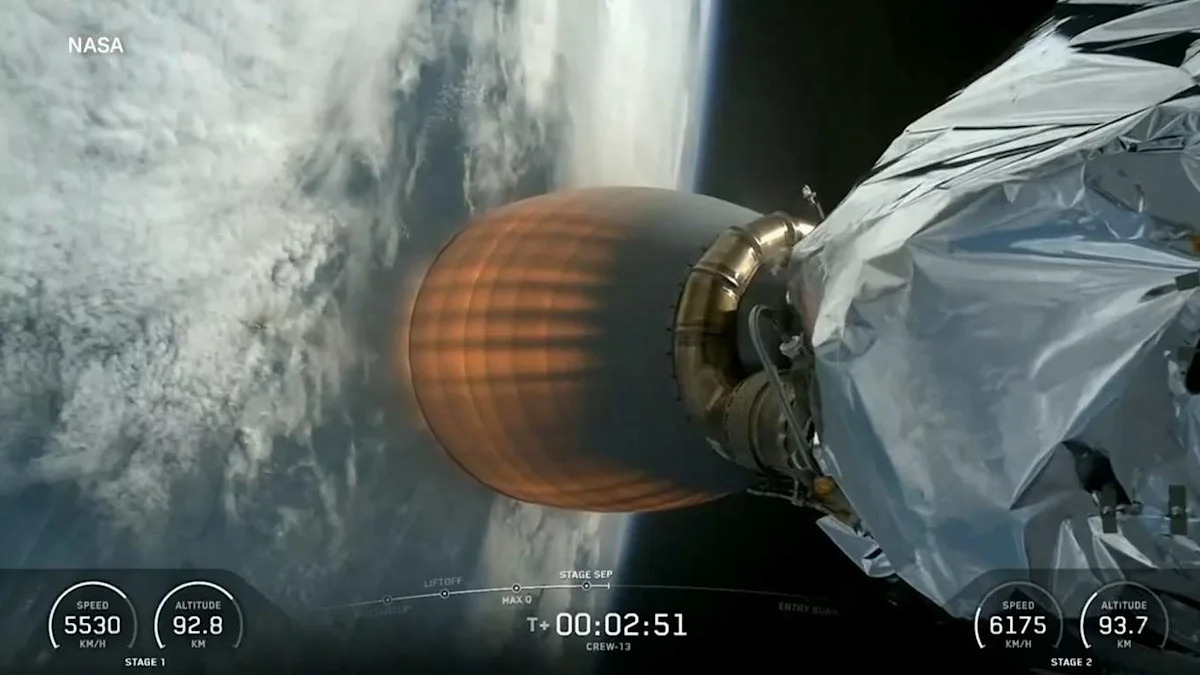
- Mentions a Dragon capsule launched to the ISS, setting a record for the fastest trip (8 hours).
Speaker B:
- Clarifies the actual duration of the trip (approximately 8.5 hours), noting a reduction from the previous 12.5-hour record.
Speaker A:
- Elaborates on launch dynamics, touching on the Earth’s rotation and location of the ISS.
- Refers to a SpaceX VP mentioning the successful launches of both Starship and Dragon, as well as a Falcon Heavy mission carrying Google AI chips.
Speaker C:
- Comments on the challenges of deploying data centers in space, indicating the need for extensive testing and understanding of heat dissipation.
Speaker A:
- Discusses misconceptions about cooling in space and the necessity of radiators for heat management.
Speaker B:
- Explains the physics behind molecular movement in space and the relevance for satellite operations.
Speaker C:
- Addresses the economic considerations of bringing solutions to space regarding cooling systems.
Speaker A:
- Notes the heavy nature of satellites and the importance of Starship for high-capacity launches.
Speaker B:
- Mentions Musk’s ambitious launch targets, while recognizing the current limitations in launch frequency.
Speaker A:
- Points out that achieving frequency in launches can improve economic viability.
Speaker B:
- Concludes by emphasizing the role of reusability in SpaceX’s strategy to enable multiple launches within short timeframes.
This summary encapsulates the key points made by the speakers about SpaceX’s recent launches, challenges in space technology, and economic implications.


