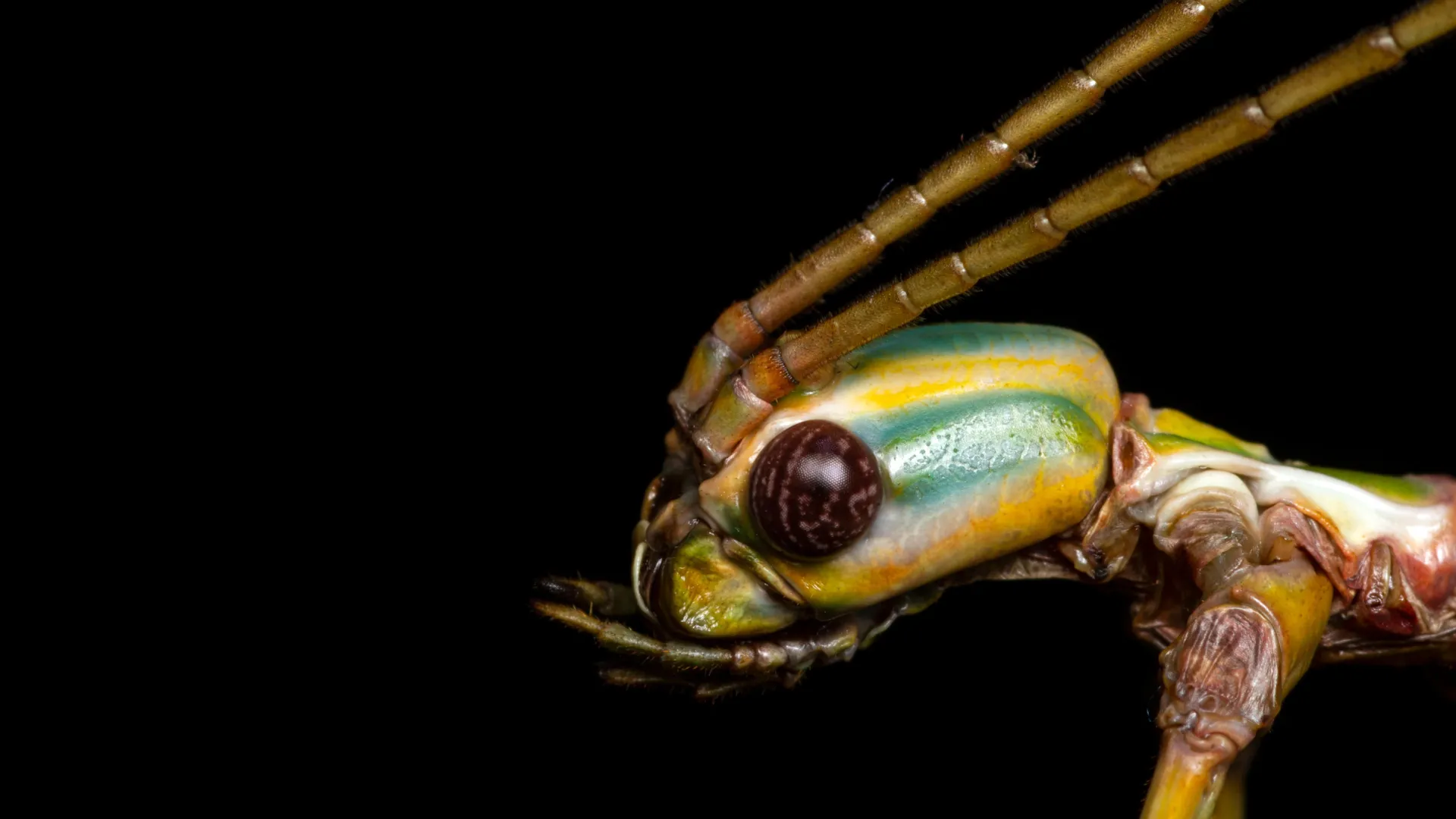
Discovery of New Stick Insect Species in Australia
Recent research by a team at the University of Sydney has uncovered two new species of large stick insects in Australia, demonstrating that even in well-studied regions, new species await discovery.
Key Findings:
- The study focused on the genus Anchiale, revealing that what was previously thought to be two species is actually five distinct species spanning regions from northern NSW to tropical northern Australia.
- The researchers also identified a species that had been unrecognized for decades, dubbed Anchiale robusta, and described Anchiale mabiensis, found in the Mabi rainforest.
Unique Characteristics:
- One of the new species produces eggs with a unique lidlike structure, a first for stick insects.
- Stick insects typically exhibit remarkable camouflage and can match their surroundings through color changes, aiding in their defense mechanisms.
Ecological and Practical Implications:
- The findings may influence forestry and agriculture by helping identify stick insect species that can reach plague-like populations and damage vegetation.
- The study highlights how much of Australia’s insect biodiversity remains undocumented, emphasizing the importance of ongoing research and conservation efforts.
Dr. Braxton Jones, the lead researcher, likened taxonomy work to detective work, revealing new species even among commonly studied insects. The study, funded by various Australian institutions, reinforces the urgency of protecting biodiversity in threatened ecosystems.
The research findings are detailed in the journal Austral Entomology.


