Book Reviews Overview
Here’s a roundup of intriguing new books covering diverse topics from artificial intelligence to family dynamics, all designed to broaden your understanding of the world.
1. The AGI Chronicles by Kevin Roose
A deep dive into the race for artificial superintelligence, this book compiles insights from over 150 interviews with leaders at tech giants like OpenAI and Google DeepMind. It presents a gripping narrative on one of the most significant technological pursuits of our time.
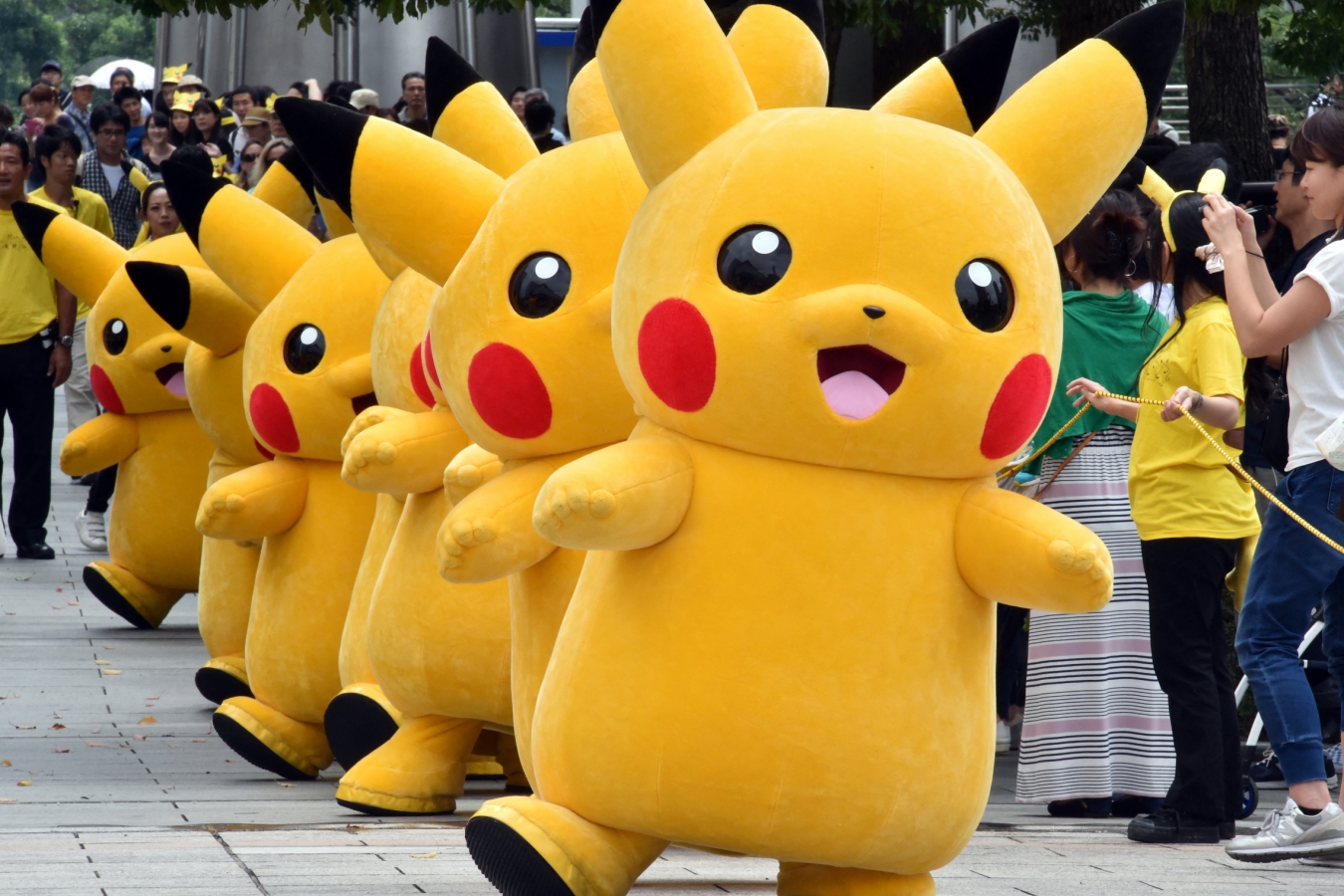
2. How Many Pikachus to Power a Lightbulb? by Tom Crawford
Blending math with pop culture, Crawford tackles playful yet thought-provoking questions about fictional characters and their abilities. This unique exploration promises to engage both math enthusiasts and casual readers alike.
3. Minds I’ve Met by Frans de Waal
Posthumously published, this book challenges the notion of human exceptionalism. De Waal argues for recognizing the cognitive and emotional capacities of animals, advocating for a deeper understanding of their complex lives through scientifically backed anecdotes.
4. Hyperscale by Paris Marx
Marx examines the environmental costs of artificial intelligence, specifically the unsustainable demands of data centers. This book presents a critique of tech companies and the systemic issues tied to our increasing reliance on AI.
5. Food Sense by Christopher Gardner
A comprehensive guide to nutrition, Gardner presents scientific evidence to counter health fads and offers practical advice on eating well. This book is set to debunk myths and provide clarity amidst a confusing dietary landscape.
6. Why We Ask Why by Tania Lombrozo
Delving into our innate curiosity, Lombrozo explores the psychology behind our drive for explanations. She investigates the significance of questions in human learning and development, posing intriguing thought experiments throughout.
7. How We Turned Children into Data by Cherry Casey
This exposé critiques the commercialization of childcare and education in the UK, emphasizing the negative impact on children’s well-being. The book questions the ethics of a system focused on profit over nurturing.
8. The Science of Loss by Kate Clancy
Clancy confronts the often-taboo subject of pregnancy loss, advocating for compassionate and fact-based narratives surrounding this experience. Her anthropological background enriches the discussion of societal myths and realities.
9. The Underwater War by Elisabeth Braw
Braw’s examination of underwater cables reveals the often-overlooked geostrategic vulnerabilities in global infrastructure. This timely book highlights the threats these critical resources face from state and non-state actors alike.
10. Botanica Fantastica by Alison Flood and Emma Tudor-Bloch
A visually stunning exploration of fictional plants in literature, this collaboration dives into the fantastical flora found in fantasy and sci-fi, blending expert analysis with artistic illustrations.
11. Family by Meredith Small
Small investigates the anthropological foundations of family across cultures, examining how our need for belonging shapes human interactions. This book promises insights into both the structure and significance of family life.
These titles offer a mix of engaging narratives, scientific insights, and cultural critiques, catering to a range of interests and providing fertile ground for further exploration.


