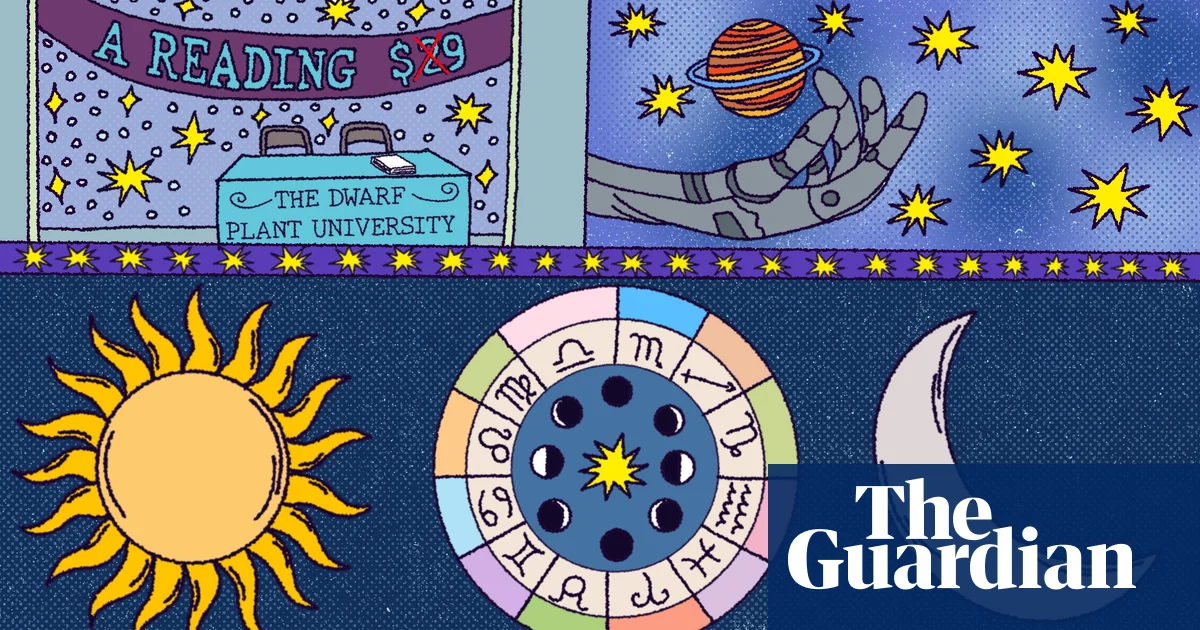
The article delves into the vibrant world of astrology as observed at the United Astrology Conference in Chicago, unveiling its transformation from a niche interest to a $15 billion industry. While modern astrology has gained mainstream traction—30% of American adults reportedly consult astrology at least once a year—its embrace in popular culture hasn’t settled its internal complexities.
Astrology’s appeal lies in its ability to resonate with individuals on a personal level, drawing them into deep conversations about identity, destiny, and purpose. Yet, factions exist within the community, debating methods, traditions, and the ethics of interpretation. Some practitioners acknowledge that astrology offers therapeutic benefits, providing a framework to navigate chaos and uncertainty in life.
Eminent astrologers, like Mark Jones and Chani Nicholas, illustrate diverse perspectives—ranging from questioning the literal realities of astrological predictions to framing astrology as a tool for social change and justice. As technology advances, including AI, the field grapples with maintaining authenticity and expertise in the face of accessibility.
Ultimately, astrology serves as both a historical and evolving practice, reflecting human curiosity and the desire for connection with the cosmos. In a world of chaos and change, astrology continues to be a lens through which many seek understanding.


