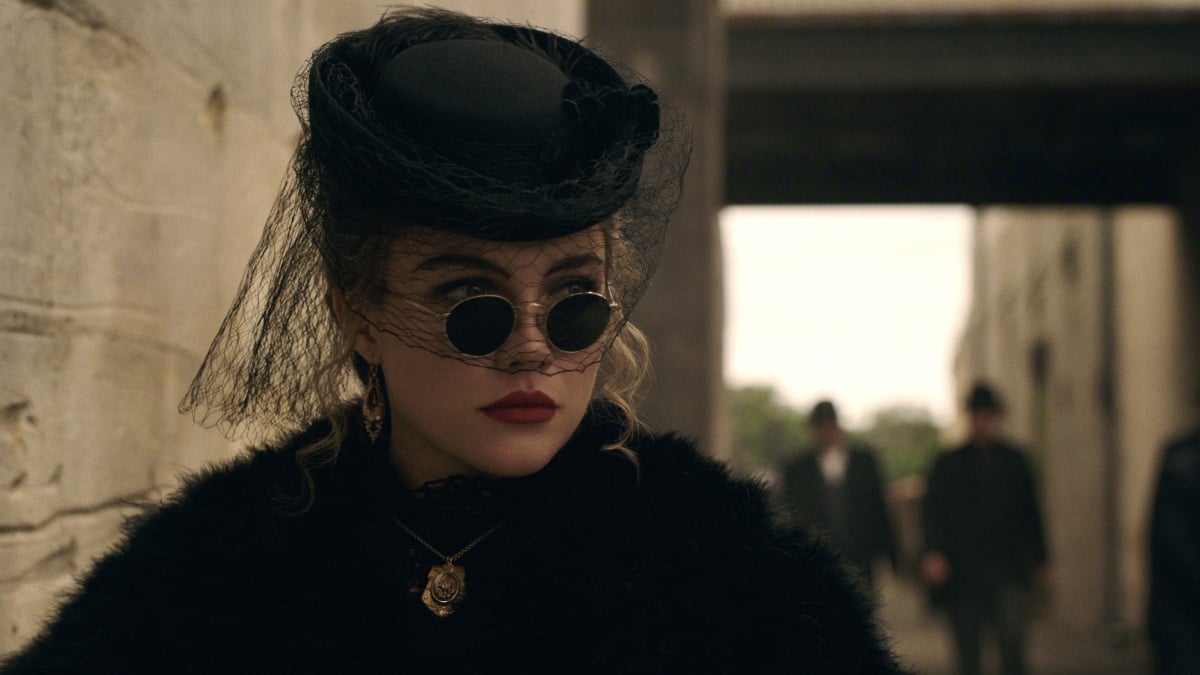
The Netflix adaptation of John Steinbeck’s East of Eden, scripted and produced by Zoe Kazan, has sparked a mix of anticipation and concern among fans. The adaptation focuses on Cathy Ames, played by Florence Pugh, who is framed as an “antihero”—a characterization many believe misrepresents her role as one of literature’s most notorious villains.
In the original novel, Cathy is presented as a malevolent figure, responsible for heinous acts, including murdering her parents and abandoning her children. Critics worried that the adaptation might soften her character into a misunderstood figure. However, early reviews suggest that while the series provides depth to Cathy, it maintains her status as a villain without shying away from her dark deeds.
Florence Pugh’s portrayal captures Cathy’s chilling duality—her sinister nature and her moments of vulnerability. The series opens with a harrowing scene that invites viewer sympathy, complicating our understanding of Cathy as both a victim of trauma and a perpetuator of evil. The narrative explores her quest for power and control, highlighting the tragic motivations behind her actions.
Kazan’s adaptation seeks to balance Cathy’s history of trauma with her malevolence, aligning more closely with Steinbeck’s exploration of good and evil. Ultimately, the series appears to neither condone nor excuse Cathy’s actions but rather invites a nuanced discussion surrounding her character’s complexity. Slated for release, East of Eden promises to generate conversations around morality, choice, and the human capacity for darkness.