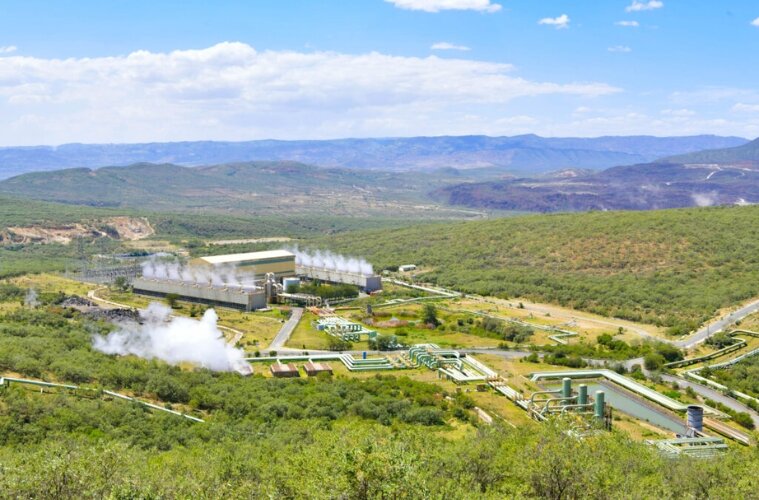
The International Energy Agency (IEA) has highlighted the significant water dependency of Kenya’s geothermal energy sector in its recently released National Climate Resilience Assessment. Four geothermal plants based in Olkaria, which collectively constitute nearly half of Kenya’s geothermal capacity, rely on cooling water from Lake Naivasha in Nakuru County. As of 2024, geothermal energy accounts for 43% of the country’s electricity supply.
Energy managers typically evaluate geothermal projects based on their steam reservoir capabilities, which can provide energy for decades. However, the cooling water, sourced from a shared lake with various other stakeholders including flower farms and local communities, presents additional challenges. The existing weak grid capacity in parts of East Africa further complicates the situation, restricting factory expansions and placing added pressure on reliable power generation.
Most geothermal facilities in Kenya utilize wet cooling towers to maintain consistent output regardless of temperature fluctuations but become dependent on water availability. In contrast, air cooling methods can lead to significant output losses during high temperatures. A 2002 study from the National Renewable Energy Laboratory (NREL) indicated that air-cooled plants could lose up to 50% of output at temperatures exceeding 86°F (30°C).
Long-standing competition for water resources from Lake Naivasha has been noted since at least 2000, as documented in an environmental impact assessment for the Olkaria III project. This assessment highlighted multiple users of the lake water, including horticulture and fishing, and included recommendations for better management practices among stakeholders.
The IEA emphasized the importance of contingency plans for alternative water sources and collaboration with the lake management committee. Such strategies are essential, as water availability is increasingly prioritizing operational site selection for various industries alongside electricity and labor needs.
Amidst recent challenges, Kenya’s geothermal generation rose 46% in early 2023 as hydroelectric power output diminished due to drought conditions. The energy sector continues to expand, with new projects expected to increase capacity in the coming years, although the IEA did not specify cooling methods for these new plants nor provided current water withdrawal data from Lake Naivasha.


