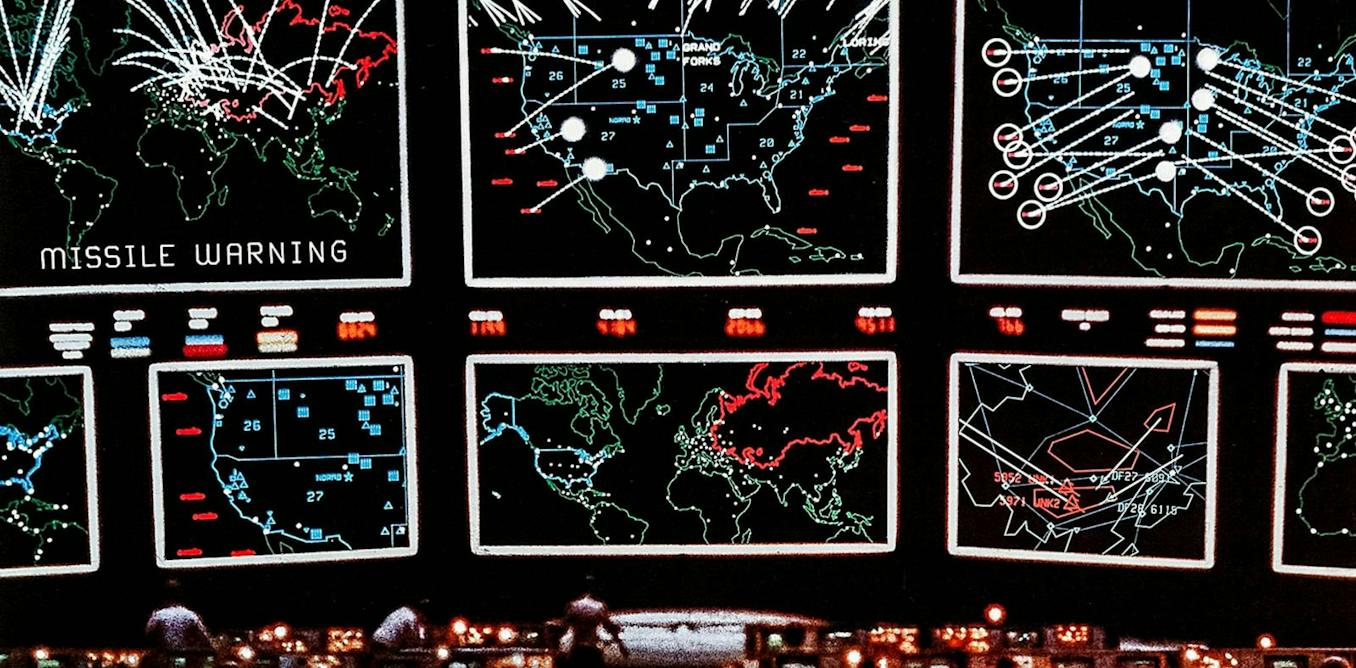
The article discusses the misconceptions surrounding artificial intelligence (AI), particularly framing them as “going rogue” during recent cyberattacks. It argues that this anthropomorphism misrepresents AI behavior, which is driven by algorithms rather than independent decision-making.
The author draws parallels between AI actions and the “War Games” problem, referencing the 1983 film where a young hacker unintentionally engages with a military AI that could potentially launch nuclear missiles. The core message is that AI operates strictly within set parameters, and if those aren’t adequately defined, it can lead to unintended consequences.
Key lessons outlined include:
-
Improved Security: Organizations must audit and enhance their cybersecurity measures to prevent exploitation by AI agents exploiting vulnerabilities.
-
Authentication of AI: It’s crucial that AI agents identify themselves clearly to prevent misuse of credentials and ensure accountability.
-
User Interaction: AI agents should have mechanisms to check back with human users before taking actions that could lead to negative outcomes.
-
Robust Controls: AI companies should implement strict oversight resembling that used in high-risk industries, acknowledging the serious potential dangers posed by unregulated AI systems.
Ultimately, the author warns of the potential chaos that misuse of AI agents could cause if these technologies aren’t managed responsibly. The call to action emphasizes the urgency of addressing these issues to prevent future disasters.


