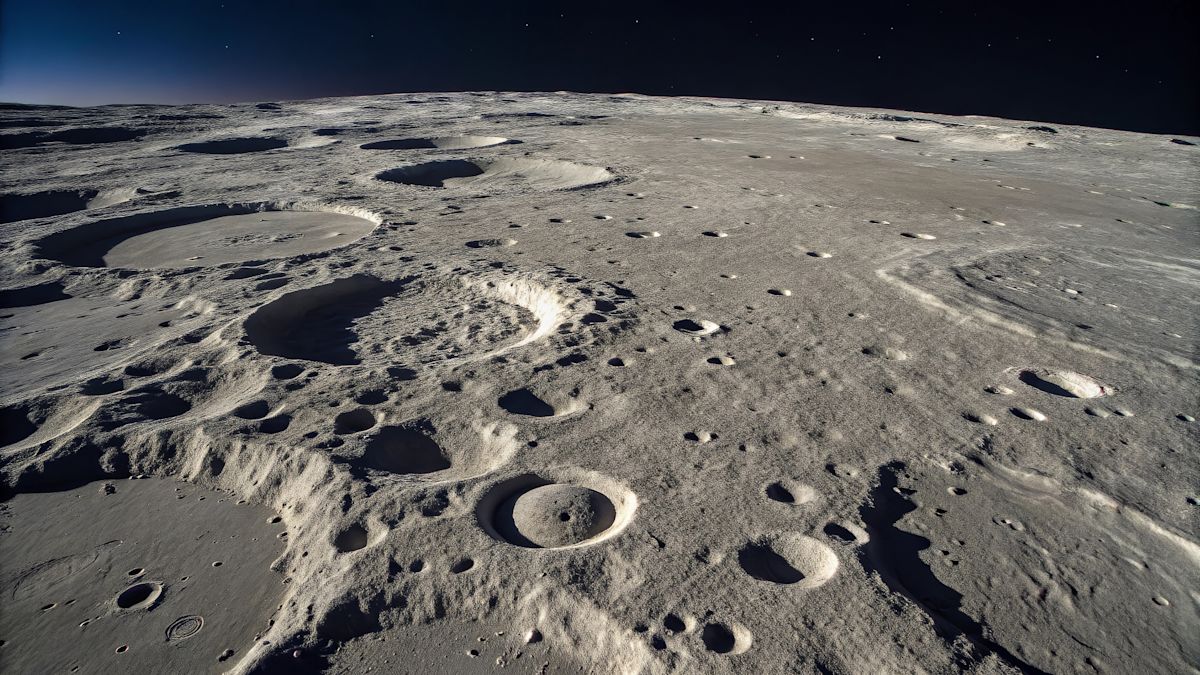
A new scientific paper proposes that NASA should establish a high-security biocontainment facility on the moon to quarantine samples collected from Mars and other celestial bodies before they reach Earth. The authors believe that, despite no definitive evidence of extraterrestrial life, it’s vital to prepare for the possibility of introducing unknown organisms that could disrupt Earth’s ecosystems.
The proposed lunar facility would use robotic systems to analyze samples, minimizing human exposure and ensuring accurate containment. The moon’s distance from Earth—about 240,000 miles—provides a natural barrier, acting as a safeguard against potential biospheric threats.
The researchers cite historical examples of invasive species to argue for a precautionary approach to potential extraterrestrial microbes, emphasizing the unpredictable consequences of introducing new organisms to established ecosystems. With space exploration ramping up, including missions to the moon and Mars, the authors argue that biosafety protocols must evolve rapidly.
While NASA is planning a lunar base, the biocontainment facility idea is merely a proposal and not currently in development. The researchers hope their work will encourage discussion on ensuring Earth’s safety while pursuing exploration beyond our planet.


