Aquamation, or alkaline hydrolysis, is becoming a popular choice for pet afterlife care, offering a gentler and more environmentally friendly alternative to traditional cremation. Unlike cremation, which involves flames and smoke, aquamation uses warm water and an alkaline solution, resulting in significantly lower energy consumption and zero greenhouse gas emissions.
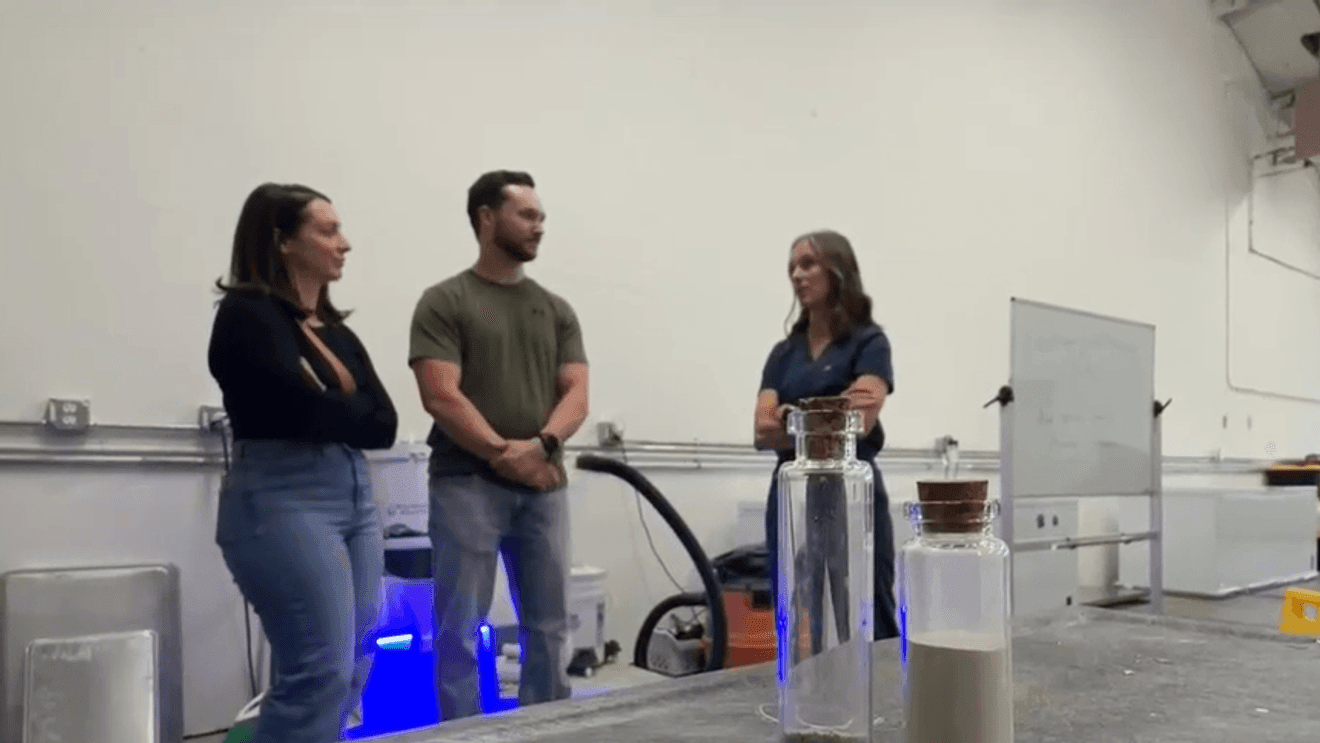
Lindsay McAllister, co-owner of Furevergreen Aquamation, highlighted that the process is not only eco-friendly but also returns water back into the wastewater system. Although aquamation has existed for over a century, its adoption is increasing in the U.S., particularly for pets. Furevergreen Aquamation provides individual and communal services, initiated from a desire to offer more compassionate care following euthanasia.
As seen in the case of Danica Reeves, whose husky recently passed away, many pet owners appreciate the environmental benefits and the personalized touch of a family-owned business. The process involves placing pets in specially designed chambers filled with warm water and an alkaline catalyst. The outcome is that only bones remain, which are then powdered and returned to the pet owners, who can choose various keepsake options.
Veterinary clinics in the region report growing interest in this gentle aftercare method, reflecting a shift toward more sustainable options in pet end-of-life care. While aquamation is slightly more expensive and takes longer than cremation, it resonates with those seeking thoughtful and eco-conscious farewells for their beloved pets.