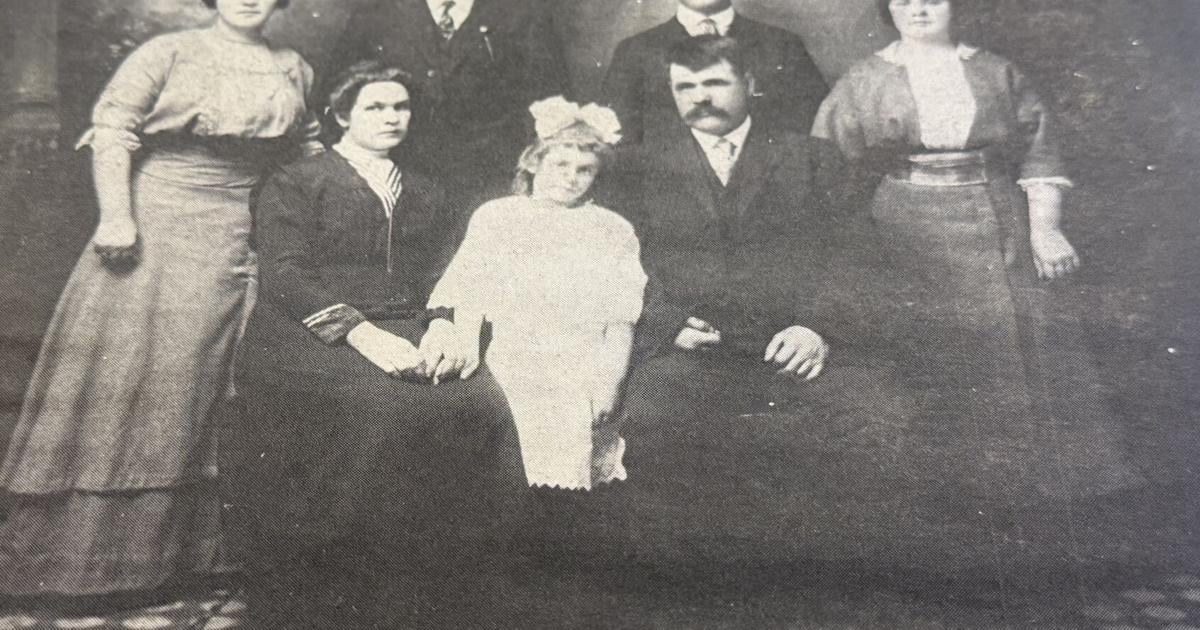
The Iron Range experienced significant transformations from the late 19th to the early 20th centuries. Initially characterized by unpaved streets, residents relied on local shoemakers for repairs. Towns like Buhl had limited amenities, including hotels and movie theaters, while Chisholm boasted its own theaters and a bowling alley. Social outlets included sports and community events like theater performances and band concerts.
Interviews with early residents offer insights into life during that era:
-
Mrs. Ann Colberg (Tower) remembered plays at the Tower Opera House and how teachers traveled by horse-drawn sleighs.
-
Mrs. Fred Nadeau (Bovey) noted the community’s strong baseball culture and limited housing options, with many men occasionally sleeping in saloons after work.
-
Matt Kayfes (Buhl) recounted the early days of local businesses and the demanding work schedules of miners.
-
Harry Levant (Eveleth) described the challenging living conditions, particularly the muddy streets, and his role in the city band.
-
Other accounts highlight various aspects of daily life, including challenges, recreational activities, and community spirit. For example, Mrs. Swan Johnson (Keewatin) spoke about the lack of amenities and the modest rental costs of homes provided by mining companies.
Overall, these interviews paint a vivid picture of a resilient community shaping its identity amidst the challenges of early industrial life.