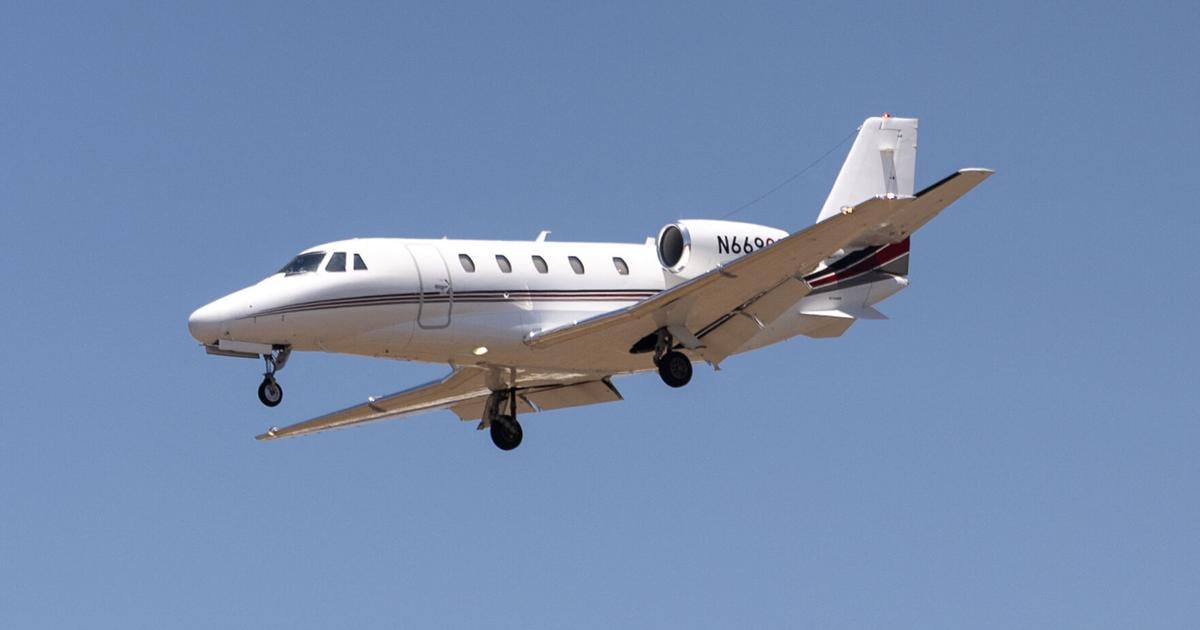
The article discusses the impact of private jets on climate change, highlighting the disparity between the emissions generated by a small number of wealthy individuals and the rest of the population. It emphasizes that private jet users, constituting only 0.003% of the global population, produce significantly higher greenhouse gas emissions compared to commercial airline passengers.
Key points include:
-
Environmental Cost: Private jets generate a disproportionate amount of emissions relative to their limited usage, contributing to climate change while offering little in terms of taxes or environmental accountability.
-
Inequality: The wealthiest individuals are responsible for a substantial share of greenhouse gases, while the poorest nations, which contribute minimally to emissions, suffer the most from climate impacts.
-
Subsidies and Taxation: The current tax structure favors private jet owners, allowing them to benefit from tax breaks and subsidies that do not align with their environmental footprint.
-
Need for Reform: Proposals include luxury taxes on private jets to better reflect their environmental impact and to reduce the financial burden of air travel regulations that primarily affect commercial passengers.
-
Free-Rider Problem: The article frames the use of private jets as a “free-rider” issue in economics, where the costs of environmental damage are not borne by those causing it.
Overall, the article advocates for a reevaluation of policy around private aviation to address these inequities and encourage more sustainable practices.