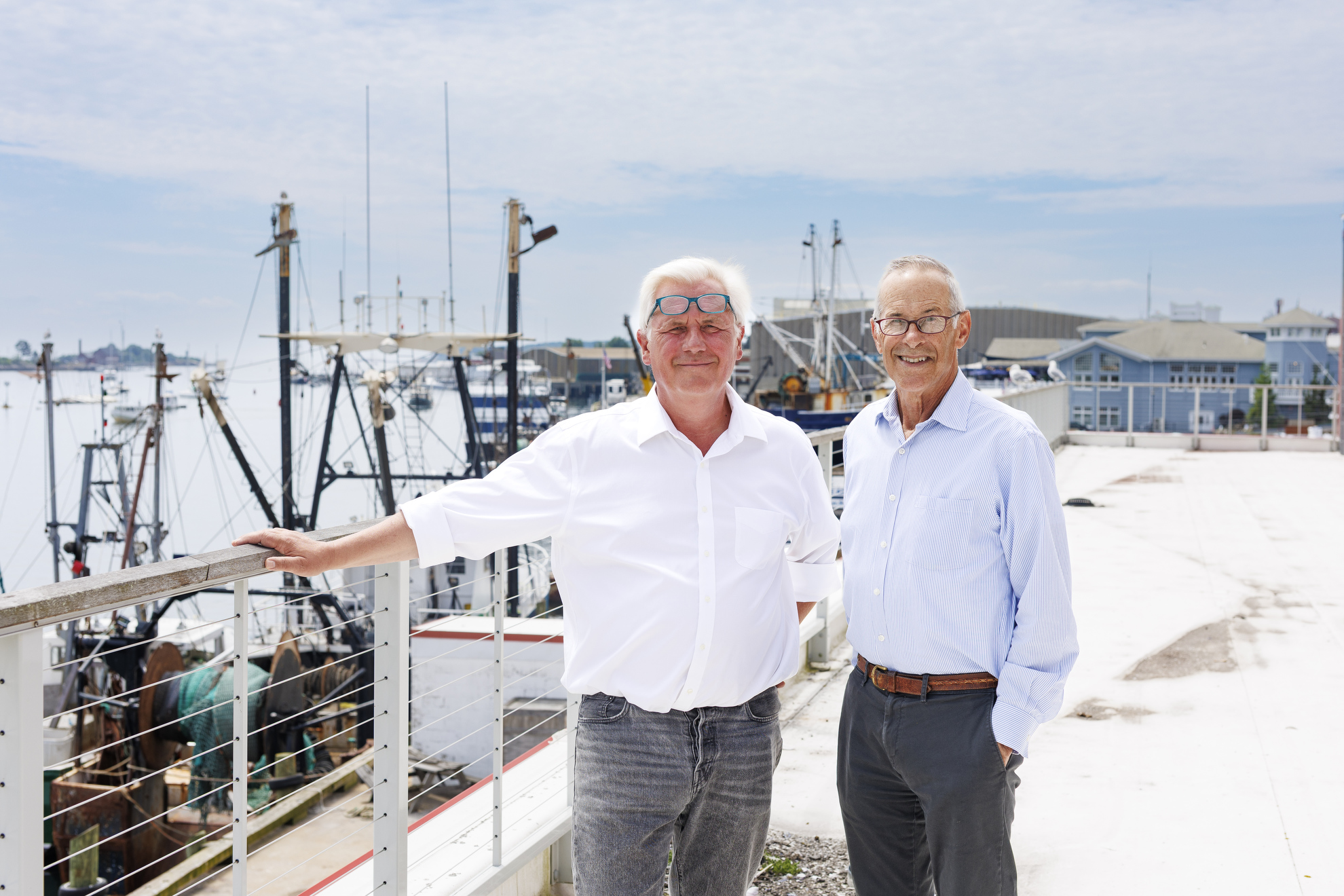
In 2012, Massachusetts state Rep. Ann-Margaret Ferrante proposed using genomic sequencing to help manage the declining Atlantic cod population off Gloucester, Massachusetts. Collaborating with David Walt, a then-professor at Tufts, they discovered genetically distinct spawning groups, aiding fisheries management.
This initiative laid the foundation for the Gloucester Marine Genomics Institute (GMGI), a nonprofit focused on supporting sustainable fisheries, exploring marine life for insights into human health, and training STEM technicians. The GMGI is heavily connected to Harvard, featuring founders and advisors from the university, including Greg Verdine and Marc Vidal.
Located in a repurposed eel processing plant, GMGI’s lab facilitates collaboration with local fishermen, who often bring specimens for study. The research includes examining the sea urchin genome for insights into aging.
Despite Gloucester’s rich fishing history, overfishing and global market changes have led to economic decline. The GMGI aims to revitalize the community through initiatives like the Gloucester Biotechnology Academy, which trains locals for careers in laboratory science.
Researchers at GMGI, like Stephen Treaster, are studying marine longevity, focusing on creatures like the long-lived ocean quahog and the short-lived dwarf goby. They also utilize environmental DNA (eDNA) to assess marine populations, further assisting fisheries management.
While the road ahead for Gloucester’s fishing industry remains challenging, the GMGI and its initiatives strive to create a science-driven community dedicated to marine sustainability and innovation.


