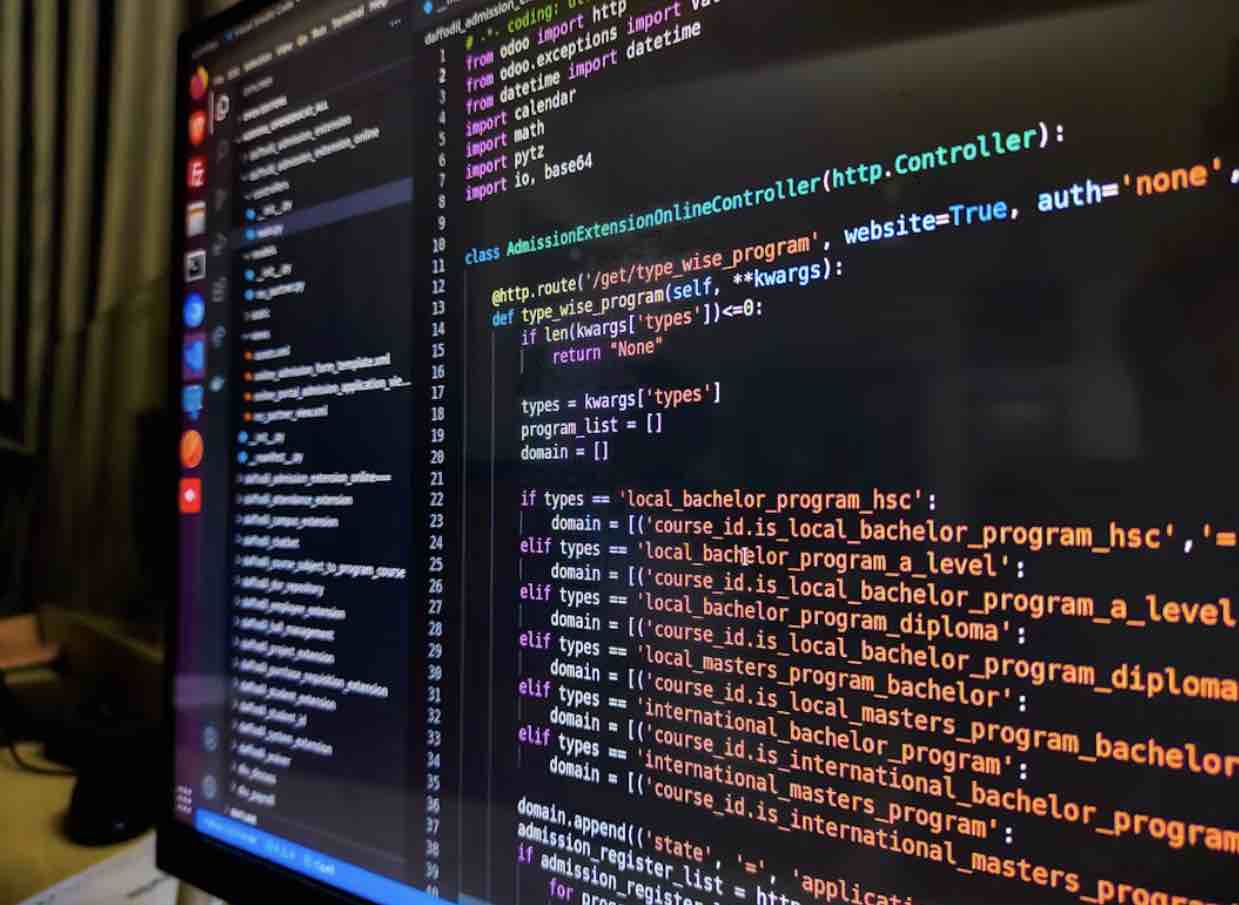
The evolution of computer science education has been remarkable over the past few decades, reflecting the rapid advancements in technology. Here’s a summary of key developments:
Computer Science in the 1970s-2000s
-
Low-Level Languages and Syntax: Earlier programming involved low-level languages that communicated directly with hardware. Education focused on syntax rules and memorization, which has shifted to abstract problem-solving and system design.
-
Assembly Language: This language served as a bridge between software and hardware, but its teaching is now limited to specific areas like operating systems and embedded systems. Modern programming often abstracts away from direct hardware interaction.
-
Manual Debugging: Early programmers faced the arduous task of tracing code errors manually. Today, automated debugging tools greatly simplify this process.
Computer Science Today and the Future
-
AI-Assisted Coding: AI tools now aid in coding by suggesting code, detecting bugs, and completing code more efficiently, significantly speeding up development.
-
Code Review: Education is now emphasizing the review of existing code, especially AI-generated code, focusing on evaluation, debugging, and ensuring security.
-
Specializations: The demand has shifted from general coding skills to specialized fields, such as cybersecurity, robotics, AI, and data science.
Conclusion
Computer science education has transformed from a focus on manual code writing and low-level languages to embracing AI, automation, and specialized fields. Aspiring students should explore these emerging trends to stay relevant in this evolving industry.


