Key Takeaways:
-
Influencing Climate Patterns:
- The climate in the American Southwest is significantly influenced by the El Niño–Southern Oscillation and the Pacific Decadal Oscillation (PDO).
-
Impact of Climate Change:
- Contrary to previous beliefs that the PDO was cyclical, new studies suggest that anthropogenic climate change could “lock” the PDO in a negative phase, leading to prolonged dryness in the region.
-
El Niño and Future Projections:
- If the upcoming “very strong” El Niño materializes, it could potentially shift the PDO into a positive phase. However, experts caution that the region’s long-term trend is towards aridification.
Recent Observations:
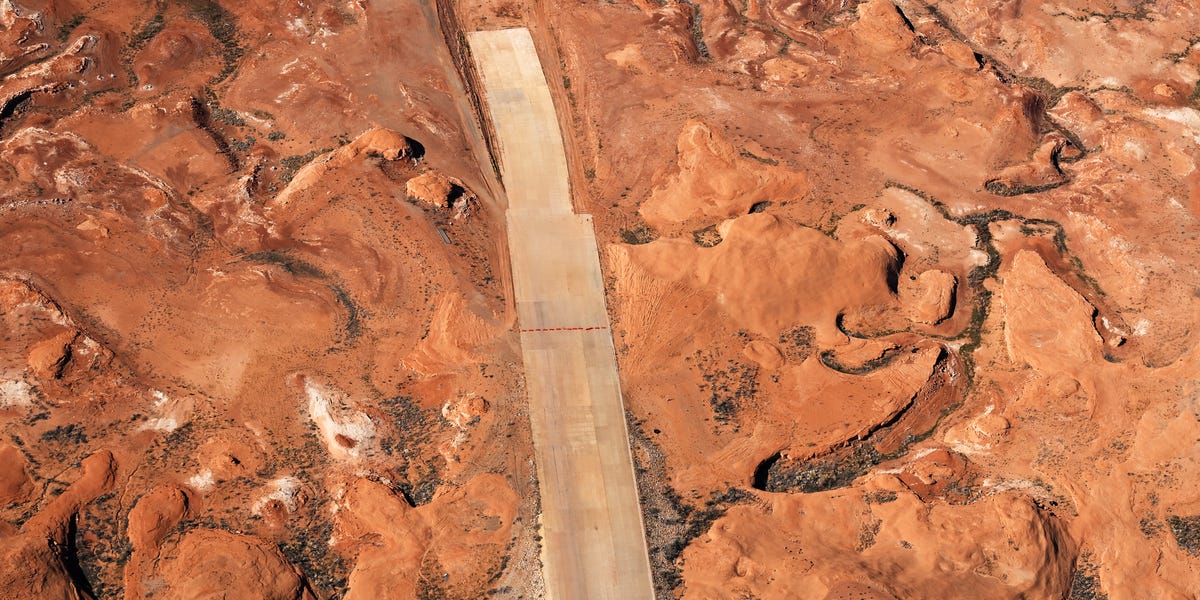
- Satellite imagery reveals the effects of a 25-year megadrought in the southwestern U.S., showcasing drastically reduced water levels in Lake Powell, now at a record low.
Climate Mechanisms:
- The El Niño/La Niña cycles alternate between wet and dry conditions, while the PDO influences long-term weather patterns, causing shifts every couple of decades.
Historical Context:
- The wettest period in the Southwest occurred during a warm PDO phase in the 1980s. Since then, the area has suffered from a lack of moisture, leading to drought conditions.
Human Influence:
- Recent studies indicate that industrial emissions played a role in alternating the PDO’s state, suggesting ongoing human activities may prolong the negative phase.
Future Outlook:
- Despite hopes for wetter conditions due to the expected El Niño, significant challenges remain for reversing the megadrought or providing relief in water shortages, as the region becomes increasingly arid.
Conclusion:
- Ongoing climate trends indicate that the American Southwest is facing severe challenges due to both natural cycles and human-induced climate change, highlighting the need for adaptive strategies in water management.


