The Race for Reusable Rockets: China’s Ambitions and Challenges
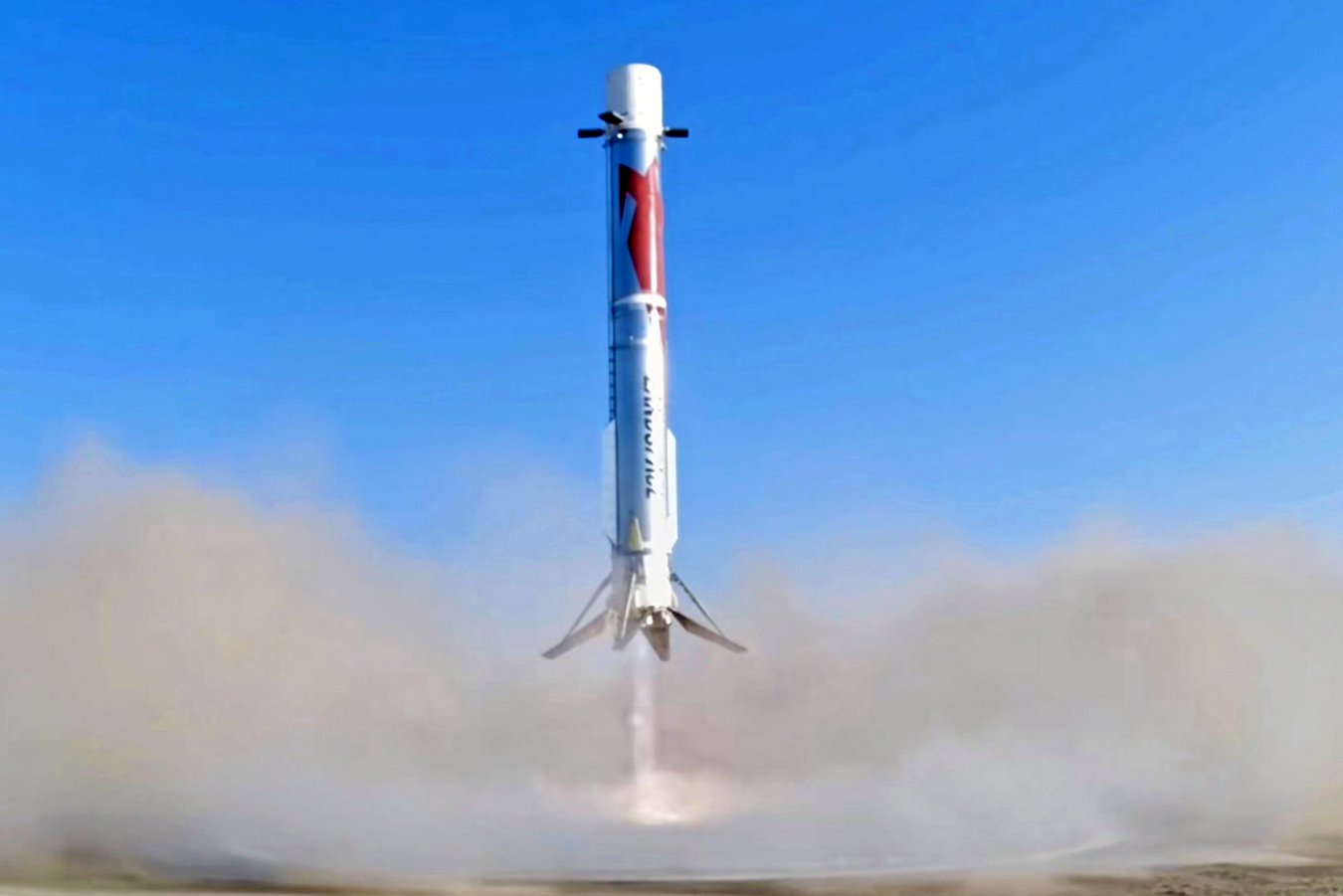
Last month, LandSpace, China’s commercial rival to SpaceX, successfully launched the Zhuque-3 rocket and landed its booster stage on land, marking a significant milestone in China’s space endeavors. Despite this achievement, the country has yet to use a booster more than once, a feat SpaceX has accomplished routinely. The question remains: can China catch up in the reusable rocket race?
China’s 15th Five-Year Plan outlines ambitious goals to become a leading space power by 2030, including the development of reusable rockets. These technologies are crucial for launching Chinese astronauts to the moon and creating an alternative to Starlink.
Geopolitical Importance of Space
Zeno Leoni from King’s College London emphasizes that nations require independent capabilities to launch payloads into orbit to avoid being left behind. The current geopolitical climate—marked by tension and competition—renders these advancements crucial. Leoni notes that Chinese President Xi Jinping views technological leadership as synonymous with geopolitical supremacy. This includes ambitions in artificial intelligence, quantum technology, and space exploration, with the challenge being to dominate all these fields.
Economic Considerations
Kevin Sagis from the University of Texas highlights that reusable rockets are economically advantageous. The costs associated with throwing away rockets after each launch are unsustainable. He compares the current reusable rocket race with the Cold War space race, pointing out that China possesses some of the same advantages previously held by the Soviet Union, such as centralized control over resources and a consistent long-term vision.
Risk and Innovation
While SpaceX’s approach is often characterized as a fast-moving, risk-taking venture reminiscent of Silicon Valley, Sagis insists that both SpaceX and the U.S. government should learn from historical precedents. Continuous support and funding during setbacks are crucial for long-term success in advanced space travel.
China, too, is characterized by its tolerance for risk, which might enable bolder pursuits in space exploration—something that could allow it to advance in capabilities without the same scrutiny seen in democracies.
Technological Gaps and Future Opportunities
Experts like Chris Ellis at the University of Nottingham suggest that while China may be technologically lagging by about a decade, the road to achieving reusable rocket technology is not linear and consists of solving numerous intricate challenges concurrently. For example, China’s Zhuque-2 became the first methane-fueled rocket to reach orbit in 2023, a target not yet achieved by SpaceX.
However, SpaceX’s Starship encapsulates achievements that put it ahead. While the Zhuque-3 is smaller by comparison, it allows China to launch satellites for its Starlink-like internet constellation, highlighting the competitive edge in rapid military and civilian satellite deployment.
The Opacity of Chinese Progress
Ellis notes that China’s limited transparency regarding its progress can distort international perceptions. In a landscape characterized by national security interests, both Chinese firms and SpaceX are likely to scrutinize each other’s failures and successes closely, yet may choose to remain vague about setbacks and advancements.
Conclusion
As the space race intensifies, the costs, risks, and ambitions of nations like China and the U.S. shape an increasingly complex landscape. Both countries continue to innovate, but how they navigate the challenges of competition, geopolitical tensions, and collaboration will ultimately determine their success in this vital frontier of technology and exploration.


