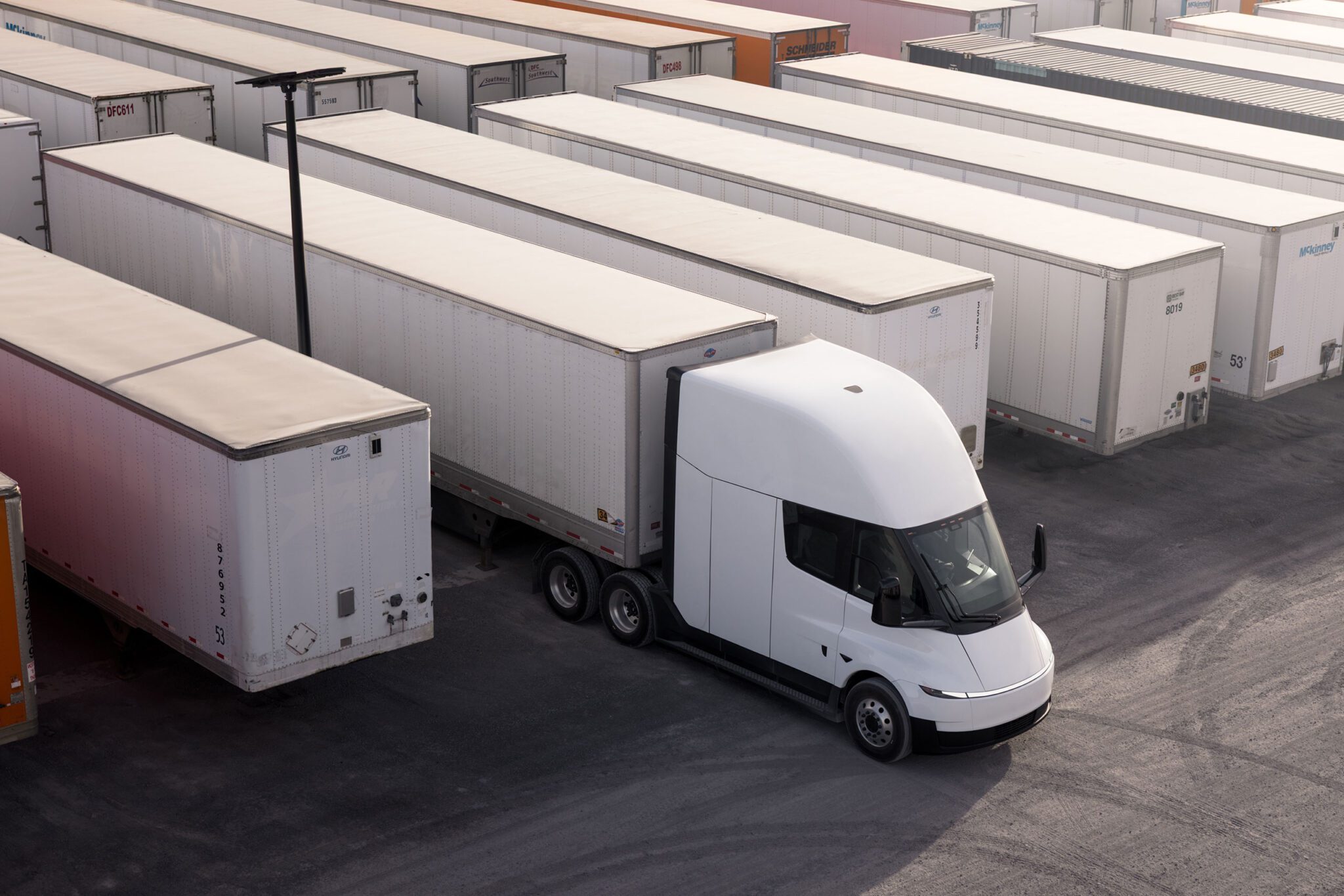
Tesla has finally begun delivering its long-awaited Semi electric truck, nearly nine years after its initial reveal by Elon Musk in 2017. The dedicated production facility in Sparks, Nevada, which has an annual capacity of 50,000 trucks, has reported delivery estimates for 2026 sitting between 5,000 and 15,000 units, considerably lower than its potential.
Despite a significant price increase for the 500-mile Long Range version—now quoted at approximately $290,000 compared to earlier estimates of $150,000 to $180,000—Tesla’s offering remains more affordable than comparable Western electric trucks. The Semi comes in two configurations, with a Standard Range of 325 miles and a Long Range of 500 miles, both powered by an advanced 800kW three-motor drivetrain.
Notable customers include PepsiCo, DHL, US Foods, and others, with PepsiCo actively using Semis for regional service since late 2022. The production model features Tesla’s latest 4680 battery cells and has made strides in range efficiency, achieving around 1,700 Wh per mile.
Improvements in design include a lighter drivetrain and upgraded steering systems, while the charging infrastructure, although a critical factor, aims for rapid charging capabilities through Tesla’s Megacharger stations. As diesel prices soar, the financial viability of the Semi becomes increasingly appealing, but its success in the market remains contingent upon Tesla meeting its production targets—a challenge the company has faced in the past.

