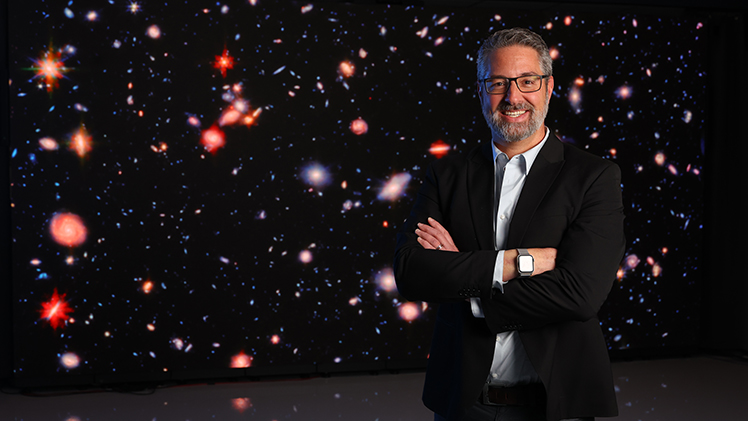
Upcoming Observations from the PRIMA Space Observatory
A new observatory, the Probe far-Infrared Mission for Astrophysics (PRIMA), is advancing towards development, aiming to offer unprecedented insights into our cosmos. Dr. J.D. Smith, a notable astronomer and director at The University of Toledo’s Ritter Astrophysical Research Center, played a significant role in its progression.
Key Details About PRIMA
- Mission Overview: PRIMA features a 5.9-foot telescope designed to observe in far-infrared wavelengths, bridging gaps left by current telescopes like the James Webb Space Telescope.
- Funding & Timeline: NASA announced a preliminary design stage for PRIMA on September 23, 2026, with an anticipated budget of $1.2 billion and a launch scheduled for 2033.
- Scientific Goals: The mission aims to explore:
- The origins of planetary atmospheres
- The relationships between stars and black holes
- The accumulation of interstellar dust and metals in galaxies over time
Insights from Dr. J.D. Smith
Dr. Smith emphasizes the mission’s potential:
“This is the coolest thing I’ve done in my career… PRIMA is going to change our understanding of how galaxies and planets formed.”
He co-led a key program within a team of 25 astronomers that examined the rise of heavy elements. Their extensive work culminated in a presentation at NASA’s Jet Propulsion Laboratory, showcasing the scientific potential of PRIMA.
Opportunities for Researchers
PRIMA will foster a general observer program, encouraging astronomers to submit competitive proposals for observation time. Dr. Smith expects this will provide numerous opportunities for researchers at UToledo’s Ritter Astrophysical Research Center, bolstering their ongoing explorations into galaxy evolution.
As the mission progresses, both established astronomers and students will likely have the chance to engage with PRIMA, promising new discoveries in the field of astrophysics.


