Hidden Geological Processes Beneath Italy
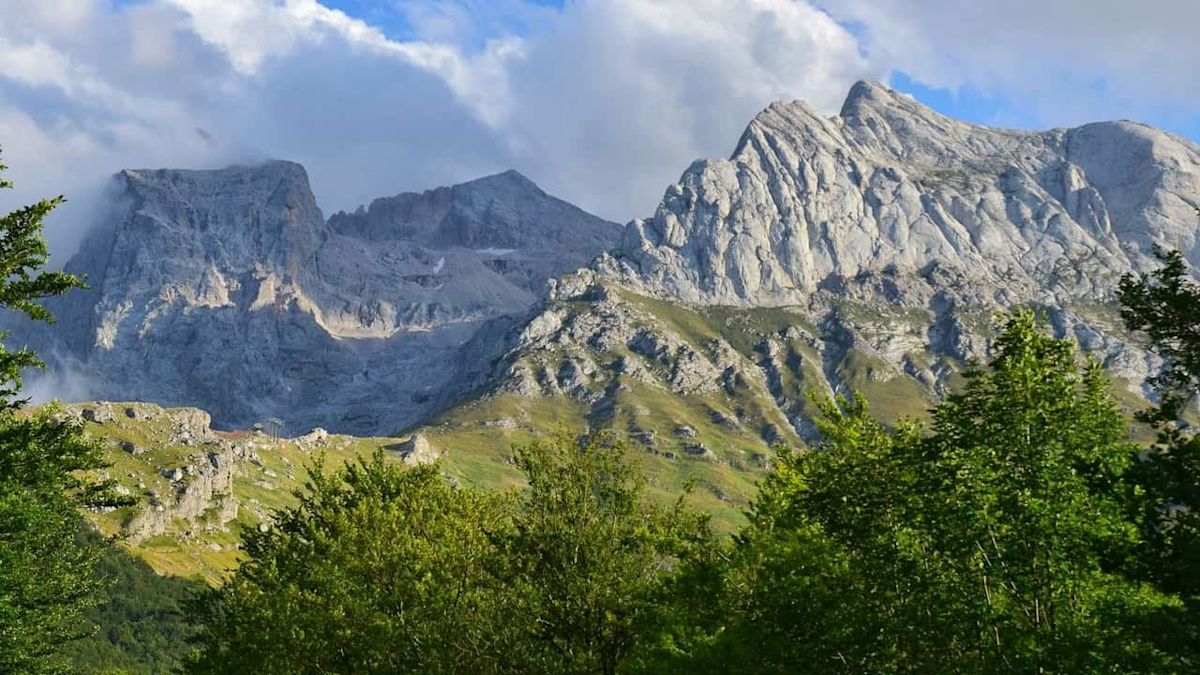
A fascinating geological phenomenon is currently unfolding beneath Italy, specifically beneath the Apennine Mountains. Here, a unique process known as delamination appears to be causing a section of Earth’s crust to peel away and sink into the mantle. This discovery sheds light on the seismic activities prevalent in the region and may revolutionize how scientists understand these geological dynamics.
The Apennines and their Geological Complexity
The Apennine Mountains stretch down the Italian peninsula and are a critical area for studying geological processes like subduction—the movement of one tectonic plate beneath another. Researchers, led by Stefano Tavani from the University of Florence, have found that the tectonic activity in this area is influenced by delamination rather than traditional subduction.
Tavani explains, “We are experiencing the very, very late-stage to the subduction,” indicating that the forces above are affected by this unzipping process rather than just classic plate movements.
The Tectonic Landscape of Italy
Italy is encircled by several smaller tectonic plates and mountain ranges, resulting in a highly dynamic geological landscape. The movements primarily stem from the African plate pushing northward toward Eurasia. Over millions of years, this collision has compressed the crust and pulled parts of it downward, sculpting the rugged terrains of the Apennines.
The ongoing tectonic shifts have also contributed to the formation of significant geographical features like:
- The Tyrrhenian Sea — a younger basin formed about 10 million years ago.
- An older basin located west of Corsica and Sardinia.
Despite understanding these processes, the drivers behind the stretching and compression in the region remained elusive until now.
Unveiling Delamination
In their recent study published in Communications Earth & Environment, Tavani and his team investigated the geological forces at play using a combination of earthquake recordings and satellite-based ground movement measurements. Their results revealed that the crust beneath the Apennines is, in fact, peeling away and descending into the mantle—a process termed delamination.
This discovery suggests that the seismic activity in the Apennines is largely due to this unique crustal fallout, which supersedes traditional plate subduction mechanisms.
Future Geological Evolution
While the delamination process is currently underway, it is not expected to be permanent. In a few million years, the lower crust will likely fully detach and sink into the mantle. Following this, the tectonic plates may merge, indicating a new stage in the geological evolution of the region.
Interestingly, similar delamination processes may be occurring elsewhere, such as in the Hellenic trench south of Greece, suggesting that this phenomenon is more widespread than previously thought.
For scientists, studying the unraveling systems beneath Italy offers unprecedented insights into the tail end of subduction phenomena, highlighting how the Earth’s crust continues to reform even as its tectonic processes evolve.
For further reading, you can check the articles on Live Science and Communications Earth & Environment.


