The Importance of Windows in Spacecraft
Seeing Beyond Glass
As human space travel evolves, the demand for effective windows in spacecraft grows. Whether journeying to low Earth orbit or far beyond, space travelers need clear views of the universe.
Historical Context
The history of space travel is marked by limited visibility. Early missions, like the Mercury capsule launched for Alan Shepard, only offered small portholes. Similarly, Yuri Gagarin, the first human in space, had limited visual access. Surprisingly, the effects of microgravity on vision were unknown, highlighting the engineering challenges of creating safe and functional windows.
The View from Space
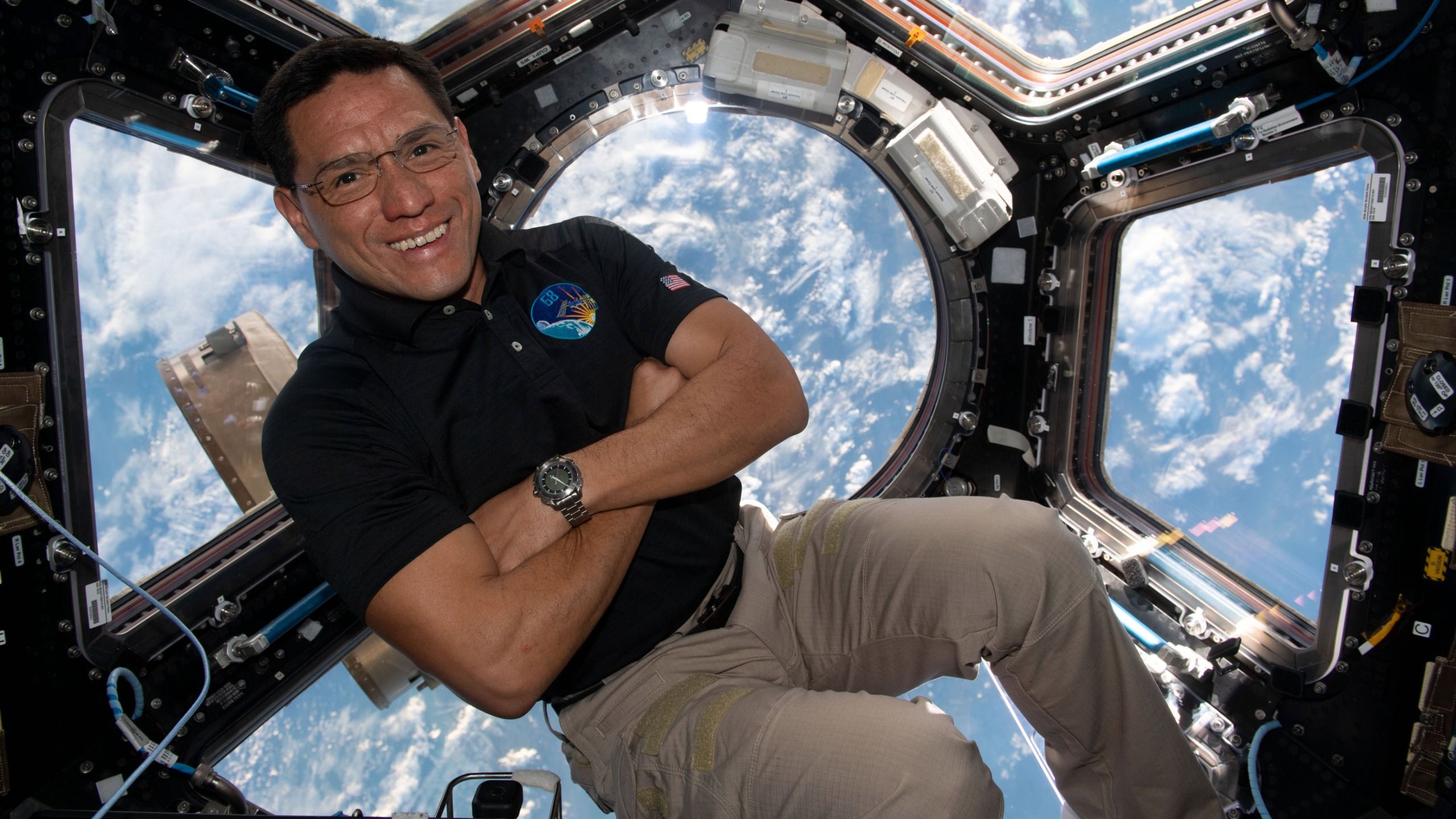
Frank White, author of “The Overview Effect,” emphasizes the transformative experience of observing Earth from space. He notes that advancements, such as the Cupola on the International Space Station (ISS), have enriched this experience. White believes such vantage points significantly enhance astronauts’ connection to our planet.
Commercial Ventures and Customer Experience
Modern companies like Virgin Galactic and Blue Origin prioritize view quality in their spacecraft, enabling tourists to experience the Overview Effect. This connection impacts their journey, encouraging deeper reflections about Earth and humanity.
Design and Technology Advances
Companies like SpaceX are innovating by incorporating larger windows in their spacecraft, enhancing passenger experience. The “cupola” in the Crew Dragon capsule notably improved visual engagement for astronauts, showcasing the importance of expansive views.
Human Comfort in Space
Windows serve a psychological function, with visibility into the vastness of space fostering a sense of connection. Samuel Coniglio IV, author of “Creature Comforts in Space,” highlights that windows allow astronauts to interact with the universe outside their confines, essential for mental well-being.
Safety and Engineering Challenges
NASA engineer Lynda Estes underscores the risks associated with glass windows, as they can shatter into dangerous shards. Therefore, the agency is shifting toward using acrylic materials for future designs, as they offer better structural integrity and safety.
In Conclusion
Windows in spacecraft are more than mere glass; they represent the human desire to connect with the cosmos. As technology advances, understanding their role in both experience and safety will shape the future of space exploration.


