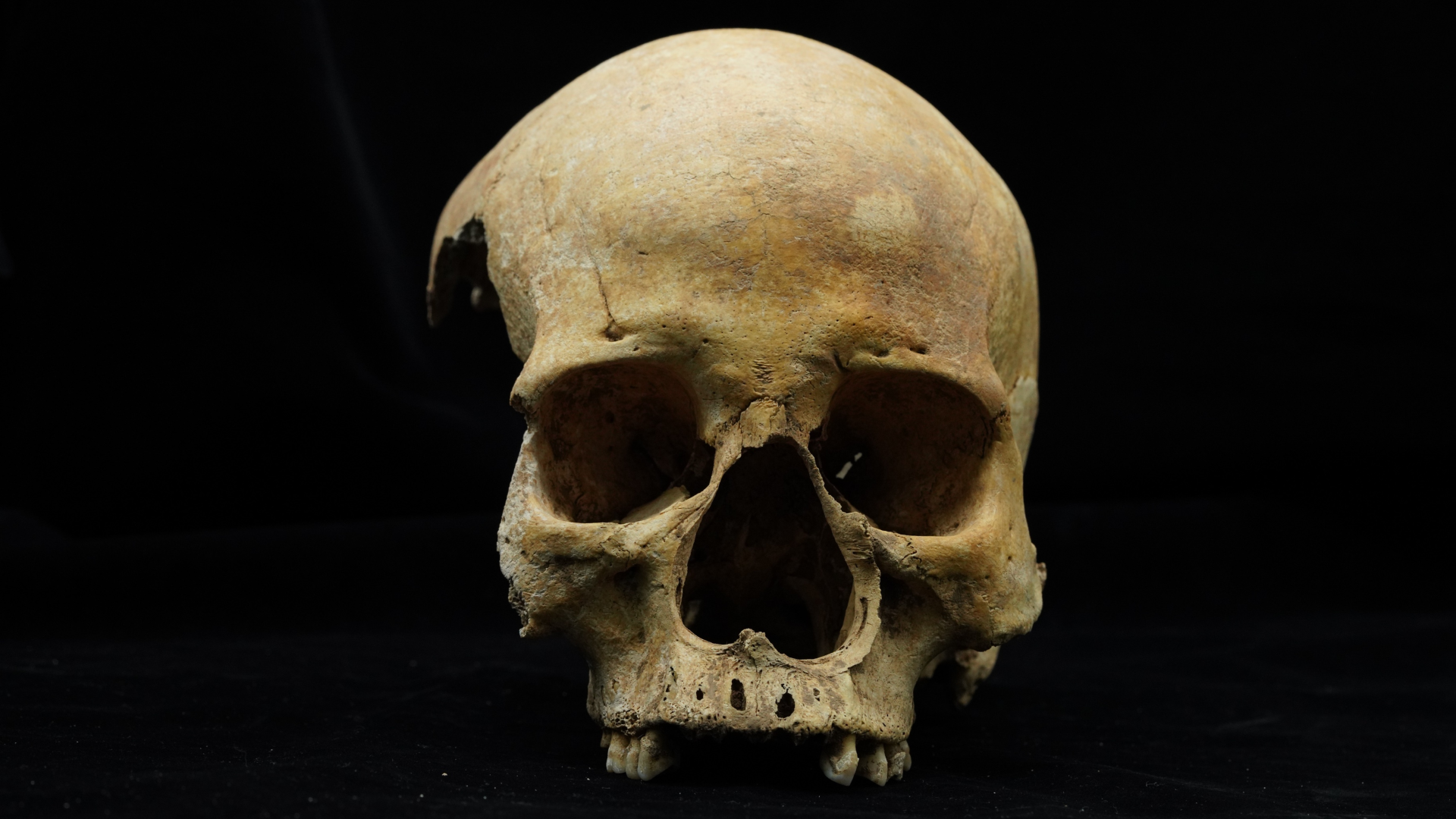
A remarkable discovery in a Chinese cemetery has unearthed the world’s first archaeological evidence of punitive nose amputation. The skull belongs to a middle-aged woman who likely faced this harsh punishment for crimes such as stealing or adultery. The burial practices, including her face-down position, suggest a discriminatory attitude towards her.
Found among 300 skeletons in the Sanzhiyuan cemetery in Henan province, this woman’s remains were buried with only a copper hairpin. Radiocarbon dating indicates she lived between 1298 and 1404, during the Yuan or early Ming dynasties.
Initially overlooked during a rapid excavation in 2019, the skull’s unique features were analyzed more thoroughly in 2024. Researchers observed that her nasal bones were partially amputated and showed signs of healing, indicating she survived for some time post-injury.
The study concludes this disfigurement was likely due to punitive measures rather than a medical condition or birth defect. Nasal amputation was recorded in ancient Chinese texts and was one of the “Five Punishments” prescribed during early dynastic eras, suggesting that various socio-economic factors could lead individuals to commit crimes like livestock theft.
This singular case opens avenues for further research into similar archaeological instances.


