The latest report by the Sierra Club reveals that major U.S. utilities are lagging in their transition from fossil fuels to clean energy. During the second Trump administration, over 40% have actually reverted on their climate commitments. Here are the key takeaways from the report:
-
Overall Performance: For the second consecutive year, 76 of the nation’s largest electric utilities received an F grade, showing a marked decline in progress compared to 2021.
-
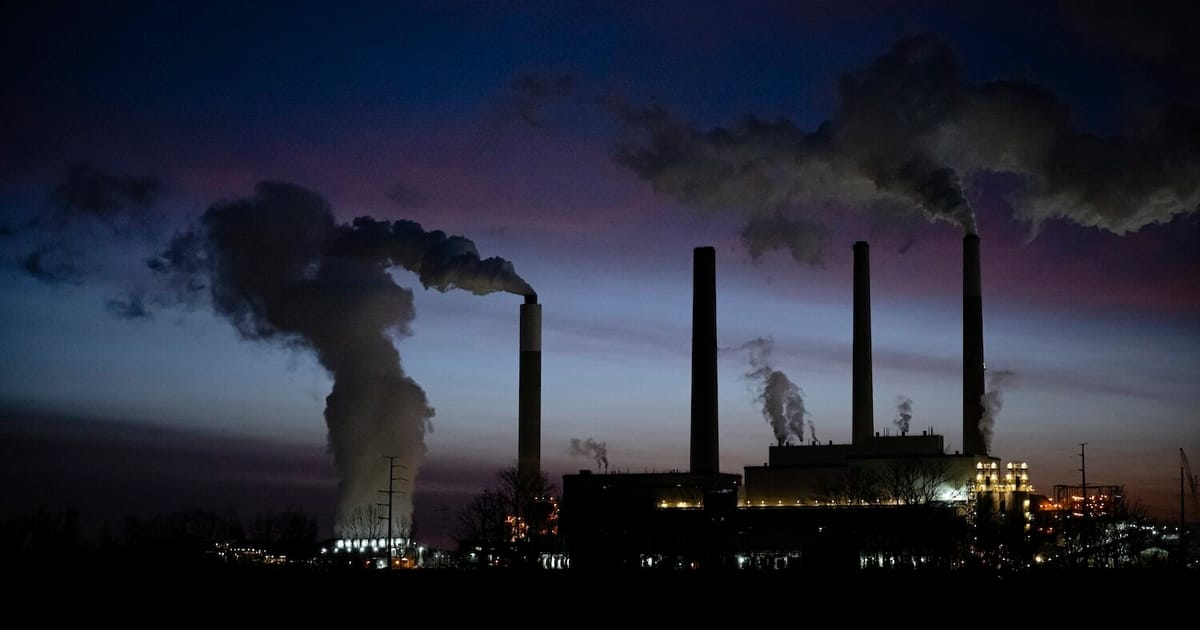
Fossil Fuel Dependence: More utilities are keeping coal plants operational despite their high environmental costs and are planning new fossil gas plants, particularly to support AI data centers.
-
Clean Energy Decline: This year marks the first instance in the report’s history where planned new clean energy initiatives decreased compared to previous years, mirroring the pro-fossil fuel policies from the Trump administration.
-
Financial Implications: Utilities are neglecting cheaper, quicker-to-deploy renewable energy options—like solar and wind—while their costs and customer bills continue to rise.
-
Future Risks: Emma Pabst from the Sierra Club highlights that the lack of effective planning poses risks such as increased extreme weather events and rising costs for families.
-
Current Goals: The report assessed utilities’ plans for 2026, specifically in terms of closing coal plants and investing in clean energy. Unfortunately, scores declined in all areas measured.
-
Coal Dependency: Utilities now plan to shut down only 25% of their coal capacity by the end of the decade, a drop from previous years.
In summary, the Sierra Club’s findings present a concerning picture of the U.S. electric utilities’ progress in addressing climate change through renewable energy investments.


