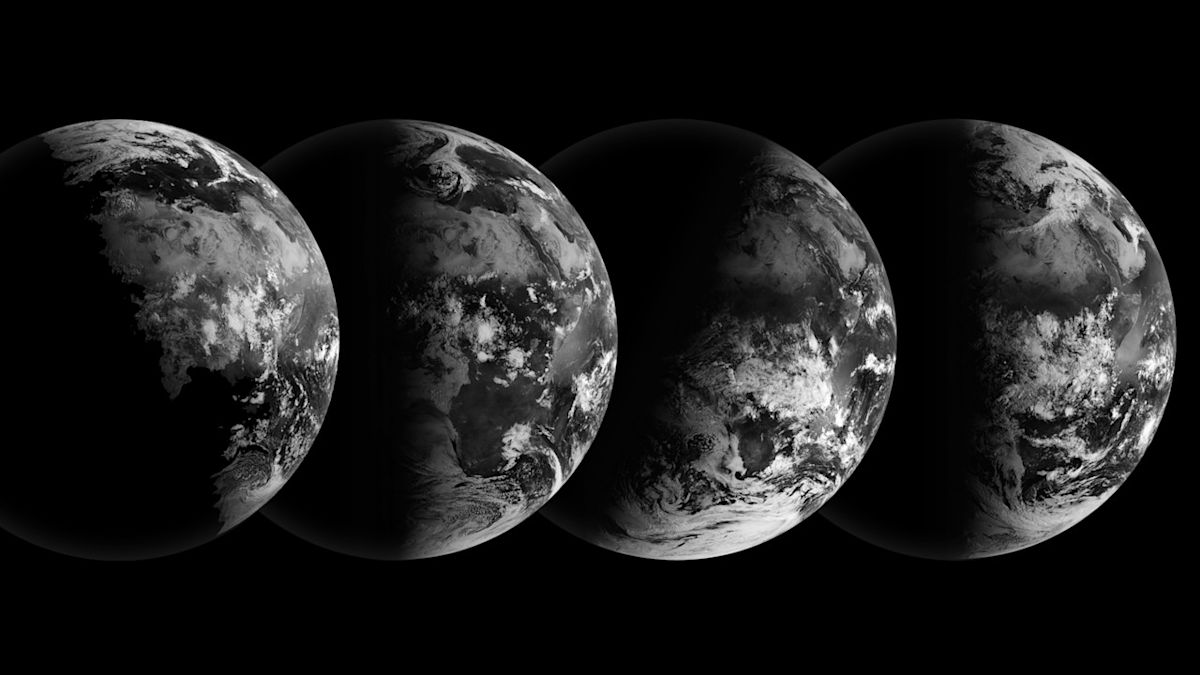
The Autumnal Equinox in the northern hemisphere occurs on September 22, 2026, marking the beginning of astronomical fall. This year’s equinox is notably late, the latest since 2023. While standing on Earth, everything seems normal; however, the planet is slightly off-kilter.
Earth’s axis is tilted at approximately 23.4 degrees, leading to different seasons as it orbits the Sun. This tilt is constant, with the North Pole aimed at Polaris. The effects of this tilt are most visible in the Sun’s path across the sky.
Key Facts About the Autumnal Equinox
- The equinox signifies a moment when day and night are approximately equal.
- The exact timing of equinoxes and solstices varies each year due to gravitational influences from the Moon and other planets.
Why the Late 2026 Equinox?
- Earth’s rotation and orbit are not perfectly synchronized with our calendar, which uses whole numbers for timekeeping. The year takes about 365.25 days to complete a full revolution around the Sun, which we account for with leap years.
- The equinox timing shifts about six hours later each regular year and advances each leap year.
Impact of Leap Years
- The 2026 equinox happens at 8:04 p.m. EDT; each leap year alters the timing, influencing the seasons’ progression.
- The 2028 equinox will return to earlier timing once again.
Myths Dispelled
- Egg Balancing: Contrary to popular belief, balancing an egg is possible year-round and not easier during the equinox.
- Day and Night Length: The actual days with equal daylight and nighttime do not fall exactly on the equinox.
- Shadows: Claims that one won’t cast a shadow at the equator during the equinox are misleading and depend on precise timing and location.
As the seasons change, fall also brings a season of meteor showers, enhancing our celestial experience. The science behind the equinoxes and seasons illustrates the intricate relationship between Earth’s movements and timekeeping.


