China Advances in Supersonic Passenger Aviation with TMS-10
The ambition to revive supersonic passenger air travel is not just limited to the United States; China is making significant strides with its TMS-10 aircraft. Recently, the TMS-10 entered final assembly and is set for its first test flight by the end of this year. Developed by Tianmushan Laboratory in collaboration with Beihang University, this full-scale aircraft represents a substantial leap from its 1:18-scale prototype tested in June 2025, which achieved speeds below Mach 0.2.
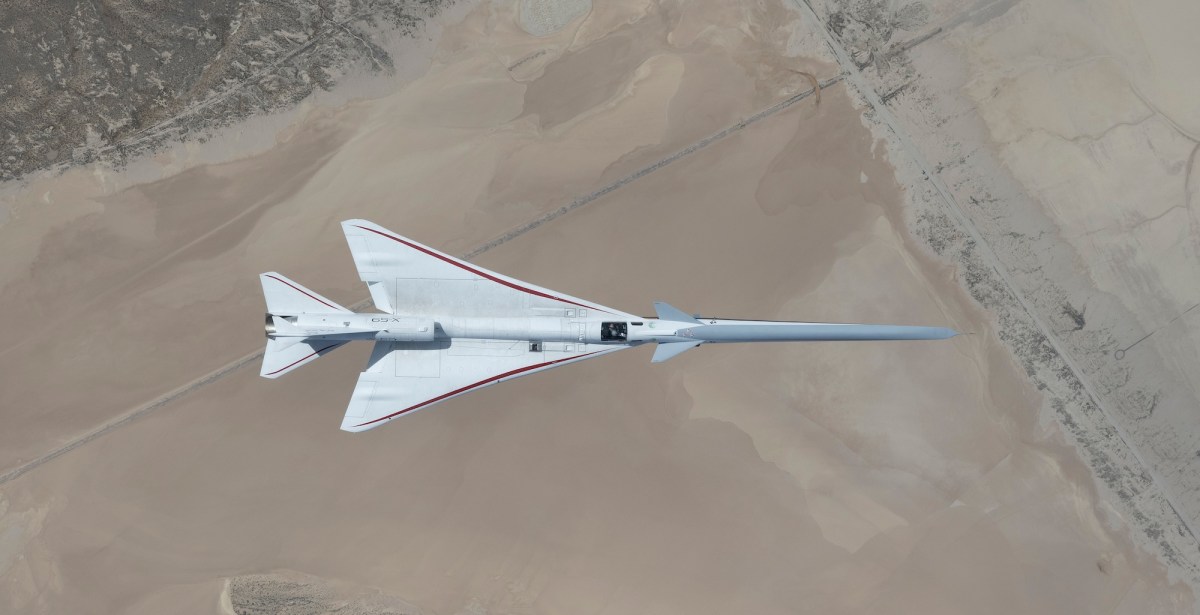
The TMS-10 aims to create a business-class airplane capable of seating 10–15 passengers. Unlike NASA’s X-59, which minimizes sonic booms to a quieter “bump,” the TMS-10 uses its canard forward wing and T-tail design to prevent shock waves from merging into a louder sound. It also incorporates rear features to further mitigate noise.
If successful, the TMS-10 could travel at speeds of Mach 2 (about 1,300 mph), significantly reducing flight times—potentially cutting the journey from Beijing to Shanghai from two hours to just 30 minutes.
However, the project still faces challenges. Engineers are finalizing the aircraft’s engine core, exhaust, and inlet systems and must conduct further tests with updated models to finalize the design. This puts China in a competitive position against the X-59, which achieved Mach 1.5 (990 mph) earlier this year at an altitude of 55,000 feet.
As the TMS-10 project progresses, it reflects a renewed global interest in high-speed aviation and the challenges that come with introducing such technology for everyday travel.