U.K. Air Traffic Disruption: Technical Issues Persist
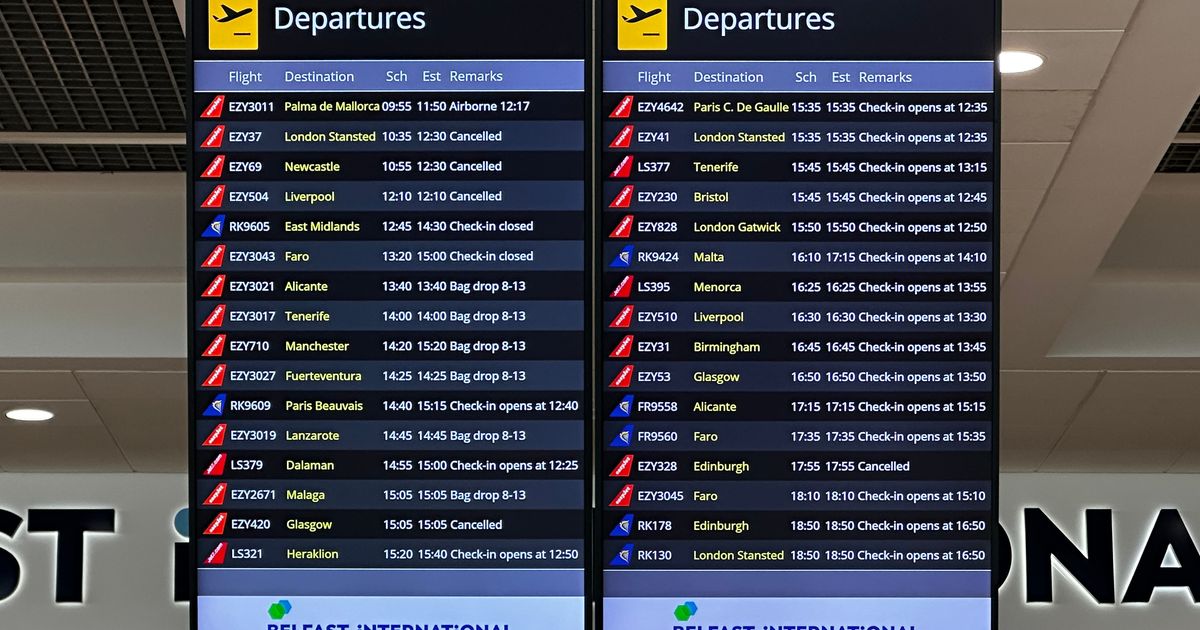
LONDON (AP) — A recent technical glitch at the U.K.’s national air traffic controller, NATS (formerly National Air Traffic Services), led to significant travel disruptions on Monday, marking the second such incident in two weeks. Although the issue at the Prestwick center in Scotland has been resolved, it has already caused the cancellation or delay of numerous flights in Scotland, Northern Ireland, and Northern England.
Flight Cancellations and Delays
As of now, over 200 flights scheduled to either depart from or arrive in the U.K. have been canceled, according to aviation analytics firm Cirium. NATS is coordinating with airports and airlines to restore normal operations as quickly as possible and has apologized for the inconvenience.
Impact on Travelers
Families have been particularly affected by the disruptions. Nikki Ferguson, who was traveling with her husband and daughters to Disneyland Paris, expressed distress over their canceled EasyJet flight from Glasgow. Rebooked for later in the day, they remain anxious about the uncertainty of their trip, especially since it had been a long-planned holiday.
Comparison to Previous Outage
NATS has clarified that the current issues are unrelated to a software defect that previously caused the cancellation of over 2,000 flights two weeks ago. Critics are calling for the resignation of NATS Chief Executive Martin Rolfe, citing repeated failures and inadequate backup systems.
Reaction from Airlines
Airlines such as Ryanair and EasyJet have voiced strong criticisms against NATS. Ryanair’s COO Neal McMahon demanded immediate accountability from Rolfe, stressing that continuous failures in the system warrant a change in leadership. British Airways also expressed disappointment over the disruptions, emphasizing the need for reliable operations.
Government Involvement
The U.K. government, owning 49% of NATS, holds significant influence over its operations. Transport Secretary Heidi Alexander acknowledged the frustration among passengers due to the recurring issues.
As operations begin to normalize, the focus will likely remain on improving the reliability of air traffic control systems to avoid further disruptions in the future.