The article explores the complexities of inclusion and politics in culture, focusing on instances where brands and public figures have faced backlash for their associations or statements related to sensitive political issues, particularly around the Israeli-Palestinian conflict.
-
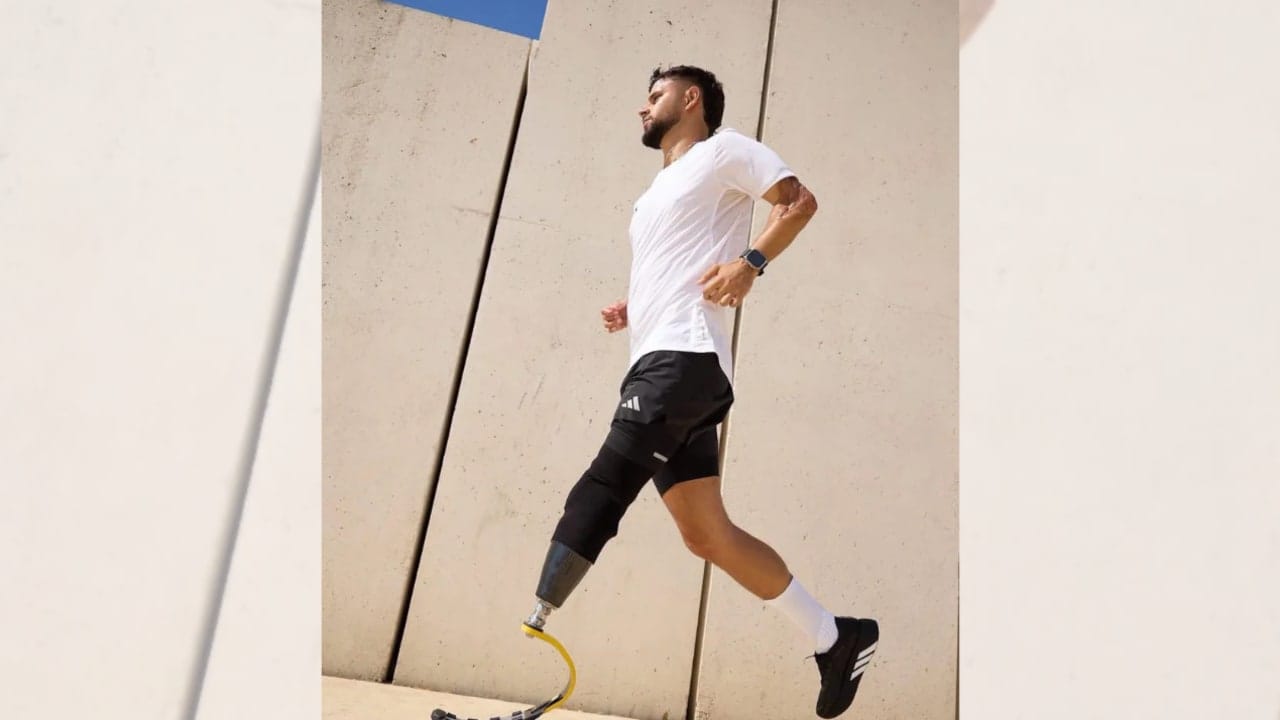
Adidas Campaign Backlash: Adidas faced criticism for featuring Israeli amputee Shalev Biton in a campaign aimed at promoting accessibility for amputees. This initiative was perceived as a “political provocation” due to Biton’s identity, leading to Adidas’s apology.
-
Celebrity Involvement: Actor Javier Bardem amplified the controversy by framing Biton’s inclusion in negative terms. The article critiques this as a failure to differentiate between individuals and the political contexts of their identities.
-
Corporate Inclusivity and Pressure: The article argues that while companies are not required to adopt diversity, equity, and inclusion (DEI) policies, once they do, they must apply these principles consistently without yielding to external pressures, such as those from the Boycott, Divestment and Sanctions (BDS) movement.
-
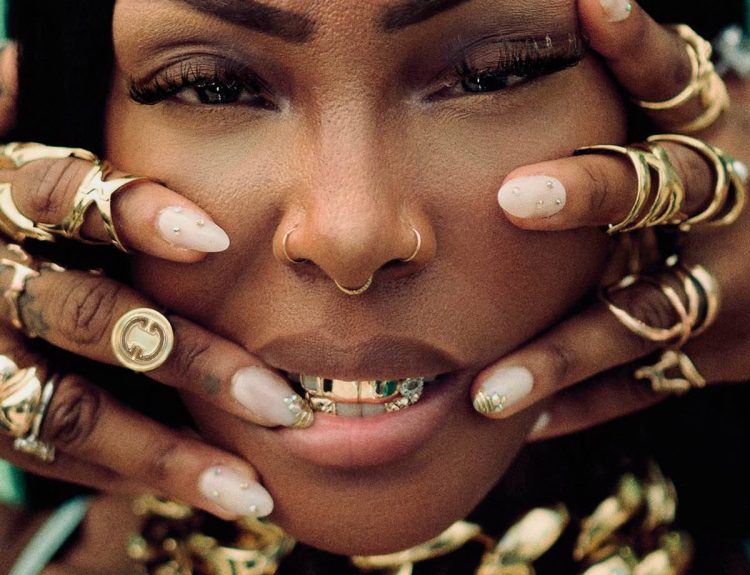
Performance Politics: The case of rapper Macklemore is examined, who used his concert platform to make political statements about Palestine. The criticism stemmed from his lack of acknowledgment of other perspectives or events happening concurrently, leading to his eventual removal from the tour.
-
Censorship vs. Responsibility: The article calls for a balance where Palestinian dignity is defended without undermining Israeli humanity. It argues for a principled approach to inclusivity that does not cave to pressure to exclude certain individuals based on identities or nationalities.
-
Susan Sarandon’s Claims: Actress Susan Sarandon discussed feeling “blacklisted” in Hollywood, attributing this to “Zionist” control in the industry. The article critiques her narrative as a mischaracterization of the consequences of her past remarks.
-
Conclusion: The writer stresses that true inclusivity demands courage; it should not discard certain identities at the expense of political convenience. The article calls for a more nuanced understanding of political speech and the responsibilities that come with it.
Overall, the piece suggests that the relationship between culture, politics, and identity is fraught with challenges, and advocates for a more principled stance on inclusion that recognizes the complexities of individual experiences.