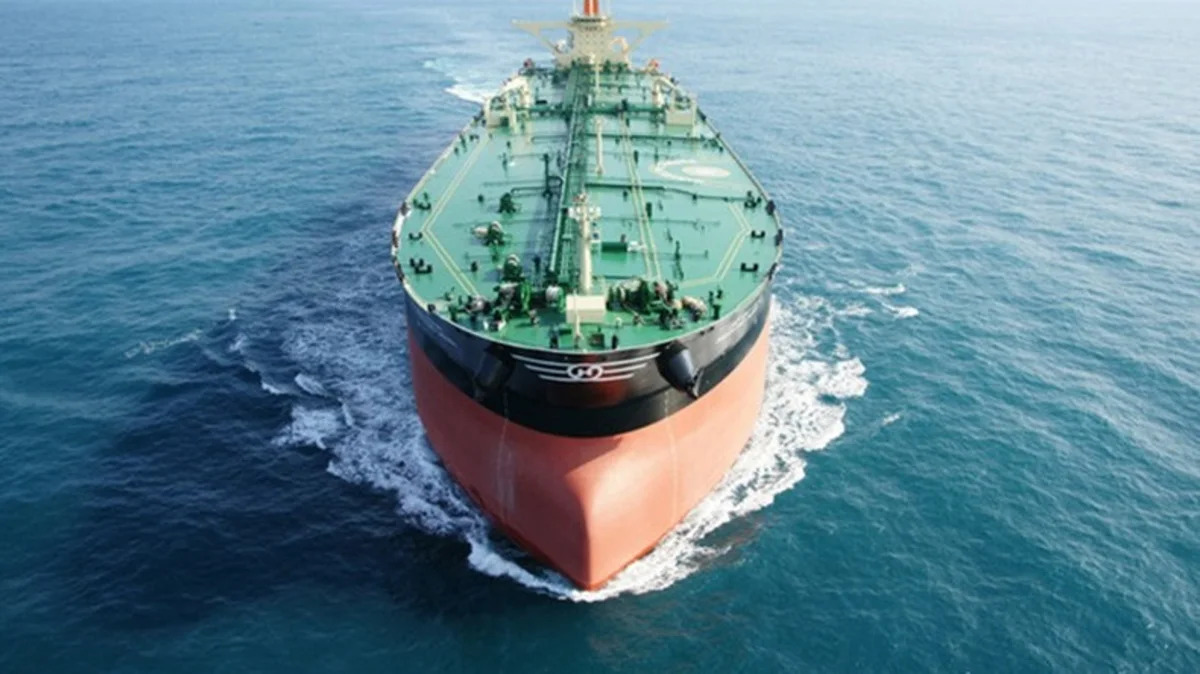
The current landscape of global maritime and energy markets reveals a significant intertwining of developments. Notably, Abu Dhabi’s ADNOC investment arm, XRG, is eyeing a potential acquisition of up to 50% of Energos Infrastructure, a floating-LNG company valued at approximately $3 billion. This interest comes alongside a surge in VLCC (Very Large Crude Carrier) orders for 2026, marking the highest levels seen in 25 years, highlighting strategic movements in both gas infrastructure and crude transportation.
These two developments are not isolated; they signal a broader strategic reality influenced by geopolitical fragmentation and the need for enhanced energy security. Stakeholders are increasingly concerned about supply stability and resilience, as both gas and crude markets adapt to disruptions.
While the energy transition remains a focus, immediate investments are often driven by the necessity of security of supply. XRG’s potential acquisition of Energos would offer a strategic advantage, providing access to vital floating LNG assets that facilitate rapid deployment and operational flexibility—elements critical for navigating a changing geopolitical landscape.
On the container side, shipowners are betting on the need for additional shipping capacity, committing capital to a large wave of VLCC orders, potentially jeopardizing long-term freight rates if demand does not grow to meet the influx of available capacity. These moves come against the backdrop of disrupted maritime routes and changing demands from key global markets.
Ultimately, both the LNG and crude oil sectors are seeing a recalibration of strategies aimed at ensuring energy sovereignty, demonstrating that control over maritime systems is now seen as integral to securing stable energy flows globally. With ADNOC’s integrated approach to acquiring assets across the energy supply chain, a reinforced logistics framework is emerging, underscoring the trend towards vertical integration in an era of heightened uncertainty.


